
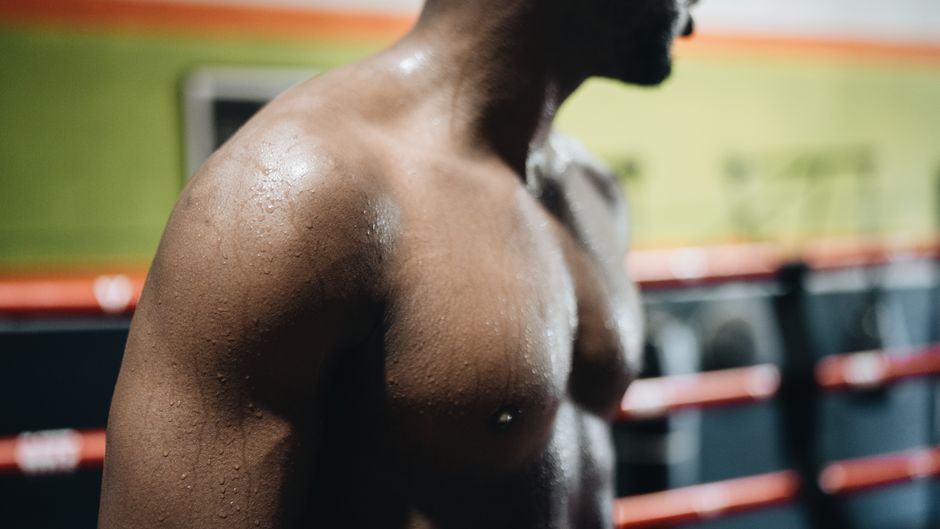
Sweating is your body’s natural cooling system, not a fat-burning mechanism. When you step on the scale after a heavy sweat session and see a lower number, that is water weight you lost, not fat. The weight loss from sweating is temporary and returns as soon as you rehydrate. Real, lasting weight loss requires a calorie deficit, where you burn more calories than you consume, regardless of how much you perspire.
What Actually Happens When You Sweat?
Sweat is mostly water with small amounts of salt and other minerals. Your body releases it through sweat glands when your internal temperature rises, either from exercise, heat, or stress. The evaporation of sweat from your skin cools you down. That is its only job.
The weight you lose from sweating is purely fluid. A vigorous workout in a hot room can make you lose several pounds of water in an hour. This is not fat loss. It is dehydration. Your kidneys will hold onto water until you drink again, and the scale will bounce back within hours. Research from the American Council on Exercise confirms that sweat rate varies widely between individuals and does not correlate with calorie burn or fat loss.
Some people believe that more sweat means a better workout. This is not true. Sweat rate depends on genetics, humidity, temperature, and how hydrated you are. A person doing light yoga in a heated room can sweat buckets while a runner in cool weather may barely glisten. Both can burn similar or different amounts of calories. Sweat volume tells you nothing about effort or results.
Can Sweating Make You Lose Weight Long Term?
No. Sweating alone cannot cause long-term weight loss. The only way to lose fat permanently is to create a sustained calorie deficit. Sweating is a side effect of physical activity that burns calories, but the sweat itself does not contribute to fat loss.
Consider this: saunas cause heavy sweating but minimal calorie burn. A 30-minute sauna session might burn around 30 to 50 calories, roughly the same as walking slowly for 10 minutes. The National Institutes of Health notes that sauna use leads to temporary water loss, not fat reduction. People who use saunas for weight loss are fooling themselves and their scales.
Exercise that makes you sweat, like running or cycling, does burn calories. The sweat is just a byproduct. Your calorie burn comes from muscle work, not from perspiration. If you exercise in a cool room and barely sweat, you still burn calories. If you sit in a hot room and pour sweat, you burn almost nothing.
Does Sweating More During Exercise Mean More Weight Loss?
Not at all. Sweat rate and calorie burn are separate processes. You can have a low-sweat workout that burns many calories and a high-sweat workout that burns few. The idea that sweat equals effort or results is a persistent fitness myth.
Studies published in the Journal of Strength and Conditioning Research have shown that exercising in a hot environment does not increase calorie burn compared to a cool environment at the same intensity. In fact, heat stress can reduce performance, meaning you might actually burn fewer calories because you fatigue faster. Your body prioritizes cooling over muscle work when overheated.
Some people wear sweat suits or plastic wraps to increase sweating during exercise. This is dangerous and ineffective. These methods raise your core temperature to unsafe levels and cause rapid fluid loss. The weight lost is water, not fat. The practice can lead to heat exhaustion, heat stroke, or electrolyte imbalances. The American College of Sports Medicine strongly advises against using dehydration methods for weight loss.




What About Hot Yoga and Heated Workouts?
Hot yoga and heated workout classes have become popular for their perceived weight loss benefits. The heat does increase sweat output, sometimes dramatically. But the fat loss from these classes is the same as from the same exercises done at room temperature.
A study in the journal Temperature compared hot yoga to room-temperature yoga and found no difference in calorie expenditure when the same poses were performed. Participants in the hot class lost more water weight during the session, but this was regained within 24 hours. The researchers concluded that any weight loss advantage from hot yoga is due to water loss only.
There is a psychological benefit to heated classes for some people. They may feel more accomplished or believe they worked harder because they sweat more. This can motivate consistency, which is important for long-term weight management. But the heat itself does not boost fat burning. If you enjoy hot yoga, do it for the experience, not as a weight loss shortcut.
How Does Water Weight Compare to Fat Loss?
Understanding the difference between water weight and fat loss is crucial. Water weight fluctuates daily based on hydration, salt intake, hormones, and carbohydrate consumption. Fat loss happens slowly over weeks and months through a consistent calorie deficit.
A single pound of fat equals about 3,500 calories. To lose one pound of fat per week, you need a daily deficit of 500 calories. Compare that to sweating: a heavy sweat session can drop 2 to 5 pounds of water in an hour. That water weight returns as soon as you drink. The fat loss from that same hour of exercise might be a fraction of an ounce if you are in a calorie deficit.
| Type of Weight Loss | Duration | What It Actually Is | Does It Last? |
|---|---|---|---|
| Sweat-induced | Minutes to hours | Water and electrolytes | No, returns with hydration |
| Calorie deficit | Weeks to months | Fat tissue | Yes, with maintained habits |
| Sauna or steam room | Minutes | Water only | No, immediate rehydration |
| Exercise | Ongoing | Calories burned from fat and glycogen | Yes, if deficit is maintained |
The table makes it clear: sweat-induced loss is temporary and misleading. Fat loss requires time and consistency. Do not let the scale fool you after a sweaty workout. Weigh yourself at the same time each day, preferably in the morning after using the bathroom, to get a reliable trend.
What Are the Risks of Trying to Lose Weight Through Sweating?
Trying to sweat off weight can be dangerous. The most immediate risk is dehydration. Losing more than 2% of your body weight in fluid can impair physical and mental performance. Severe dehydration can cause kidney damage, heat illness, and even death.
Another risk is electrolyte imbalance. Sweat contains sodium, potassium, and other minerals your body needs. Excessive sweating without replacing these can lead to muscle cramps, heart palpitations, and confusion. This is especially dangerous for people with heart conditions or those taking certain medications like diuretics.
Some people use laxatives, diuretics, or vomiting to increase water loss. This is not weight loss. It is a sign of an eating disorder or body dysmorphia. The National Eating Disorders Association reports that these behaviors can cause permanent damage to the digestive system, kidneys, and heart. If you find yourself relying on dehydration methods for weight control, seek help from a healthcare professional.
There is also a psychological risk. Believing that sweat equals progress can lead to frustration when the weight returns. This cycle of temporary loss and regain can damage your relationship with exercise and food. Real progress is slow and steady, not dramatic and fleeting.
Common Misconceptions About Sweat and Weight Loss
One common myth is that sweating “detoxifies” the body and helps with weight loss. Your liver and kidneys handle detoxification, not your sweat glands. Sweat is 99% water with trace minerals. It does not flush fat or toxins in any meaningful way. The idea that sweating out toxins helps you lose weight has no scientific support.
Another misconception is that sweating during sleep means you are burning fat. Night sweats can be caused by room temperature, bedding, hormones, or medical conditions. They do not indicate calorie burn. Weight loss during sleep comes from metabolic processes, not from perspiration.
Some people believe that drinking less water will help them lose weight by reducing water retention. This backfires. Dehydration causes your body to hold onto water, increasing water weight. Proper hydration helps your kidneys flush excess fluid and supports metabolism. The CDC recommends adequate water intake as part of a healthy weight management plan.
What Actually Works for Weight Loss
If sweating is not the answer, what is? The foundation is a calorie deficit achieved through diet and physical activity. The Centers for Disease Control and Prevention recommends a combination of reduced calorie intake and increased physical activity for sustainable weight loss.
Strength training is particularly effective because it builds muscle, which burns more calories at rest than fat does. Cardio exercise, whether you sweat or not, contributes to calorie burn. The key is consistency, not intensity. A 30-minute walk every day is more effective for weight loss than an hour of intense sweating once a week.
Diet matters more than exercise for weight loss. You cannot outrun a bad diet. Focus on whole foods, adequate protein, fiber, and controlled portions. Track your food intake honestly for a few weeks to understand your baseline. Small, sustainable changes lead to long-term results.
Sleep and stress management also play roles. Poor sleep increases hunger hormones and reduces willpower. Chronic stress raises cortisol, which can promote fat storage, especially in the abdominal area. Address these factors alongside diet and exercise for the best results.
Frequently Asked Questions
Does sweating burn calories?
Sweating itself burns very few calories, roughly 10 to 20 calories per hour of sweating. The calorie burn comes from the physical activity that causes the sweating, not from the sweat itself.
Can you lose belly fat by sweating?
No, you cannot target fat loss from any specific area by sweating. Spot reduction is a myth. Fat loss happens evenly across the body through a calorie deficit, regardless of where you sweat.
Is it safe to use a sauna for weight loss?
Sauna use causes temporary water weight loss, not fat loss. It can be dangerous if you become dehydrated. If you use a sauna, limit sessions to 15 to 20 minutes and drink water before and after.
How much water weight can you lose from sweating?
In an hour of intense exercise in heat, you can lose 1 to 3 pounds of water weight. This returns within hours of rehydrating. It is not real weight loss.
