
Measuring sugar and salt in food and blood requires different tools for different purposes. For food, you read nutrition labels for grams of sugar and milligrams of sodium, or you use a food scale and tracking app for accuracy. For blood, a glucose meter measures sugar in a drop of blood, while salt levels are checked through a lab test called a serum sodium test that your doctor orders. These are separate measurements that answer different questions about your health.
How Do You Read Nutrition Labels for Sugar and Salt?
The Nutrition Facts label on packaged foods is your starting point. Look for “Total Sugars” measured in grams. This number includes both natural sugars from fruit or milk and added sugars. Below that, the label now lists “Added Sugars” separately, which the FDA required starting in 2020. The Percent Daily Value (%DV) tells you how much a serving contributes to a 2,000-calorie diet. For sugar, the daily limit is 50 grams of added sugar, or 10% of total calories, based on the Dietary Guidelines for Americans.
For salt, look at “Sodium” measured in milligrams. The daily limit is 2,300 mg for most adults, according to the American Heart Association. The %DV here is based on that number. One gram of salt contains about 400 mg of sodium, so 2.5 grams of salt equals roughly 1,000 mg of sodium. Keep in mind that the label shows sodium, not salt. Salt is sodium chloride, and sodium is the part that affects blood pressure.
A common mistake is ignoring serving size. A bag of chips might list 150 mg of sodium per serving, but if you eat the whole bag in one sitting, you are getting two or three times that amount. Always check how many servings are in the package.
How Do You Measure Sugar in Food Without a Label?
Whole foods like fruits, vegetables, and grains do not have nutrition labels. For these, you need a food scale and a reference app or database. Weigh the food in grams, then look up the sugar content per 100 grams using a trusted source like the USDA FoodData Central database. For example, an apple weighs about 180 grams and contains roughly 19 grams of sugar. A banana of similar weight has about 23 grams. These sugars are natural and come with fiber, which slows digestion.
You can also estimate using common measurements. One cup of chopped fruit is roughly 15 to 20 grams of sugar depending on the type. One medium potato has about 2 grams of sugar. One cup of cooked rice has less than 1 gram. The sugar in whole foods is not a concern for most people. The problem is added sugar in processed foods, which provides calories without nutrients.
If you are tracking sugar for a specific health condition like diabetes, a food scale gives you the most accurate data. Volume measurements like cups and tablespoons are less precise, especially for dense foods.
How Do You Measure Salt in Food Without a Label?
Measuring salt in whole foods is trickier because salt is not naturally present in most plants. It is added during cooking or processing. For plain ingredients like vegetables, grains, or meat, the sodium content is naturally low. A raw chicken breast has about 70 mg of sodium per 100 grams. A carrot has about 70 mg. These numbers are negligible compared to processed foods.
For home-cooked meals, you control the salt. One teaspoon of table salt contains about 2,300 mg of sodium, which is the entire daily limit. If you add salt while cooking, you are adding that amount. You can measure it with measuring spoons or a kitchen scale. One gram of salt equals roughly 400 mg of sodium. So half a teaspoon of salt is about 1,150 mg of sodium.
Restaurant food is harder to measure. Many chain restaurants provide nutrition information online or on menus. For independent restaurants, you have to estimate. A typical restaurant meal can contain 2,000 to 4,000 mg of sodium, which is one to two days worth. The American Heart Association notes that more than 70% of sodium in the American diet comes from processed and restaurant foods, not from your salt shaker.


How Do You Measure Blood Sugar at Home?
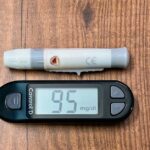
Blood sugar is measured with a glucose meter. You prick your finger with a lancet, place a drop of blood on a test strip, and insert the strip into the meter. The meter shows your blood glucose level in milligrams per deciliter (mg/dL) in the United States. Normal fasting blood sugar is below 100 mg/dL. A reading between 100 and 125 mg/dL indicates prediabetes. A reading of 126 mg/dL or higher on two separate tests indicates diabetes, according to the American Diabetes Association.
There are also continuous glucose monitors (CGMs) that use a sensor placed under the skin. These measure glucose in the fluid between cells every few minutes and send data to a smartphone. CGMs are becoming more common for people with diabetes and some people without diabetes who want to track their glucose response to food. However, the FDA has not approved CGMs for general health tracking, only for diabetes management.
Timing matters. Blood sugar changes throughout the day based on what you eat, when you eat, and your activity level. Fasting readings are taken after at least 8 hours without food. Post-meal readings are typically taken 1 to 2 hours after eating. A normal post-meal reading is below 140 mg/dL. If your meter consistently shows high numbers, talk to your doctor. Home meters are accurate within about 15% of lab values, which is acceptable for daily management but not for diagnosis.
How Do You Measure Blood Salt (Sodium) Levels?
Blood sodium is measured through a blood test called a serum sodium test, which is part of a basic metabolic panel. This is a lab test, not something you do at home. Normal serum sodium levels range from 135 to 145 milliequivalents per liter (mEq/L). Low sodium, called hyponatremia, is below 135 mEq/L. High sodium, called hypernatremia, is above 145 mEq/L.
Unlike blood sugar, blood sodium levels are tightly regulated by your kidneys and hormones. They do not fluctuate wildly after meals unless you have a medical condition. Eating a salty meal does not immediately raise your blood sodium to dangerous levels. Your kidneys adjust by retaining or excreting water. The health risk from high salt intake is not a direct spike in blood sodium. It is the long-term effect on blood pressure and kidney function.
There is no home test for blood sodium. Some urine test strips claim to measure sodium, but they are not reliable for clinical decisions. If you are concerned about your sodium levels, a blood test ordered by your doctor is the only accurate method. Symptoms of abnormal sodium include confusion, fatigue, muscle cramps, and headache. These are serious and require medical attention.
What Is the Difference Between Measuring Sugar in Food vs. Blood?
Measuring sugar in food and measuring sugar in blood are completely different processes that answer different questions. Food sugar is a nutrient measurement. You measure grams of sugar per serving to understand what you are eating. Blood sugar is a physiological measurement. You measure mg/dL of glucose in your blood to understand how your body is processing that food.
The sugar you eat does not directly equal the sugar in your blood. Table sugar is sucrose, which breaks down into glucose and fructose. Only glucose enters your bloodstream directly. Fructose goes to your liver. Fiber, fat, and protein in a meal slow down glucose absorption. This is why two foods with the same sugar content can cause very different blood sugar responses. An apple with 19 grams of sugar raises blood sugar less than a soda with 19 grams of sugar because the apple has fiber.
Here is a comparison table to clarify the differences:
| Measurement | What It Measures | Unit | Tool | Normal Range |
|---|---|---|---|---|
| Food sugar | Grams of sugar in a serving | grams (g) | Nutrition label, food scale | Varies by food; limit added sugar to 50 g/day |
| Food salt | Milligrams of sodium in a serving | milligrams (mg) | Nutrition label, measuring spoon | Limit sodium to 2,300 mg/day |
| Blood sugar | Glucose concentration in blood | mg/dL | Glucose meter, CGM, lab test | Fasting: below 100 mg/dL; post-meal: below 140 mg/dL |
| Blood sodium | Sodium concentration in blood | mEq/L | Lab blood test only | 135 – 145 mEq/L |
Tracking both food intake and blood levels can be useful for managing conditions like diabetes or high blood pressure. But they are not interchangeable. One tells you about your diet. The other tells you about your body’s response.
What Are Common Mistakes People Make When Measuring?
The most common mistake is confusing salt and sodium. Salt is sodium chloride. Sodium is a mineral within salt. Food labels list sodium, not salt. To convert sodium to salt, multiply by 2.5. So 1,000 mg of sodium equals 2,500 mg of salt. People who track “salt” but look at sodium numbers end up underestimating their intake by more than half.
Another mistake is relying on home tests for blood sodium. There are no reliable home tests for blood sodium. Some urine dipsticks claim to measure sodium, but they are not accurate enough for clinical use. If you think your sodium is off, only a lab blood test from your doctor can confirm it. Trying to self-diagnose sodium problems with home kits can lead to unnecessary worry or missed diagnosis.
For blood sugar, a common error is not washing your hands before testing. Residual sugar on your fingers from food can contaminate the blood sample and give a falsely high reading. The CDC recommends washing with soap and water and drying thoroughly before pricking. Alcohol wipes are an alternative but must dry completely. Also, using the same finger repeatedly can cause pain and calluses. Rotate fingers.
Finally, people often compare food sugar to blood sugar as if they measure the same thing. They do not. A food with 10 grams of sugar does not mean your blood sugar will rise by 10 mg/dL. Your body’s response depends on many factors including insulin sensitivity, meal composition, and timing. Do not panic if your food sugar numbers seem high compared to your blood sugar numbers. They are different metrics.
Frequently Asked Questions
Can I measure blood sodium at home?
No. There are no reliable home tests for blood sodium. It requires a lab blood test ordered by a doctor.
What is the normal range for blood sugar?
Fasting blood sugar below 100 mg/dL is normal. Above 126 mg/dL on two tests indicates diabetes.
How much sodium is in a teaspoon of salt?
One teaspoon of table salt contains about 2,300 mg of sodium, which is the entire daily limit.
Does eating sugar directly raise blood sugar?
Yes, but the rise depends on the food. Fiber, fat, and protein slow glucose absorption, so whole foods cause a slower rise than refined sugars.
