
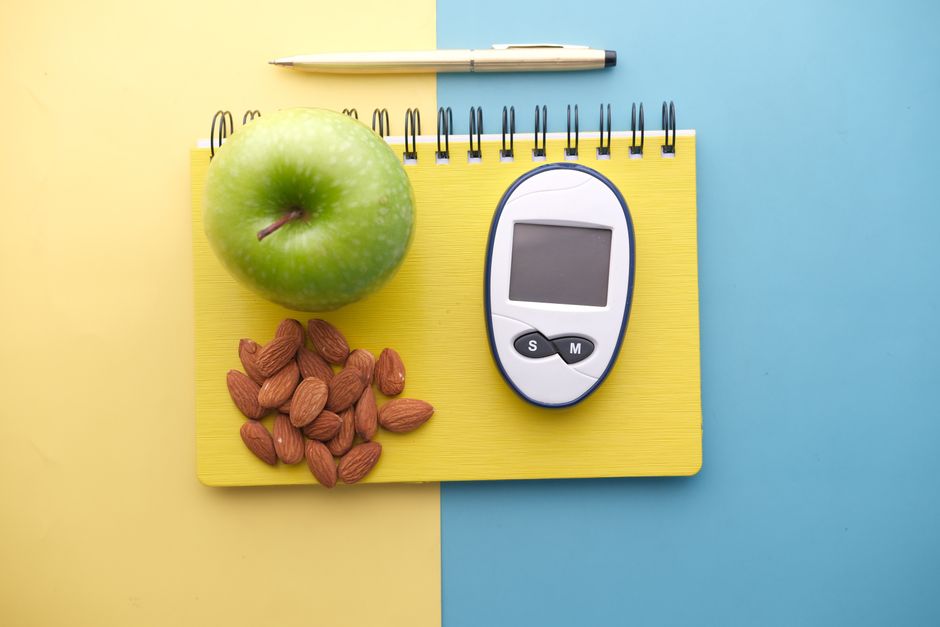
Low blood sugar — known medically as hypoglycemia — happens when your glucose levels drop below normal. The symptoms come on quickly and can include shakiness, sweating, confusion, dizziness, and a rapid heartbeat. The most reliable way to tell if your blood sugar is low is to check it with a blood glucose meter. If you do not have a meter, the combination of sudden sweating, hunger, and feeling shaky or weak is a strong clue.
What Are the Common Symptoms of Low Blood Sugar?
Hypoglycemia symptoms vary from person to person, but they tend to follow a pattern. Early signs include sweating, trembling, feeling anxious, or a sudden hunger that feels urgent. Your heart may pound or race. Some people notice tingling in their lips or fingers.
As glucose drops further, the brain becomes affected. You may feel dizzy, confused, or have trouble speaking clearly. Blurred vision, weakness, and fatigue are common. In severe cases, a person may lose consciousness or have a seizure. The key is to recognize the early signs before the situation worsens.
Not everyone experiences the same symptoms. People who have had diabetes for many years or take certain medications may lose the ability to sense low blood sugar — a condition called hypoglycemia unawareness. That makes regular monitoring even more important.
How Does Low Blood Sugar Feel Different from High Blood Sugar?
High blood sugar — hyperglycemia — usually comes on more slowly. You might feel thirsty, urinate frequently, and have blurry vision that builds over days. Low blood sugar feels sudden and intense. Sweating, shaking, and confusion happen within minutes.
Another difference: high blood sugar rarely causes immediate danger unless it leads to diabetic ketoacidosis, which takes time. Low blood sugar can become a medical emergency within 30 minutes if not treated. The sudden onset and dramatic physical symptoms are a hallmark of hypoglycemia.
If you are unsure whether your symptoms come from high or low sugar, check with a meter. Guessing can lead to wrong treatment, which may make things worse.
What Causes Blood Sugar to Drop?
The most common cause of low blood sugar is diabetes medication. Insulin and certain oral drugs like sulfonylureas can lower blood sugar too much if the dose is too high, food is skipped, or exercise increases unexpectedly. In people without diabetes, low blood sugar is less common but still possible.
Reactive hypoglycemia occurs a few hours after eating, especially after a high-carbohydrate meal. The body releases too much insulin in response, causing a sharp drop. Other causes include drinking alcohol on an empty stomach, severe liver or kidney disease, tumors of the pancreas (insulinomas), and certain hormonal deficiencies.
Prolonged fasting or intense exercise without enough fuel can also trigger low blood sugar in otherwise healthy people. But for most adults without diabetes, a brief low glucose event is rare and often explains itself — missed a meal, exercised harder than usual, or drank without eating.



How Can You Tell If Your Blood Sugar Is Low?
Accurate confirmation comes from a blood glucose reading. A value below 70 mg/dL is generally considered low. If you do not have a meter, think about the situation: Did you skip a meal? Recently take diabetes medication? Drink alcohol without food? The more risk factors present, the more likely your symptoms are from low blood sugar.
Physical signs that point strongly to hypoglycemia include sudden sweating with cool or clammy skin, a fast heartbeat, and a trembling feeling inside. Many people describe a sensation of “impending doom” or extreme nervousness. If you feel this way and also notice confusion or difficulty concentrating, act quickly.
For people who have frequent episodes, continuous glucose monitors can alert you before symptoms become severe. But the gold standard remains a finger-stick blood glucose test.
What Should You Do If Your Blood Sugar Is Low?
The immediate treatment is the “15-15 rule”: eat or drink 15 grams of fast-acting carbohydrate, wait 15 minutes, then recheck your blood sugar. Fast-acting carbs include glucose tablets (follow package directions), 4 ounces of fruit juice or regular soda, or 1 tablespoon of sugar dissolved in water. Avoid foods with fat or protein — they slow absorption.
If your blood sugar is still below 70 mg/dL after 15 minutes, repeat the treatment. Once it returns to normal, eat a small snack that includes protein and complex carbohydrates to prevent another drop. If you lose consciousness or cannot swallow, someone must call 911. Do not try to give food or drink to an unconscious person — it can cause choking. Glucagon injections can be used in emergencies.
If you experience low blood sugar frequently, talk to your doctor about adjusting your medications, meal timing, or activity plan. Keeping a log of episodes and their causes helps identify patterns.
When Should You See a Doctor?
A single mild episode that resolves quickly is usually not a concern if you have a clear cause — skipped a meal or exercised more than usual. But you should see a doctor if low blood sugar happens without an obvious reason, if episodes occur regularly, or if they are severe enough to cause confusion or loss of consciousness.
People without diabetes who have unexplained hypoglycemia need a medical evaluation. Underlying conditions such as insulinoma, adrenal insufficiency, or liver disease may be responsible. Your doctor may order a fasting blood test, an oral glucose tolerance test, or imaging to look for insulin-producing tumors.
For people with diabetes, healthcare providers can adjust medications, review your diet, and recommend a glucose monitoring plan that fits your lifestyle. Do not change your medication dose on your own — that can be dangerous.
Frequently Asked Questions
What is the normal blood sugar range?
For most adults without diabetes, normal fasting blood sugar is between 70 and 99 mg/dL. Levels below 70 mg/dL are considered low.
Can low blood sugar happen without diabetes?
Yes. Reactive hypoglycemia, certain medications, alcohol use, liver or kidney disease, and hormone disorders can all cause low blood sugar in people without diabetes.
How quickly does low blood sugar need treatment?
Immediately. Severe hypoglycemia can lead to seizures, loss of consciousness, or death within 30 to 60 minutes if left untreated.
What foods raise blood sugar fast?
Glucose tablets, fruit juice, regular soda, and sugar dissolved in water all raise blood sugar within minutes. Avoid chocolate, cookies, or ice cream because their fat slows absorption.
