

Greasy hair comes down to one simple fact: your scalp produces too much oil, or the oil stays on your hair instead of being washed away. The direct answer is that you manage it by washing more effectively, choosing the right products, and changing a few daily habits. No single trick works for everyone, but the combination of a gentle shampoo routine, less touching, and the right styling products will make the biggest difference for most people.
Why Does My Hair Get Greasy So Fast?
Your scalp makes a natural oil called sebum. Sebum keeps your hair and skin moisturized and protected. That is its job. The problem starts when your sebaceous glands produce more oil than your hair can absorb.
Some people simply have oilier skin than others. Genetics plays a large role. Hormones also matter — shifts in hormone levels can ramp up oil production at different times in your life.
Here is a non-obvious point that changes how you should think about this: your hair itself does not make oil. The oil comes from your scalp. If you have long hair, the oil has to travel down the hair shaft. That is why the roots get greasy first and the ends stay dry.
Washing too often can actually make the problem worse. When you strip all the oil away, your scalp can panic and produce even more oil to compensate. This is a real cycle, and it is why some people feel trapped in daily washing.
How Often Should You Wash Greasy Hair?
There is no universal number. For very oily hair, washing every day may be necessary. For most people, washing every other day works well.
If you have been washing daily for years, your scalp may be overproducing oil because it is used to being stripped clean. Gradually stretching the time between washes — going from daily to every other day — can help your scalp recalibrate. This takes patience. Expect a greasy transition period of a few weeks.
Some dermatologists recommend a different approach: wash with a gentle shampoo daily, but skip the second lather. The first lather removes dirt and oil. A second lather is often unnecessary and can be overly drying.
What matters most is not just how often you wash, but how well you wash. Many people do not actually clean their scalp effectively.
What Is the Right Way to Shampoo?
Most people put shampoo on their hair and scrub the lengths. That is backwards. The oil is on your scalp, not your hair.
Focus your shampoo on the scalp. Use your fingertips — not your nails — to massage the product into the skin. Work up a good lather and let it sit for a minute before rinsing. This gives the shampoo time to break down the oil.
Rinse thoroughly. Leftover shampoo residue can make hair look dull and greasy faster. Warm water is better than hot water. Hot water stimulates oil glands and can make your scalp produce more oil later.
Conditioner is for the ends of your hair, not your scalp. Applying conditioner to your roots adds moisture to an area that already has plenty of oil. Keep conditioner from your mid-lengths down to your ends and rinse well.




Which Shampoo Ingredients Actually Help?
Look for clarifying shampoos. These contain stronger cleansing agents that remove buildup from styling products and excess oil. Use one once a week or every other week. They can be drying if used daily.
Shampoos with salicylic acid help exfoliate the scalp and break down oil. These are often marketed for dandruff, but they work well for oily scalps too.
Shampoos with zinc pyrithione or ketoconazole target yeast on the scalp. Yeast overgrowth can contribute to oiliness and flaking. If your scalp is oily and itchy, these ingredients may help.
Some research suggests that tea tree oil has mild antimicrobial properties that can help with scalp health. The evidence for it reducing oil specifically is limited, but it is a reasonable option if you like how it feels.
Here is a table to help you match your needs to the right type of shampoo:
| Shampoo Type | Best For | How Often |
|---|---|---|
| Daily gentle shampoo | Mild oiliness, daily washing | Every day or every other day |
| Clarifying shampoo | Product buildup, heavy oil | Once a week |
| Salicylic acid shampoo | Oily scalp with flakes | 2-3 times per week |
| Dry shampoo | Between washes, quick fix | As needed |
Does Dry Shampoo Help or Hurt?
Dry shampoo is a tool, not a solution. It absorbs oil at the roots and gives your hair a fresher look between washes. It works by soaking up the oil, not by cleaning your scalp.
Use it correctly: spray it on your roots before your hair gets very greasy, not after. Let it sit for a few minutes, then brush or massage it through. Applying it to already-greasy hair just creates a paste-like mess.
Do not rely on dry shampoo for more than a day or two in a row. It does not remove oil, it just absorbs it. Buildup of dry shampoo and oil on the scalp can clog hair follicles and lead to irritation.
Some people use dry shampoo at night before bed. This gives the product time to absorb oil while you sleep, and you can brush it out in the morning for a cleaner look.
What Everyday Habits Make Hair Greasier?
Touching your hair is one of the biggest culprits. Your fingers carry oil and dirt from everything you touch. Every time you run your hands through your hair, you transfer that oil to your strands. If you have a habit of touching your hair while working or studying, that alone can make your hair look greasy by the afternoon.
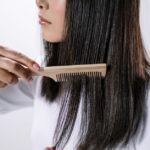
Brushing your hair too much also spreads oil. Brushing distributes the oil from your scalp down the hair shaft. A few strokes to style is fine. Brushing 100 times like old beauty advice suggested is a direct route to greasy hair.
Your pillowcase matters. You sleep on it for hours every night, and it absorbs oil from your hair and skin. Washing your pillowcase once a week — or more often if you have very oily hair — makes a real difference.
Your hair accessories matter too. Hats, headbands, and scrunchies absorb oil and then transfer it back to your hair. Wash them regularly.
Does Diet Affect Greasy Hair?
The evidence here is weaker than most people think. Some studies suggest that high-glycemic diets — foods that spike your blood sugar — may increase oil production. The theory is that insulin spikes influence hormone levels, which in turn stimulate sebaceous glands.
But no large clinical trial has confirmed that a specific diet reduces greasy hair. If you eat a balanced diet with plenty of vegetables and enough water, that is good for your overall health. Whether it will visibly change your hair oiliness is not well established.
What is more certain: dehydration does not directly cause oily hair. Your scalp produces oil based on hormones and genetics, not on how much water you drink. Do not expect hydration to fix this.
How Do You Make Your Hair Not Greasy? Guide to Styling
How you style your hair can hide oil or make it worse. Tight hairstyles like ponytails and buns pull the hair back and hide the greasy roots. Loose, flowing styles let the oil show.
Texture powders and sea salt sprays can add volume at the roots, which makes hair look less flat and less oily. These products absorb some oil and give your hair grip.
Be careful with serums, oils, and heavy styling creams. These add moisture and shine — the exact opposite of what you want. If your hair is already oily, skip these products entirely or use them only on the very ends.
Heat styling can help in the short term. Blow drying your roots with a round brush lifts the hair away from the scalp, which makes it look less greasy. But heat styling does not reduce oil production. It only changes how the oil looks.
When Should You See a Dermatologist?
If your hair is greasy despite trying these approaches for several weeks, see a doctor. Persistent oiliness can be a sign of seborrheic dermatitis, a condition where the scalp is inflamed and produces excess oil with flakes.
Hormonal conditions can also cause sudden increases in oil production. If you notice your hair getting greasier than usual along with other symptoms like irregular periods, acne, or hair thinning, that is worth a medical evaluation.
A dermatologist can prescribe stronger treatments, like prescription-strength shampoos or topical medications, that are not available over the counter. They can also tell you whether your oiliness is normal for your skin type or a sign of something else.
Frequently Asked Questions
Does washing hair every day make it greasier?
For some people, yes. Daily washing strips the scalp of oil, which can trigger it to produce more oil to compensate. If you wash daily, try stretching to every other day for a few weeks to see if oil production adjusts.
Is dry shampoo bad for your hair?
No, but it is not a cleaner. Dry shampoo absorbs oil at the roots but leaves buildup on the scalp if used too often without washing. Use it between washes, not as a replacement for shampoo.
What is the best shampoo for greasy hair?
A clarifying shampoo used once a week removes buildup, while a gentle daily shampoo keeps your scalp clean without over-stripping. Shampoos with salicylic acid can help if your scalp is oily and flaky.
Can brushing your hair make it greasy?
Yes. Brushing spreads oil from your scalp down the hair shaft. Limit brushing to a few strokes for styling, and clean your brush regularly to remove accumulated oil.
