
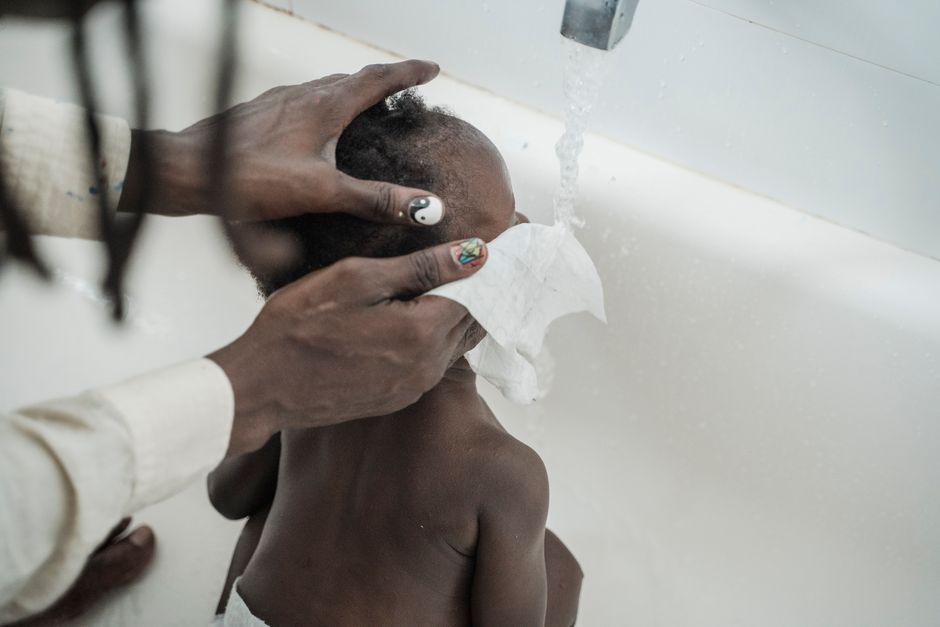
Newborns usually need their hair washed once or twice a week, not every day. As babies get older and start crawling, eating solids, and making messes, that often increases to two or three times a week. How often to wash baby hair varies mainly by age, scalp condition, and how much oil or food ends up in it — not by a fixed rule that applies to every child.
Many parents wash more often than needed because they worry about hygiene or cradle cap. In most cases, less frequent washing is actually easier on a baby’s scalp. The schedule below breaks down what tends to work at each stage.
How Often Should You Wash a Newborn’s Hair?
Once or twice a week is enough for most newborns. A newborn’s scalp produces very little oil, and their hair — whether thick or barely there — does not get dirty the way an older child’s does. Washing more often than that can dry out the scalp and strip away natural oils that protect the skin.
Newborns also lose heat quickly. A wet head cools a small body fast, so quick, warm washes in a warm room matter more than frequency. Have a towel and dry clothes ready before you start.
If your baby has thick hair or you notice it looking oily, twice a week is reasonable. If the scalp looks dry or flaky, backing off to once a week can help. There is no medical reason to wash a newborn daily.
When Does the Schedule Change?
Around 3 to 6 months, many babies start producing more oil, and their hair may look greasier between washes. This is normal. Two or three washes a week usually keeps it comfortable.
Once a baby is mobile — crawling, sitting in a high chair, touching everything — hair picks up food, sweat, and drool. At that point, washing every other day or even daily is fine if the scalp tolerates it. The key word is tolerates. Some babies have sensitive skin that reacts to frequent washing with dryness or irritation. Others handle daily washing without any issue.
By toddlerhood, most children’s hair can be washed two to three times a week, or more often if it is visibly dirty or sweaty. There is no single number that fits every child, and pediatric guidance generally emphasizes watching your child’s scalp rather than following a strict calendar.
What About Cradle Cap and Flaky Scalp?
Cradle cap — those yellowish, crusty patches on a baby’s scalp — is common in the first few months. It is not caused by poor hygiene, and washing more often will not prevent it. It is a form of seborrheic dermatitis, a harmless condition that usually clears on its own over weeks to months.
Some clinicians recommend gently loosening the scales with a soft brush or washcloth during bath time, and using a mild baby shampoo. A small amount of baby oil or mineral oil applied before washing is sometimes suggested to soften the crusts. This is common practice, though evidence for any single approach is limited. If the scalp looks very red, oozes, or spreads beyond the scalp, that warrants a call to your pediatrician — it may not be cradle cap.
Do not pick at the crusts. Scratching can break the skin and lead to irritation or infection.





Does Hair Type Change How Often You Should Wash?
Yes, and this is where a lot of generic advice falls short. Hair texture affects how often washing is needed and how drying it is.
- Straight, fine hair tends to show oil faster and can usually handle more frequent washing.
- Curly and coily hair tends to be drier and more fragile. Frequent shampooing can strip moisture and make it brittle. Many parents of children with textured hair wash less often and rely on conditioner or moisturizing products between washes.
- Thick hair holds onto oils and products longer, so it may need less frequent washing than fine hair.
For babies with textured hair, some dermatologists and hair-care specialists suggest washing every one to two weeks in the newborn stage, with gentle cleansing of the scalp in between. There is no single clinical guideline that sets a specific number for textured hair in infants, so this is an area where individual variation and your child’s comfort matter most.
What Shampoo Should You Use?
A mild, fragrance-free baby shampoo is the safest default. Fragrances and harsh detergents are common causes of scalp irritation in babies, and a product labeled for infants is formulated to be gentler than adult shampoo.
Use a small amount — a drop or two is plenty. Lather it in your hands first, then apply to the scalp. Rinse thoroughly, because leftover shampoo residue can irritate the skin. You do not need to scrub hard; gentle circular motions with your fingertips or a soft brush are enough.
You do not need to use shampoo at all in the newborn stage if you prefer. Warm water alone can rinse the scalp, and some parents alternate between water-only washes and shampoo washes to reduce drying.
How Do You Wash a Baby’s Hair Safely?
Safety matters more than frequency. A few practical points:
- Never leave a baby alone in the bath, even for a second.
- Support the head and neck with one hand while washing with the other.
- Keep water warm, not hot — around 100°F (37–38°C) is a common recommendation for infant bathing.
- Rinse from front to back to keep soap out of the eyes.
- Dry the head gently and dress the baby promptly to avoid chilling.
If your baby has a medical condition, skin condition, or has had a recent illness, follow your pediatrician’s guidance rather than a general schedule.
When Should You Wash More Often?
There are situations where more frequent washing makes sense:
- Visible dirt, food, or spit-up in the hair
- Heavy sweating, especially in warm weather
- After swimming, to rinse out chlorine or salt water
- If the scalp looks oily and your baby seems uncomfortable
None of these require a daily routine. They just mean a wash when it is actually needed. The goal is a clean, comfortable scalp — not a fixed number of washes per week.
What If You Wash Too Often?
Overwashing can cause dryness, flaking, and irritation. It can also make the scalp produce more oil in response, which creates a cycle where the hair looks greasy faster. If you notice your baby’s scalp looking dry, red, or flaky after frequent washing, cut back and see if it improves.
If dryness or irritation persists despite reducing washes, or if you see signs of infection like redness, swelling, pus, or open sores, contact your pediatrician. Those are not typical responses to washing frequency.
Frequently Asked Questions
How often should I wash my newborn’s hair?
Once or twice a week is enough for most newborns. Washing more often is not necessary and can dry out the scalp.
Can I wash my baby’s hair every day?
For older babies and toddlers, daily washing is fine if the scalp tolerates it. For newborns, daily washing is usually not needed and may cause dryness.
Does washing cause cradle cap?
No. Cradle cap is a form of seborrheic dermatitis and is not caused by washing frequency or hygiene. It usually clears on its own over weeks to months.
How often should I wash my toddler’s hair?
Two to three times a week works for most toddlers. Wash more often if the hair is visibly dirty, sweaty, or has food in it.
