
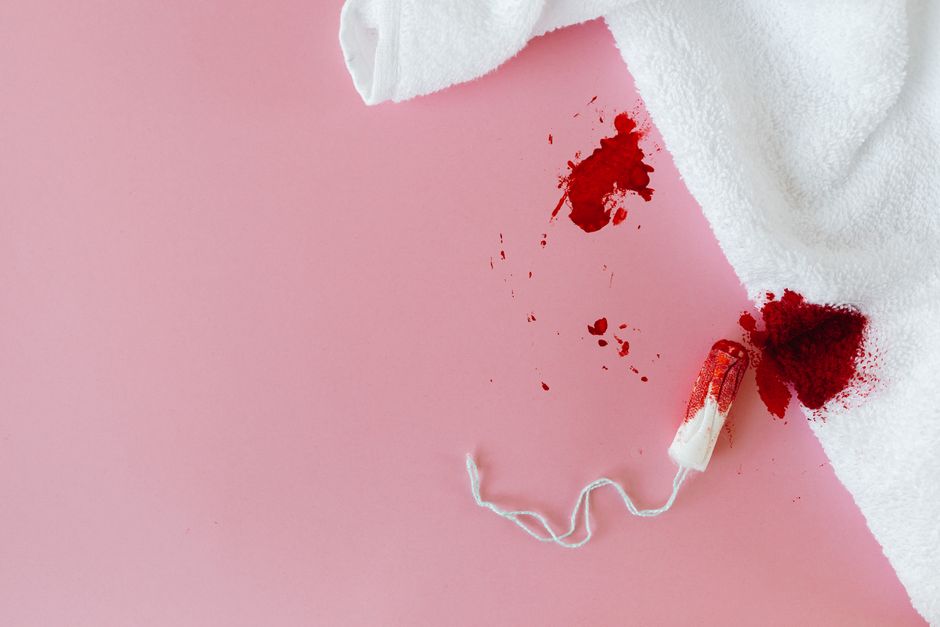
Your body often gives you clear clues that your period is on its way. These signs can start a week or two before your period begins. The most common signals include bloating, breast tenderness, mood changes, fatigue, acne, and cramping in the lower belly. Not everyone experiences the same symptoms, and they can change from month to month. Paying attention to these patterns helps you predict when your period will start.
What Are the Most Common Signs Your Period Is Coming?
Many people notice physical changes before their period. Breast tenderness is one of the earliest signs. Your breasts may feel heavy, sore, or swollen. Abdominal bloating is also common. You might feel like your stomach is tight or bigger than usual.
Fatigue often sets in during the days before your period. You may feel tired even after a full night of sleep. Skin changes are another clue. Some people develop breakouts on their face, back, or chest. Food cravings, especially for sweets or salty snacks, are also frequent.
Mood changes can be strong. Irritability, sadness, or anxiety may appear without a clear trigger. Lower back pain and mild cramping in the lower belly are typical too. These cramps are usually dull and achy, not sharp. Headaches are another possible sign.
One less obvious sign is changes in bowel habits. Some people have constipation or diarrhea before their period. This happens because hormones affect digestion.
How Do Hormones Cause These Symptoms?
Your menstrual cycle is controlled by hormones that rise and fall at specific times. After ovulation, estrogen and progesterone levels increase. If pregnancy does not occur, these hormones drop sharply about one to two weeks later. That drop triggers the start of your period.
The sudden fall in progesterone is linked to many premenstrual symptoms. It can cause water retention, which leads to bloating and breast tenderness. Estrogen changes affect brain chemicals like serotonin. Lower serotonin levels are tied to mood swings, fatigue, and food cravings.
Prostaglandins, chemical messengers that help the uterus contract, also rise before your period. These contractions cause the cramping many people feel. They can also cause nausea, diarrhea, or headaches in some people.
How Can You Tell PMS Symptoms From Pregnancy Symptoms?
Premenstrual syndrome (PMS) and early pregnancy share many symptoms. Both can cause breast tenderness, fatigue, bloating, and mood changes. This overlap makes it hard to tell them apart based on symptoms alone.
There are a few differences that some people notice. Nausea and vomiting are more common with pregnancy than with PMS. Implantation bleeding, a light spotting that occurs around the time a fertilized egg attaches to the uterus, is a sign of early pregnancy. PMS does not cause this type of spotting.
Timing is also a clue. PMS symptoms usually improve once your period starts and disappear within a few days. Pregnancy symptoms often continue or get worse. The only reliable way to confirm pregnancy is with a home pregnancy test after a missed period.
If your period is late and you have symptoms, take a pregnancy test. False negatives can happen if you test too early. Follow the test instructions carefully or consult a healthcare provider.




When Do Period Symptoms Usually Start?
Premenstrual symptoms begin anywhere from 5 to 14 days before your period. For most people, symptoms appear about one to two weeks before bleeding starts. They tend to be mildest at first and increase as your period approaches.
The term for this time frame is the luteal phase of your menstrual cycle. It begins after ovulation and ends when your period starts. If your cycle is 28 days long, ovulation happens around day 14, and PMS symptoms can start around day 17 or 18.
Symptoms typically stop within 24 hours after your period begins. Some people feel relief almost immediately. Others continue to have mild aches during the first day or two of their period.
What Symptoms Are Not Normal and When Should You See a Doctor?
Most period-related symptoms are normal and manageable. But some signs may point to a medical problem. Severe pain that prevents you from doing daily activities is not normal. See a doctor if cramps are so strong that you miss school or work, or if over-the-counter pain relievers do not help.
Very heavy bleeding is also a concern. If you need to change a pad or tampon every hour for several hours, or if you pass clots larger than a quarter, talk to a healthcare provider. This could be a sign of a condition like fibroids or a bleeding disorder.
Other warning signs include bleeding between periods, periods that last more than seven days, or cycles shorter than 21 days or longer than 35 days. Sudden changes in your cycle pattern that last for several months also warrant a checkup.
Mood symptoms that are severe enough to interfere with your relationships or daily life may be premenstrual dysphoric disorder (PMDD). This condition is more serious than PMS and requires medical evaluation.
Is There Anything That Can Help With Premenstrual Symptoms?
Lifestyle changes can reduce the severity of PMS symptoms for many people. Regular exercise, a balanced diet, and adequate sleep are the foundation. Some people find that reducing salt helps with bloating, and cutting back on caffeine and alcohol improves mood and sleep.
Over-the-counter pain relievers like ibuprofen or naproxen can help with cramps and breast tenderness. Taking them at the first sign of pain works best. Heat therapy, such as a heating pad or warm bath, can also soothe lower back and belly discomfort.
Some research suggests that calcium supplements may help with PMS symptoms. The evidence is strongest for calcium, with some studies showing a reduction in bloating, fatigue, and mood changes. Magnesium and vitamin B6 have also been studied, but the evidence is less clear. Always talk to a doctor before starting any supplement.
Hormonal birth control is another option for people with significant symptoms. It can make periods lighter and more predictable and reduce PMS. Discuss the risks and benefits with a healthcare provider.
How Do You Know When You Are Getting Your Period? A Quick Summary
Your body gives you several signals in the days before your period starts. The most reliable signs are breast tenderness, bloating, fatigue, mood swings, and mild cramping. These symptoms begin one to two weeks before your period and usually stop once bleeding starts. Look for patterns over several cycles to learn your personal symptoms. If symptoms are severe or interfere with your life, talk to a doctor.
Frequently Asked Questions
How long before your period do you get symptoms?
Symptoms usually start 5 to 14 days before your period begins. The exact timing varies by person and cycle.
Can you have PMS symptoms without getting your period?
Yes, symptoms similar to PMS can occur without a period, especially if you are pregnant, have an irregular cycle, or are approaching menopause. A pregnancy test or a doctor visit can help clarify the cause.
What does period cramping feel like?
Period cramps typically feel like a dull, aching pressure in the lower belly or lower back. They may come in waves and range from mild to severe.
Are there any foods that make PMS symptoms worse?
Some people find that salty foods increase bloating, and caffeine or alcohol can worsen mood swings and sleep problems. Reducing these may help.
