
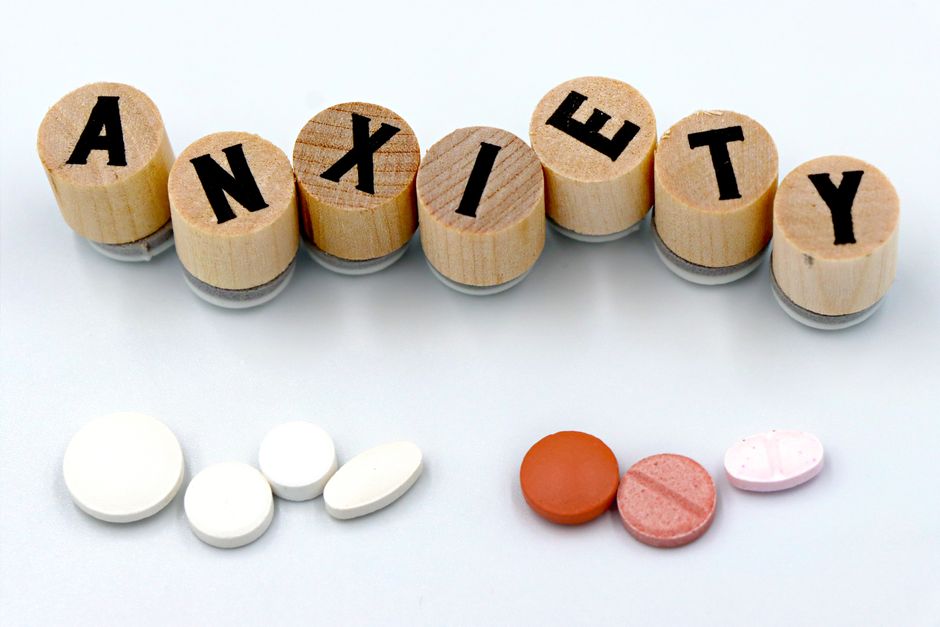
You might have anxiety if you feel worried or scared most days, even when there is no clear danger. Anxiety is more than just feeling stressed before a big event. It is a real medical condition that affects your body, thoughts, and daily life. Knowing the difference between normal worry and an anxiety disorder is the first step to getting the right help.
What Does Anxiety Feel Like in the Body?
Anxiety is not just in your head. It shows up in your body in very real ways. Your heart might race for no reason. Your palms may sweat when you are sitting still. Some people feel a tightness in their chest or a lump in their throat.
Other common physical signs include shaking, dizziness, and stomach problems. Many people with anxiety feel tired all the time, even after a full night of sleep. This happens because your body stays in a state of high alert, which drains your energy.
Research shows that anxiety triggers your fight-or-flight response. This is a natural survival system. But when it stays on all the time, your body pays the price. Headaches, muscle tension, and a weak immune system are common in people with chronic anxiety.
If these physical symptoms happen often and interfere with your day, it is worth talking to a doctor. They can rule out other medical conditions that might look like anxiety, such as thyroid problems or heart issues.
How Do You Know If Your Worry Is Normal or an Anxiety Disorder?
Everyone worries sometimes. It is normal to feel nervous before a job interview or a medical test. But anxiety disorders are different. The worry does not match the situation. It feels too big and it does not go away.
| Normal Worry | Anxiety Disorder |
|---|---|
| Worries come and go | Worry lasts for weeks or months |
| You can still focus on other things | Worry makes it hard to work or sleep |
| You feel better after the event passes | You worry about many things, not just one event |
| Physical symptoms are mild and brief | Physical symptoms are strong and frequent |
A key sign is avoidance. If you start skipping things because of fear, that is a red flag. Maybe you stop going to social events. Or you avoid driving on highways. You might even stay home from work because the fear feels too big to handle.
Another clue is how much time you spend worrying. If you spend more than an hour a day stuck in anxious thoughts, that is a sign of a disorder. This is widely claimed though strong evidence is limited on exact time limits. But many mental health professionals use this as a rough guide.
What Are the Different Types of Anxiety Disorders?
Anxiety is not one single condition. It comes in different forms. Knowing the type helps you find the right treatment.
Generalized Anxiety Disorder (GAD) is the most common. People with GAD worry about many things every day. Money, health, family, work — nothing feels safe. The worry is hard to control and lasts for at least six months.
Panic Disorder involves sudden attacks of intense fear. Your heart pounds. You feel like you cannot breathe. Some people think they are having a heart attack. These attacks can happen without warning.
Social Anxiety Disorder is a fear of being judged by others. You might dread speaking in public or even eating in front of people. It goes beyond shyness. It stops you from living your life.
Specific Phobias are intense fears of one thing, like heights, spiders, or flying. Most people know the fear is irrational. But they cannot control it.
Some people report having mixed symptoms. You might have both GAD and panic attacks. This is common. A mental health professional can help sort out what is going on.





How Do Doctors Diagnose Anxiety?
There is no simple blood test to know if you have anxiety. Doctors use interviews and questionnaires. They ask about your symptoms, how long you have had them, and how they affect your life.
The most common tool is the GAD-7 questionnaire. It asks seven questions about how often you have felt anxious over the past two weeks. Your score helps the doctor understand the severity. This tool is widely used and research shows it is reliable.
Your doctor will also check for other medical conditions. Thyroid problems, heart conditions, and even vitamin deficiencies can cause anxiety-like symptoms. As of 2026, current research suggests that checking for these physical causes is a standard part of a good evaluation.
You do not need to see a psychiatrist first. Your primary care doctor can screen you and start treatment. Many people get help right from their regular doctor. If your case is complex, they may refer you to a specialist.
What Actually Helps Treat Anxiety?
Treatment works. Studies have found that therapy and medication help most people with anxiety. The best approach often combines both.
Cognitive Behavioral Therapy (CBT) is the most researched treatment. It teaches you to notice anxious thoughts and challenge them. You learn new ways to respond to fear. CBT is not quick, but it gives you skills that last a lifetime.
Medication can also help. The most common types are SSRIs, which are also used for depression. They are not addictive. They take a few weeks to start working. Some people worry about side effects, but most are mild and go away.
Lifestyle changes matter too. Regular exercise lowers anxiety. So does cutting back on caffeine and alcohol. Sleep is critical. When you are tired, anxiety gets worse.
- Therapy (especially CBT) is the most effective long-term treatment
- Medication works well for moderate to severe anxiety
- Exercise, sleep, and reducing caffeine help manage symptoms
- Support groups and mindfulness practices can also be helpful
What does not help? Avoiding the things that scare you. Avoidance makes anxiety grow stronger over time. Also, relying on alcohol or drugs to feel calm is dangerous. It may work in the moment, but it makes anxiety worse in the long run.
When Should You See a Professional?
You should see a professional if anxiety is interfering with your life. If you miss work, avoid friends, or cannot sleep because of worry, it is time to get help. You do not have to wait until things get really bad.
Many people wait years before seeking help. They think they should be able to handle it on their own. But anxiety is a medical condition, not a personal failure. Getting treatment early leads to better outcomes.
If you have thoughts of hurting yourself, get help immediately. Call 988 in the US to reach the Suicide and Crisis Lifeline. They are available 24/7. You do not have to be in crisis to call. They can help with anxiety too.
Some people report that talking to a friend or family member first helps. That is fine. But if the anxiety does not get better, see a professional. Your doctor, a therapist, or a counselor can all help you find the right path forward.
Frequently Asked Questions About know if you have anxiety
Can anxiety go away on its own without treatment?
Mild anxiety can improve with lifestyle changes and stress reduction. But moderate to severe anxiety usually requires professional treatment to fully resolve.
What is the best way to know if you have anxiety?
The best way is to see a doctor or mental health professional for a proper evaluation. Self-screening tools like the GAD-7 can give you an idea, but they are not a diagnosis.
Is anxiety a sign of weakness?
No. Anxiety is a medical condition with biological causes. It is not a character flaw or a sign of weakness. Many strong, successful people live with anxiety disorders.
How long does it take for anxiety treatment to work?
Therapy often shows improvement within 8 to 12 sessions. Medication can take 4 to 6 weeks to start working. Full benefits may take several months.
