
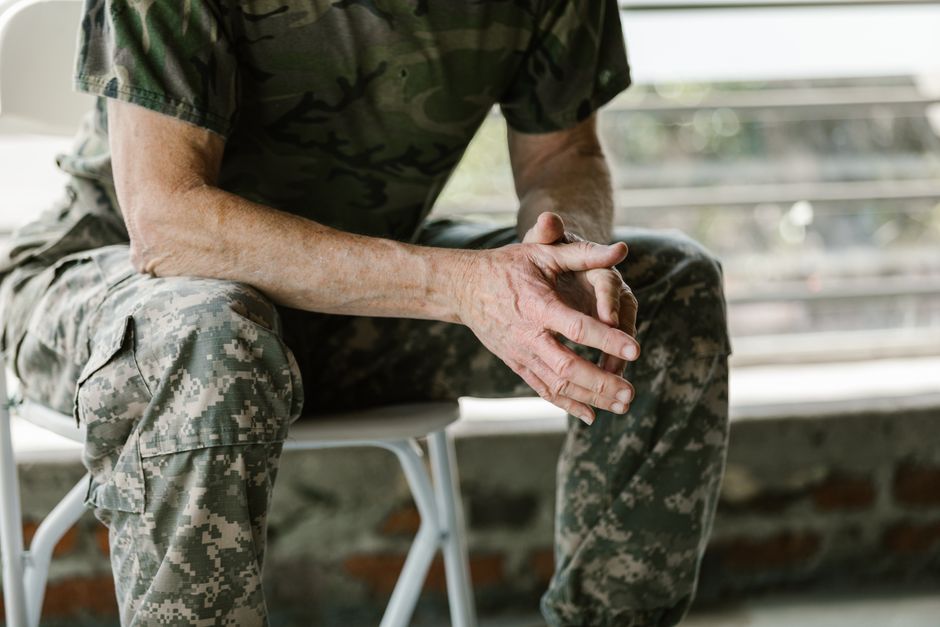
Deciding to join the Army is a major life decision, and if you live with anxiety, it is natural to wonder how military service will affect you. The honest answer is that Army training and service can temporarily increase anxiety symptoms for many people, but the military also provides structured mental health support. Your experience will depend heavily on your current symptom severity, your coping strategies, and the specific demands of your job within the Army.
Does Basic Training Cause Anxiety?
Yes, basic training is intentionally stressful. The environment is designed to break down civilian habits and build military discipline. You face loud instructors, constant physical demands, sleep deprivation, and a complete loss of personal control.
For someone prone to anxiety, this is a perfect storm. Studies have shown that many recruits experience elevated stress and anxiety symptoms during the first few weeks of basic training. Most adapt and their symptoms settle as they become accustomed to the routine. But for others, the pressure can trigger a more serious anxiety response.
This is not a sign of weakness. It is a normal human response to an abnormal environment. The military screens for mental health conditions before entry, but it cannot predict how every individual will react to the specific stressors of training.
What Happens If I Have an Anxiety Attack in the Army?
If you have a panic attack or severe anxiety episode during training, you have options. The first step is always to speak with your drill sergeant or direct supervisor. They are trained to recognize when a recruit needs medical attention.
You will be referred to a military medical provider, usually at the on-base clinic. This is not an automatic discharge. Many service members receive treatment for anxiety and continue their careers successfully.
Your medical information is protected by privacy laws, though military commanders may be notified if your condition affects your ability to perform your duties safely. This is a genuine concern for many service members who worry about being seen as weak or unfit.
It is important to know that seeking help is not a career-ending move. The military has invested heavily in mental health resources because it recognizes that untreated anxiety is a bigger risk to readiness than a treated service member.
Will My Anxiety Disqualify Me From Joining?
The Army has specific medical standards for enlistment. Current guidelines generally disqualify applicants with a recent history of anxiety disorders requiring treatment or medication. The exact rules have changed over the years, so you need to check current regulations.
If you have been off medication and symptom-free for a certain period, you may be eligible for a waiver. The required time period varies depending on the severity of your history and the current needs of the military.
Be honest on your medical forms. Lying about your mental health history can lead to discharge later, and it prevents you from getting the support you may need. The military will access your medical records during the security clearance process, so concealment rarely works.
If you are currently taking anti-anxiety medication, you will almost certainly be disqualified. The Army does not allow service members to deploy while taking most psychiatric medications, though some exceptions exist for those already in service.
-
 What is Separation Anxiety? Everything You Need to Know
 -
How to Get Over Performance Anxiety? What You Need to Know
-
Do I Have Social Anxiety Quiz? Everything You Need to Know
-
How to Survive Army Boot Camp with Anxiety? Steps You Can Start Today
-
Pineal Guardian X Reviews: Does This Liquid Brain Drop Actually Work?





How Does Army Life Affect Anxiety Long-Term?
Some research suggests that military service can improve resilience in people who cope well with stress. The structured environment, physical fitness requirements, and strong social bonds can provide a sense of purpose that helps some people manage their anxiety better.
However, the evidence is mixed. Deployment, combat exposure, and the unpredictability of military life can worsen anxiety symptoms for others. A 2021 report from the Department of Defense found that anxiety disorders are among the most common mental health conditions diagnosed in active-duty service members.
Your specific military job matters. A desk job in logistics creates different stressors than an infantry role or a medical position. Consider your triggers when choosing your military occupational specialty if you have the option.
Long-term outcomes depend on the support you receive. Service members who use mental health services early tend to have better outcomes than those who try to push through alone.
What Mental Health Support Does the Army Provide?
The Army provides free mental health care to all service members. This includes counseling, psychiatric medication management, and crisis intervention services. Every installation has a behavioral health clinic.
There are also confidential resources. Military OneSource offers non-medical counseling that is not reported to your command. This can be a good first step if you are worried about career repercussions.
The Army also has embedded behavioral health providers in many units. These professionals work alongside soldiers daily and understand the unique pressures of military life.
During basic training, chaplains are available for confidential support. They are not mental health professionals, but they can provide a listening ear and refer you to appropriate care.
What If My Anxiety Gets Worse After I Enlist?
If your anxiety becomes unmanageable, you have several paths forward. The first is to seek treatment and continue serving. Many service members do exactly this with good results.
If treatment does not help enough, you may be referred to a Medical Evaluation Board. This process determines whether you can continue serving or should be medically discharged. A medical discharge for anxiety is not a dishonorable discharge. It is an honorable separation based on a medical condition.
You also have the option of requesting a discharge for hardship or other reasons, though this is more complicated and not guaranteed.
Do not try to hide worsening symptoms. Untreated anxiety can lead to more serious conditions like depression, substance use problems, or suicidal thoughts. The Army has resources specifically for crisis situations, including the Military Crisis Line, which is available 24/7.
How Can I Prepare Mentally Before Joining?
If you are determined to join despite your anxiety history, preparation matters. Build a strong support network before you ship out. Stay in contact with family and friends who understand your struggles.
Practice stress management techniques now. Deep breathing, mindfulness, and physical exercise are all proven methods for managing anxiety. The more automatic these skills become, the better you will cope under pressure.
Be realistic about your expectations. Basic training will be hard. There will be days when you want to quit. Knowing this in advance does not make it easier, but it prevents the shock of unexpected difficulty.
Consider speaking with a civilian therapist before enlisting. They can help you develop a personal coping plan and honestly assess whether you are ready for military life.
What Are the Signs I Should Not Join?
Some signs suggest that military service may not be the right choice right now. If you are currently experiencing frequent panic attacks, you should not join until you have your symptoms under control.
If you have been hospitalized for anxiety or have a history of suicidal thoughts, military service is likely not appropriate. The stress of training can exacerbate these conditions dangerously.
If you rely heavily on medication to function, you will not be able to continue that treatment in the Army. This is a practical barrier that you cannot work around.
If your anxiety is triggered by loud noises, crowds, or being yelled at, basic training will be extremely difficult. These are core elements of the training environment that you cannot avoid.
Frequently Asked Questions
Can I join the Army if I take anxiety medication?
No, current Army policy generally disqualifies applicants who require anxiety medication. You may be eligible for a waiver if you have been off medication and stable for a specified period, but this varies by case.
Will the Army discharge me if I develop anxiety?
Not automatically. Many service members receive treatment and continue serving successfully. If your anxiety does not improve with treatment and affects your duty performance, you may be medically discharged honorably.
Is anxiety a disqualifying condition for military service?
It can be. A recent diagnosis or active treatment for an anxiety disorder typically disqualifies you initially. However, waivers are possible if you have been symptom-free without medication for the required time period.
Can I get mental health help in the Army without my commander knowing?
Yes, for most counseling. Military OneSource and chaplain services offer confidential support. However, if you need medication or are considered a risk to yourself or others, your command may be notified.
