
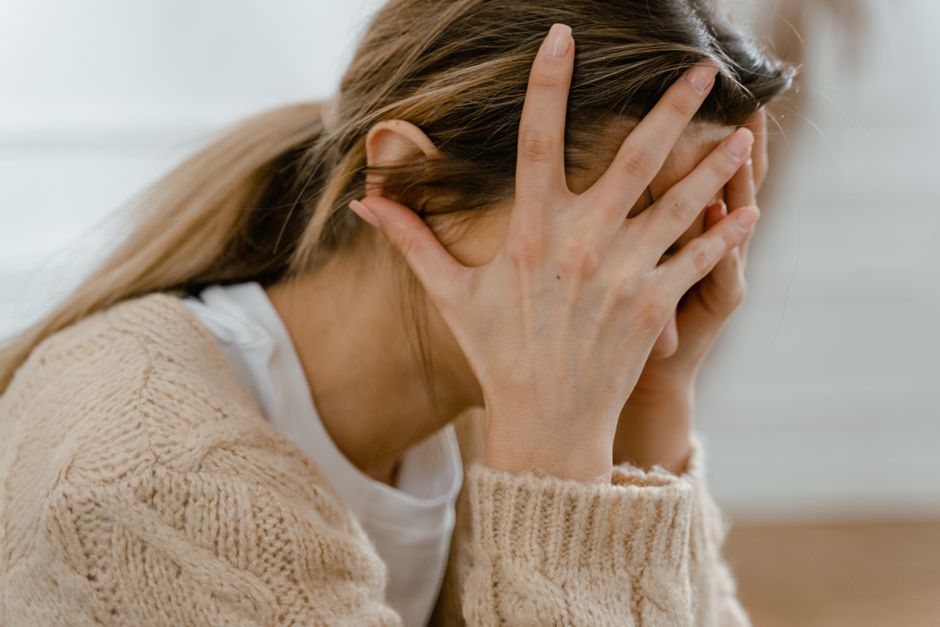
Anxiety feels like your brain is screaming at you while your body runs a marathon you never signed up for. It is a tight chest, a racing heart, and a mind that cannot stop spinning worst-case scenarios. Many people describe it as a constant sense that something terrible is about to happen, even when everything is fine. Understanding how anxiety actually feels is the first step to knowing you are not alone and that real help exists.
What Does Anxiety Physically Feel Like in Your Body?
Anxiety is not just in your head. It is a full-body experience. Your nervous system kicks into high gear, releasing stress hormones like cortisol and adrenaline. These chemicals prepare your body for danger, even when there is no actual threat.
People often describe a tight band around their chest or a lump in their throat. Your stomach may churn or cramp. Your muscles tense up, especially in your shoulders, jaw, and back. Sweaty palms, shaky hands, and a racing heartbeat are common. Some people feel dizzy or lightheaded, as if they might pass out.
Current research suggests that these physical symptoms happen because your body cannot tell the difference between a real threat and a perceived one. A work deadline triggers the same physical reaction as a bear in the woods. Knowing this can help you stop blaming yourself for feeling awful.
One less obvious symptom is fatigue. Being anxious all day is exhausting. Your body burns energy at a high rate, leaving you drained even if you did nothing physical. This is why anxiety and tiredness often go hand in hand.
How Does Anxiety Feel Mentally and Emotionally?
The mental experience of anxiety can be harder to describe than the physical one. It often feels like your brain has too many tabs open, and none of them will close. You may find yourself worrying about the same thing over and over, unable to stop.
Many people report a sense of dread or doom. It is not sadness exactly. It is a feeling that something bad is about to happen, and you cannot prevent it. You might feel restless, on edge, or irritable. Small things that normally would not bother you suddenly feel overwhelming.
Concentration becomes difficult. You might read the same sentence three times and still not absorb it. Your mind may go blank in conversations. This happens because your brain is prioritizing survival over everything else. It is not a sign that you are losing your mind. It is a sign that your stress response is stuck in the on position.
Some people feel detached from themselves or their surroundings. This is called depersonalization or derealization. It can be frightening, but it is actually your brain trying to protect you from overwhelming stress. It usually fades when the anxiety lessens.
What Causes Anxiety to Feel So Different for Each Person?
Two people can both have anxiety and feel completely different things. Genetics play a role. If your parents had anxiety, you are more likely to have it too. But life experiences matter just as much.
Trauma can rewire your brain to be more alert to danger. A person who experienced a car accident may feel anxious every time they get in a car. Someone who grew up in a chaotic home may feel anxious in quiet spaces because quiet used to mean something bad was coming.
Brain chemistry also varies. Some people have lower levels of GABA, a chemical that helps calm the brain. Others have an overactive amygdala, the part of the brain that detects threats. These biological differences explain why one person’s anxiety feels like a knot in their stomach while another person’s feels like a fog in their head.
Your personality matters too. People who are naturally more sensitive or perfectionistic may experience anxiety more intensely. This is not a flaw. It is a trait that can be managed with the right tools.





What Does a Panic Attack Actually Feel Like?
If you have ever wondered whether you had a panic attack, you probably did. It is hard to mistake. A panic attack feels like you are dying or going crazy. It comes on suddenly, often without any clear trigger.
Your heart pounds so hard you think it might stop. You cannot catch your breath. Your hands and feet may tingle or go numb. Some people feel like they are choking or that the room is closing in. The fear is so intense that you may feel an urgent need to escape, even if you are in a safe place.
Panic attacks usually peak within ten minutes. They feel like they last forever, but they do pass. Knowing this can help you ride through one without making it worse by fighting it. The most helpful thing you can do during a panic attack is to remind yourself that it is temporary and not dangerous.
Many people who have one panic attack start to fear having another. This fear of fear itself can trap you in a cycle. Avoiding places where you had a panic attack only makes the anxiety grow. Treatment focuses on breaking that cycle slowly and safely.
| Physical Symptoms | Mental Symptoms |
|---|---|
| Racing heart or palpitations | Constant worrying or racing thoughts |
| Tight chest or shortness of breath | Feeling of dread or impending doom |
| Stomach pain or nausea | Difficulty concentrating or mind going blank |
| Muscle tension or headaches | Irritability or restlessness |
| Dizziness or lightheadedness | Feeling detached from yourself or reality |
| Sweating or hot flashes | Trouble falling or staying asleep |
How Does Anxiety Feel Different from Everyday Stress?
Stress and anxiety feel similar, but they are not the same thing. Stress is a response to an actual external pressure. You have a deadline, so you feel stressed. The stress goes away when the deadline passes.
Anxiety is different. It lingers even when the stressor is gone. You might finish the project and still feel wound up for hours or days. Anxiety can also happen without any obvious trigger. You might wake up anxious for no reason at all.
Stress usually feels proportional to the situation. Anxiety often feels bigger than the situation deserves. A minor email can feel like a crisis. This mismatch between the threat and your reaction is a hallmark of anxiety. It is not your fault. Your brain’s alarm system is too sensitive.
Another difference is that stress tends to be focused. You worry about the specific thing causing stress. Anxiety is more diffuse. It spreads to many areas of your life. You may worry about work, health, relationships, and the future all at once. This broad worry pattern is exhausting and confusing.
What Actually Helps When Anxiety Feels Overwhelming?
There is no single cure for anxiety, but several approaches have strong research support. Therapy, especially cognitive behavioral therapy, is one of the most effective treatments. It teaches you to recognize the thought patterns that fuel anxiety and replace them with more realistic ones.
Medication can also help. Antidepressants like SSRIs are commonly prescribed for anxiety. They do not work instantly. They take several weeks to build up in your system. For some people, they make a huge difference. For others, the side effects are not worth it. Your doctor can help you decide.
Lifestyle changes matter too. Regular exercise lowers baseline anxiety levels. Even a twenty-minute walk can help. Cutting back on caffeine is another simple change that makes a real difference for many people. Caffeine mimics the physical symptoms of anxiety, which can trick your brain into feeling more anxious.
Breathing exercises are not a cure, but they can help in the moment. Slow, deep breathing activates your parasympathetic nervous system, which calms your body down. Try breathing in for four counts, holding for four, and breathing out for six. Do this for a few minutes when anxiety spikes.
- Grounding techniques: Name five things you can see, four you can touch, three you can hear, two you can smell, and one you can taste. This pulls your brain back to the present.
- Limit news and social media: Constant bad news feeds anxiety. Set a timer for ten minutes a day if you struggle to stop checking.
- Talk to someone: Isolation makes anxiety worse. Even a short conversation with a trusted friend can lower your stress level.
- Sleep hygiene: Poor sleep makes anxiety worse. Aim for consistent bedtimes and avoid screens an hour before sleep.
Common Misconceptions About How Anxiety Feels
One common myth is that anxiety is just being dramatic or overreacting. This is not true. Anxiety is a real medical condition with measurable changes in brain activity. Telling someone to just calm down is like telling someone with a broken leg to just walk it off.
Another misconception is that anxiety always has a clear cause. Many people search for a reason why they feel anxious and blame themselves when they cannot find one. The truth is that anxiety can come from a mix of genetics, brain chemistry, and life experiences. Sometimes there is no single reason.
Some people believe that having anxiety means you are weak. This is harmful and false. Many high-functioning people live with anxiety. It does not reflect your character or your strength. Seeking help is a sign of courage, not weakness.
As of 2026, there is no clinical evidence that anxiety can be cured by willpower alone. No amount of positive thinking can override a brain that is wired to be on high alert. Treatment and support are necessary for most people. This is not a personal failure.
When Should You Seek Professional Help for Anxiety?
If anxiety is interfering with your daily life, it is time to get help. This includes trouble going to work, avoiding social situations, or struggling to complete basic tasks. If you have stopped doing things you used to enjoy because of anxiety, that is a clear sign.
Physical symptoms that do not go away also warrant a visit to a doctor. Chest pain, rapid heartbeat, and shortness of breath should always be checked by a medical professional to rule out other causes. Once your doctor confirms it is anxiety, you can move forward with treatment.
If you have thoughts of harming yourself or feel like life is not worth living, reach out immediately. The National Suicide Prevention Lifeline is available 24/7 at 988. You do not have to be in crisis to call. They can help you figure out next steps.
There is no shame in needing help. Millions of people live with anxiety. Effective treatments exist. You do not have to figure this out alone. A therapist, doctor, or support group can make the path forward much clearer.
Frequently Asked Questions About anxiety feel
Can anxiety feel like a heart attack?
Yes, anxiety and panic attacks can cause chest pain, a racing heart, and shortness of breath that feel very similar to a heart attack. It is always safest to go to the emergency room if you are unsure.
Does anxiety feel different in the morning than at night?
Many people experience morning anxiety with high cortisol levels right after waking up. Others feel worse at night when distractions fade and their mind has time to worry.
Can anxiety feel like you are going crazy?
Yes, the racing thoughts, detachment from reality, and intense fear can make you feel like you are losing your mind. This is a common symptom of anxiety and it does pass.
How long does an anxiety episode usually last?
An anxiety episode can last anywhere from a few minutes to several hours depending on the trigger and how you respond to it. Panic attacks typically peak within ten minutes and then fade.
