
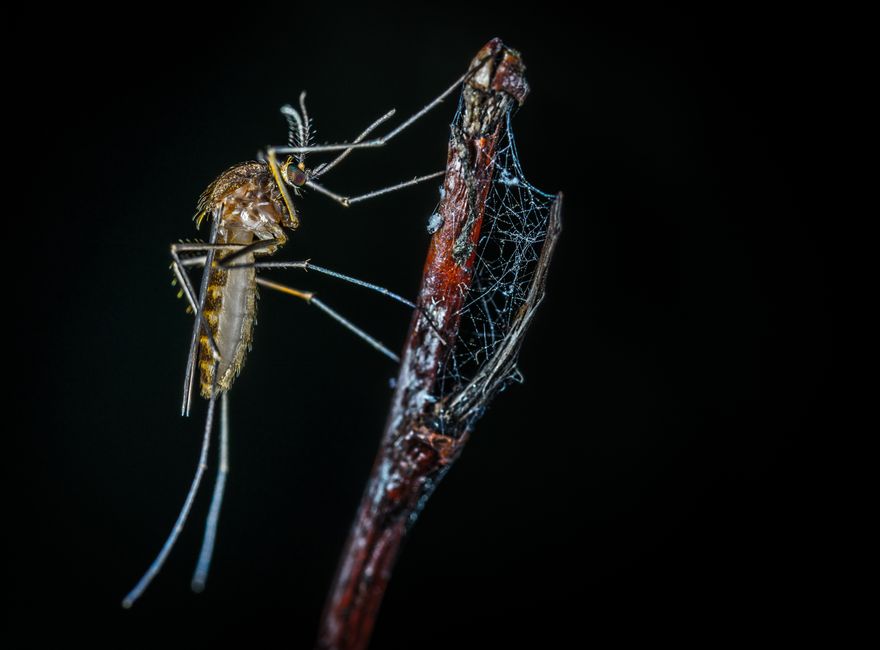
Mosquitoes are more than a nuisance. Their bites itch, and some species carry serious diseases. The most effective way to keep mosquitoes away is to use a combination of methods: apply an EPA-registered insect repellent to exposed skin, eliminate standing water around your home where they breed, and wear loose-fitting, long-sleeved clothing when you are outdoors. No single method works perfectly on its own, but layering these strategies dramatically reduces your chances of being bitten.
Why Do Mosquitoes Bite Some People More Than Others?
Mosquitoes find their targets through scent, heat, and vision. They are attracted to the carbon dioxide you exhale, body heat, and certain chemicals in your sweat. Research consistently shows that some people are simply more attractive to mosquitoes because of their natural body chemistry.
Body odor plays a large role. Specific compounds on human skin, like lactic acid and uric acid, draw mosquitoes in. Genetics influence how much of these compounds you produce. Blood type may also matter, though the evidence is less definitive. Some studies suggest mosquitoes prefer Type O blood, but this is not a factor you can change.
Pregnant women tend to attract more mosquitoes, likely because they exhale more carbon dioxide and run slightly warmer. People who are active outdoors also get bitten more because movement and sweat increase the signals mosquitoes track. This is biology, not a reflection of your hygiene.
Which Mosquito Repellents Actually Work?
When you buy a repellent, check the label for an EPA registration number. This number means the product has been reviewed for safety and effectiveness when used as directed. The most proven active ingredients are DEET, picaridin, and oil of lemon eucalyptus.
DEET has been used for decades and remains the gold standard. It is effective against a wide range of mosquito species and lasts for hours. Some people worry about DEET safety, but when applied according to label instructions, it is considered safe for adults and children over two months old. Lower concentrations, around 20 to 30 percent, provide adequate protection for most outdoor activities.
Picaridin is a strong alternative. It is nearly as effective as DEET but has a lighter feel and no odor. It also does not damage plastics or synthetic fabrics, which makes it a good choice if you wear technical clothing.
Oil of lemon eucalyptus, a plant-based option, offers protection comparable to low-dose DEET. It is not the same as pure lemon eucalyptus essential oil. The repellent version is a specific synthesized compound called PMD. Do not use oil of lemon eucalyptus on children under three years old.
Products containing IR3535 are also registered and effective, though less common in the US market. Natural repellents like citronella, lavender, and peppermint oils provide very short-lived protection, often less than 20 minutes. They are not reliable for extended time outdoors.
How Do You Keep Mosquitoes Away From Your Yard?
The most effective yard strategy is removing mosquito habitat. Mosquitoes need standing water to breed. A female mosquito can lay eggs in a container the size of a bottle cap. Walk your property and dump anything that collects water: flower pot saucers, buckets, children’s toys, and pet bowls.
Clean gutters regularly. Clogged gutters hold water and leaves, creating an ideal breeding site. Change the water in bird baths at least once a week. If you have a pond, stock it with fish that eat mosquito larvae, like goldfish or guppies. Or use a product containing Bacillus thuringiensis israelensis (BTI), a natural bacteria that kills larvae without harming other wildlife.
Keep grass mowed and shrubs trimmed. Mosquitoes rest in cool, damp, shaded areas during the day. Removing tall grass and dense vegetation gives them fewer places to hide. This does not kill mosquitoes, but it makes your yard less inviting.
Outdoor fans are an underrated tool. Mosquitoes are weak fliers. A strong breeze from a fan makes it physically difficult for them to reach you. This works well on patios and porches where you sit still for long periods.
Bug zappers are not effective. They kill thousands of insects, but studies consistently show that mosquitoes make up a very small fraction of the catch. Many of the insects zapped are beneficial species. The devices do not meaningfully reduce mosquito populations or bite rates.
Citronella torches and candles have a mild repellent effect, but only within a very small radius. The smoke itself may deter mosquitoes more than the citronella scent. They are a pleasant addition to an outdoor dinner, not a primary defense.


What Should You Wear to Prevent Mosquito Bites?
Clothing is a physical barrier. Mosquitoes can bite through tight-fitting fabrics like spandex or thin cotton. Wear loose-fitting, long-sleeved shirts and long pants. The loose fit creates a gap between the fabric and your skin, making it harder for the mosquito to reach you.
Light-colored clothing helps. Dark colors absorb heat and stand out against the sky, making you easier for mosquitoes to find. Light colors reflect heat and are less attractive. This is a modest effect, but every layer of protection counts.
You can treat clothing with permethrin, an insecticide that kills mosquitoes on contact. Permethrin-treated clothing remains effective through multiple washes. Do not apply permethrin directly to your skin. It is only for fabric. Many outdoor brands now sell pre-treated clothing, or you can buy a spray to treat your own gear.
Are Mosquito Repellent Devices and Apps Effective?
The market is full of gadgets claiming to repel mosquitoes. Most do not work. Ultrasonic devices that emit high-frequency sounds have been tested repeatedly. No reliable evidence shows they deter mosquitoes. Mosquitoes do not respond to those frequencies in a way that keeps them away.
Wearable ultrasonic devices, often sold as clip-on units, have the same problem. They lack scientific support. Smartphone apps that claim to emit mosquito-repelling sounds are also ineffective. The speakers on phones cannot produce the frequencies at meaningful volumes, and even if they could, the premise is flawed.
Mosquito traps that use carbon dioxide or heat to attract and capture mosquitoes can reduce local populations over time. They work by luring females away from you and trapping them. These devices are most useful in larger yards, but they require consistent maintenance and do not eliminate the problem entirely.
One device that does work is the mosquito coil. Coils burn slowly and release a smoke that repels mosquitoes. The active ingredients, often pyrethrins, are effective. The concern is the smoke itself, which can be irritating to lungs. Use coils outdoors in well-ventilated areas, not in enclosed spaces.
How Do You Keep Mosquitoes Away While Sleeping?
Mosquito nets are the most reliable protection while you sleep. A properly hung net over your bed, tucked in on all sides, creates a physical barrier that no repellent can match. This is especially important in areas where mosquito-borne diseases are present.
If you sleep with windows open, ensure screens are intact. A single tear is an open door. Repair any holes immediately. Air conditioning also keeps mosquitoes out. They prefer warm, humid air, and an air-conditioned room is less inviting.
For indoor protection, you can use a plug-in mosquito repellent that vaporizes a pyrethroid insecticide. These devices are effective in enclosed rooms. Follow the manufacturer’s instructions about room size and duration of use. If you are sensitive to chemicals, a bed net is a better option.
What Is the Best Way to Treat Mosquito Bites?
Even with the best prevention, bites happen. The itching comes from your immune system reacting to the mosquito’s saliva. Antihistamines, either oral or topical, reduce this reaction. Calamine lotion and hydrocortisone cream also relieve itching.
A cold compress provides immediate relief by numbing the area. Avoid scratching. Scratching breaks the skin and can lead to infection. Keep nails short and consider covering the bite with a bandage if you scratch in your sleep.
If a bite becomes unusually swollen, warm, or painful, or if you develop fever, headache, or body aches after being bitten, seek medical attention. These could be signs of an infected bite or a mosquito-borne illness.
Frequently Asked Questions
What is the most effective mosquito repellent?
DEET and picaridin are the most effective and best-studied repellents. Choose a concentration of 20 to 30 percent for reliable protection during outdoor activities.
Does vitamin B1 or garlic keep mosquitoes away?
No clinical evidence confirms that taking vitamin B1, garlic, or any other supplement makes you less attractive to mosquitoes. These claims are not supported by research.
How long does mosquito repellent last?
Most repellents last between two and six hours depending on the active ingredient and concentration. Reapply according to the label instructions, especially after sweating or swimming.
Can mosquitoes bite through clothing?
Yes, mosquitoes can bite through thin, tight-fitting fabrics. Wear loose, long-sleeved clothing and consider treating your clothes with permethrin for added protection.
