
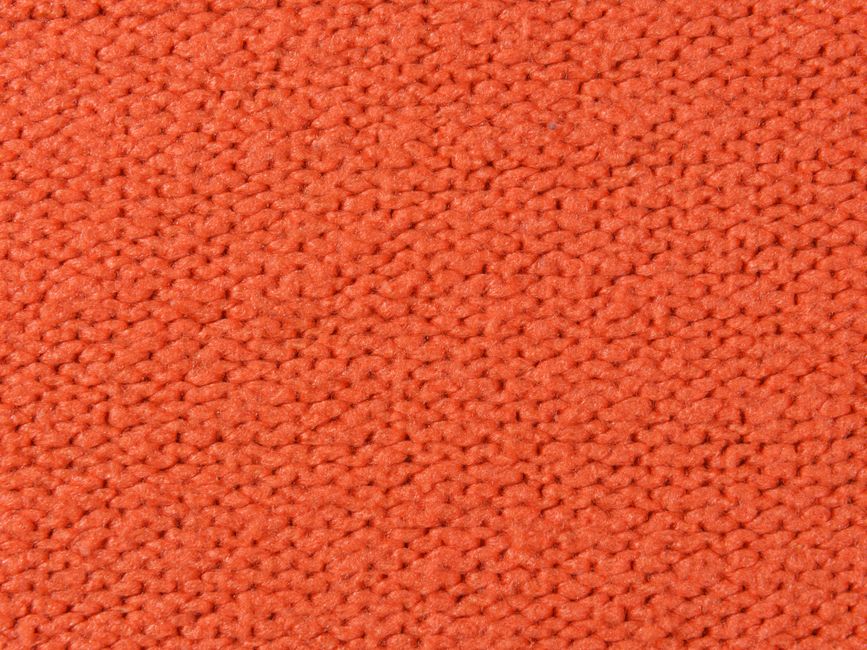
Knit fabric curls because of the way it is made. Each loop of yarn is bent into a curve, and those loops pull against each other. The fabric tries to return to the shape of the yarn, and the edges roll up. You can reduce curling by blocking the finished piece, adding a border, choosing a different stitch for the edges, or changing the yarn and needle size. No single fix works for every project, but most curling can be managed.
This is a normal property of knitted fabric, not a mistake you made. Understanding why it happens makes it easier to pick the right solution for your project.
Why Does Knit Fabric Curl At The Edges?
Every stitch in a knitted fabric is a loop of yarn. When that loop is formed, the yarn is forced into a curved shape. Yarn has some memory of its original form, and it wants to straighten back out. That pull is what causes stockinette stitch to roll.
Stockinette stitch is the most common culprit. It is made of alternating rows of knit and purl stitches. The knit side has vertical columns of V-shaped loops. The purl side has horizontal bumps. These two sides behave differently. The fabric curls toward the smooth knit side at the top and bottom edges, and it curls toward the bumpy purl side along the side edges. This is sometimes called stockinette curl.
The amount of curl depends on several things. Thinner yarn curls more. Looser gauge curls more. Yarn with more twist curls more. A tightly spun wool may curl differently than a loose cotton. This is why two people can knit the same pattern and get different results.
Garter stitch behaves differently. In garter stitch, every row is knit, so both sides look the same. The curl is much less. This is one reason garter stitch is often used for borders and edges.
How To Keep Knit Fabric From Curling At The Edges
There are several reliable ways to control curling. The best method depends on what you are making and how much time you want to spend.
Blocking
Blocking means wetting or steaming the finished fabric and pinning it flat to dry. This can relax the yarn and reduce curl. For natural fibers like wool, blocking can make a real difference. Wool fibers have scales that open and rebond when wet, so the fabric can hold a new shape.
Blocking works best on wool and other animal fibers. It does less for acrylic and other synthetic yarns. Synthetics are plastic-based and do not have the same ability to reform. You can steam acrylic gently, but too much heat can melt or damage the fibers. Always test on a small swatch first.
Blocking is not permanent for every fiber. Cotton and linen may curl again after washing. Wool holds its shape better. If you block a piece and it curls back later, you may need a different solution.
Adding A Border
A border adds weight and structure to the edges. This can hold the fabric flat. Common borders include garter stitch, seed stitch, and ribbing.
Garter stitch borders are simple and effective. Work the first and last few stitches of every row in knit, even if the rest of the row is stockinette. The garter stitch edge does not curl the same way, and it can anchor the rest of the fabric.
Seed stitch is another option. It alternates knit and purl stitches, which balances the pull from both sides. A seed stitch border of several stitches on each side can reduce rolling.
Ribbing is stretchy and is often used for cuffs, hems, and necklines. It pulls in, so it is not always the best choice for a flat edge. But for some projects, a ribbed border can work well.
Choosing A Different Stitch Pattern
If you do not want a border, you can change the whole stitch pattern. Garter stitch, seed stitch, and moss stitch all curl much less than stockinette. They are reversible and lie flat.
The trade-off is texture. These stitches look different from smooth stockinette. If you want the smooth look of stockinette, you will need another method.
Some patterns mix stitch types. For example, a scarf might use stockinette in the middle with garter stitch edges. This gives you the look you want with less curl.
Changing Yarn And Needle Size
Gauge matters. A looser gauge tends to curl more. If you go down a needle size or two, the fabric becomes denser and may curl less. This changes the drape and feel of the fabric, so it is not always a good option.
Yarn choice also matters. Yarns with more twist tend to curl more. Yarns with less twist may lie flatter. Wool often blocks well. Cotton and linen can be stiffer and may curl more. Blends behave differently depending on the fiber content.
There is no single best yarn for every project. The right choice depends on what you are making and how you plan to finish it.
Does Blocking Really Work For Curling?
Blocking can reduce curl, but it is not a permanent fix for every fiber. For wool and other animal fibers, wet blocking can relax the fibers and help the fabric hold a flatter shape. For acrylic and other synthetics, blocking has limited effect because these fibers do not reform the same way.
Some knitters report that blocking works well on wool but does little for cotton. Cotton fibers do not have the same scales as wool, so they do not bond together when wet. Cotton may lie flat while damp but curl again after washing.
Steam blocking can help acrylic, but you must be careful. High heat can damage synthetic fibers. Hold the iron above the fabric and let the steam do the work. Do not press directly unless the yarn label says it is safe.
If blocking does not work, you may need a border or a different stitch pattern. Blocking is one tool, not a cure-all.





What Stitches Curl The Least?
Garter stitch curls the least. Every row is knit, so both sides are the same. The fabric lies flat.
Seed stitch and moss stitch also lie flat. They alternate knit and purl stitches in a way that balances the pull from both sides.
Ribbing lies flat but pulls in. It is stretchy and is often used for cuffs and hems, not for flat pieces.
Stockinette curls the most. This is the stitch most people think of when they picture knitting, but it is also the one that rolls at the edges.
If you want a flat fabric with no border, choose garter, seed, or moss stitch. If you want stockinette, plan for a border or blocking.
Can You Prevent Curling Before You Start Knitting?
Yes. The best time to prevent curling is before you cast on. Here are some steps you can take.
- Swatch first. Knit a small sample in the yarn and stitch pattern you plan to use. Wash and block it. See how it behaves. This takes time but saves frustration.
- Choose a stitch pattern that lies flat. Garter, seed, and moss stitch are good choices for edges or whole projects.
- Plan a border. Decide before you start how wide the border will be and what stitch you will use.
- Check your gauge. A tighter gauge may curl less. A looser gauge may curl more.
- Consider the fiber. Wool blocks well. Cotton and acrylic may be harder to tame.
Swatching is the most reliable way to know how your project will behave. It is not glamorous, but it works.
When Should You Just Accept The Curl?
Sometimes curl is part of the design. A rolled edge on a scarf or blanket can look intentional. Many patterns use the natural roll of stockinette as a feature.
If you are making a piece where curl does not matter, you can skip the extra steps. A blanket that will be folded or draped may not need a flat edge. A scarf that hangs may look fine with a roll.
The decision depends on what you are making and how you want it to look. There is no rule that says all knit fabric must lie flat.
What About Commercial Knit Fabrics?
Commercial knit fabrics are often finished with heat, chemicals, or mechanical processes to control curl. This is not something a home knitter can easily replicate. Factory-finished fabrics may have a different feel and behavior than hand-knit pieces.
If you are sewing with commercial knit fabric, you may notice it curls less than hand-knit stockinette. This is because of how it was made and finished. It does not mean your hand-knit piece is wrong. It just means the two are made differently.
Frequently Asked Questions
Why does my knit fabric curl at the edges?
Knit fabric curls because the yarn loops want to return to their original shape. Stockinette stitch curls the most because the knit and purl sides pull in different directions.
Does blocking stop knit fabric from curling?
Blocking can reduce curl in wool and other animal fibers, but it has limited effect on acrylic and cotton. It is not a permanent fix for every yarn.
What is the best border to stop curling?
Garter stitch and seed stitch are common choices because they lie flat and balance the pull of the fabric. The best border depends on your project and the look you want.
Can I stop acrylic yarn from curling?
Acrylic is harder to flatten because the fibers do not reform like wool. A border or a different stitch pattern may work better than blocking.
