
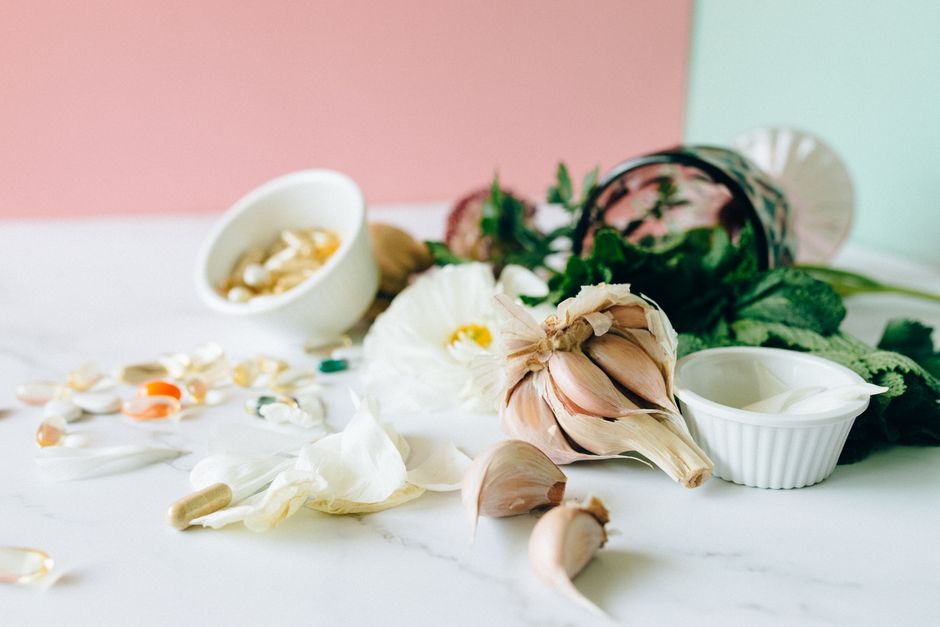
Garlic keeps best when it is stored whole, dry, and in the dark. A whole bulb left in a cool, airy spot — around 60 to 65°F with low humidity — can last several months. Once you break the bulb apart or chop a clove, the clock speeds up fast: peeled cloves last about a week in the fridge, and chopped garlic a few days at most.
The reason comes down to how the bulb is built. Each clove is wrapped in papery skin that holds in moisture and keeps air out. Break that seal and the clove starts to dry out, sprout, or grow mold. The single biggest mistake people make is storing garlic in a sealed plastic bag or the fridge crisper, which traps moisture and turns a good bulb soft and moldy in weeks.
How Do You Keep Garlic Fresh the Longest?
Whole bulbs, kept dry and out of the light, hold their quality longer than any other form. Light and moisture are the two things that push garlic toward sprouting and rot, so your goal is to keep both away.
An open basket, a mesh bag, or a paper bag with the top folded loosely all work well. Air needs to move around the bulbs. A dark cabinet, a pantry shelf, or a garage that stays cool and dry are all reasonable spots. What you want to avoid is anything that seals the garlic in.
Skip the plastic bag and the sealed container. They trap the moisture garlic releases, and that moisture is what feeds mold. Skip the refrigerator for whole bulbs too — cold and damp is the opposite of what cured garlic wants.
There is one wrinkle worth knowing. The garlic sold in most US supermarkets is usually a softneck variety bred to store well. Hardneck garlic, the kind with a stiff central stalk, tends to have a shorter shelf life and is often sold at farmers markets. If your garlic keeps going soft in a few weeks, the variety may be part of the reason.
Should You Store Garlic in the Fridge or Freezer?
The fridge is the wrong place for whole bulbs and the right place for peeled or chopped garlic you plan to use soon. The freezer is the best option for garlic you want to keep for months.
Whole bulbs in the fridge go soft and moldy faster because of the damp, cold air. Peeled cloves in the fridge, on the other hand, need that cold to slow spoilage. Put them in a covered container and use them within about a week. Chopped garlic is more perishable still — a few days in the fridge is the realistic window.
For freezing, whole peeled cloves freeze well and keep for months. You can freeze them on a tray first so they do not clump, then move them to a freezer bag. Chopped garlic freezes well too, and some people freeze it in ice cube trays with a little oil.
One safety note that matters here. Garlic stored in oil at room temperature can support the growth of Clostridium botulinum, the bacteria behind botulism. Homemade garlic-in-oil mixtures are not safe to leave out. If you make them, keep them refrigerated and use them within a few days, or freeze them. Commercial garlic-in-oil products are acidified or otherwise treated to prevent this, so they are a different situation.
How Long Does Garlic Last?
Storage life depends almost entirely on the form. Here is a practical breakdown.
| Form of garlic | Typical storage | Where |
|---|---|---|
| Whole bulb | Several months | Cool, dark, dry, ventilated |
| Separated but unpeeled cloves | Weeks | Cool, dark, dry |
| Peeled cloves | About 1 week | Refrigerator, covered |
| Chopped garlic | A few days | Refrigerator, covered |
| Frozen peeled or chopped garlic | Several months | Freezer |
These are general ranges, not guarantees. A bulb that was already old when you bought it will not last as long as a fresh one. Heat and humidity shorten every one of these windows. So does damage to the cloves.




How Can You Tell If Garlic Has Gone Bad?
Your senses will tell you. The signs are usually obvious before the garlic becomes a health risk.
- Soft or mushy cloves. Fresh garlic is firm. A clove that gives under light pressure is past its prime.
- Green sprouts. A small green shoot means the clove is older. It is not spoiled, but the flavor turns sharper and more bitter.
- Brown spots or mold. Fuzzy or dark patches mean it is time to throw it out. Mold can spread through a whole bulb.
- Wrinkled, papery skin. Dry, shriveled cloves have lost their moisture and much of their flavor.
- A sour or musty smell. Fresh garlic smells sharp and clean. An off smell is a clear sign to discard it.
If one clove in a bulb is moldy, check the rest carefully. Mold spores spread, and a bulb that looks mostly fine can have more than you can see. When in doubt, throw it out — a bulb of garlic is not worth the risk.
Does Chopping or Peeling Change How Long Garlic Keeps?
Yes, and the change is dramatic. Peeling and chopping remove the protective skin and expose the inside of the clove to air, which speeds up both drying and spoilage.
There is a second effect worth knowing. When you chop or crush garlic, an enzyme called alliinase is released and converts compounds in the clove into allicin, the sulfur compound largely responsible for garlic’s smell and much of its studied biological activity. This reaction is why fresh chopped garlic smells so much stronger than a whole clove. It also means chopped garlic is more chemically active — and more perishable — than the intact clove.
This is one reason fresh chopped garlic does not keep long. If you want to prep ahead, freezing chopped garlic preserves it far better than the fridge. Some research suggests that letting chopped garlic rest for a short time before cooking may help preserve some of its active compounds, since heat can reduce allicin formation. The practical takeaway is simple: chop garlic close to when you will cook it, and freeze any extra.
What About Garlic Powder and Other Forms?
Dried forms of garlic keep far longer than fresh, as long as they stay dry. Garlic powder, granulated garlic, and dried minced garlic typically keep for a year or more in a sealed container in a cool, dark place.
Keep moisture out. A steamy kitchen or a spot near the stove shortens their life. If the powder clumps or loses its smell, it has lost its flavor too.
Garlic paste in a jar and pre-minced garlic packed in liquid are convenient but more perishable than dry forms. Follow the label for storage and use-by guidance, and refrigerate after opening. These products are also usually milder than fresh garlic, since processing reduces the compounds that give fresh garlic its bite.
Why Does Garlic Sprout, and Can You Still Use It?
Garlic sprouts because it is a living bulb. Given warmth and time, each clove tries to grow a new plant, sending up a green shoot. This is normal, not a sign of spoilage.
Sprouted garlic is safe to eat. The trade-off is flavor. As the sprout grows, it draws energy and moisture from the clove, so the garlic becomes milder, more bitter, and slightly tougher. Many cooks cut out the green shoot before using the clove. Cold storage slows sprouting, which is one reason a cool pantry beats a warm one.
If the garlic has sprouted and also turned soft, moldy, or sour-smelling, then it has moved past sprouting into spoilage and should be discarded.
Frequently Asked Questions
How do you keep garlic fresh for months?
Keep whole bulbs in a cool, dark, dry place with good airflow, such as an open basket or mesh bag in a pantry. Avoid plastic bags, sealed containers, and the refrigerator, which trap moisture and cause mold.
Should garlic be stored in the fridge?
Whole bulbs should not go in the fridge, but peeled or chopped garlic should. Store peeled cloves covered in the refrigerator and use them within about a week.
Can you freeze garlic?
Yes, and freezing is the best way to keep garlic for months. Whole peeled cloves and chopped garlic both freeze well in an airtight freezer bag.
Is garlic in oil safe to keep at room temperature?
No. Garlic stored in oil at room temperature can support the growth of the bacteria that cause botulism. Keep homemade garlic-in-oil refrigerated and use it within a few days, or freeze it.
