
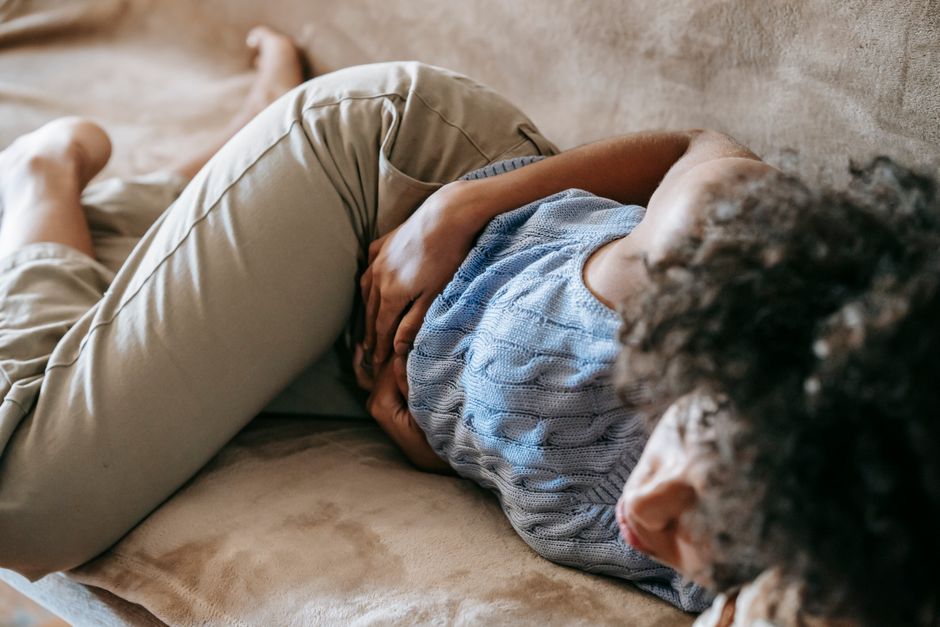
Period pain is one of the most common reasons people miss work or school, yet most accept it as a normal part of their cycle. It doesn’t have to be that way. While the word “forever” is ambitious, most people can reduce their pain significantly—and for many, eliminate it entirely—through a combination of proven natural methods and lifestyle changes. The key is understanding what drives the pain and targeting those mechanisms directly.
What Actually Causes Period Pain?
Period pain, medically called dysmenorrhea, happens when the uterus contracts to shed its lining. Those contractions are triggered by hormone-like substances called prostaglandins. Higher prostaglandin levels mean stronger contractions, which squeeze blood vessels and temporarily cut off oxygen to the uterine muscle. That lack of oxygen is what you feel as cramping.
This is not in your head, and it is not “just part of being a woman.” It is a measurable physiological process. Understanding that matters because it tells you which remedies will actually work. Anything that lowers prostaglandin production or improves blood flow to the pelvic area has a real chance of helping.
Primary dysmenorrhea—pain without an underlying condition—typically starts one to two days before bleeding and lasts two to three days. If your pain is severe, lasts longer, or starts before age 20 and worsens over time, that may be secondary dysmenorrhea. That means a condition like endometriosis or fibroids could be involved, and natural remedies alone may not be enough.
Heat Therapy: The Simplest Proven Option
Heat is not a folk remedy. It has actual clinical backing. A heating pad or warm bath relaxes the uterine muscle and increases blood flow to the area, which directly counters the oxygen deprivation causing your cramps.
Studies have compared heat therapy to over-the-counter pain relievers and found it works as well or better for some people. A continuous low-level heat patch applied to the lower abdomen works within hours. A hot water bottle works too, but the key is consistency—apply it for at least 30 minutes, not just a quick five-minute press.
One practical tip: heat works best when applied before the pain peaks. If you know your cramps start on day one or two, start applying heat a few hours before you expect them. This is one of the few remedies where the timing genuinely matters.
Anti-Inflammatory Foods and Diet Changes
Prostaglandins are produced from fatty acids in your diet. That means what you eat in the week before your period can influence how much pain you feel. This is not speculation—the biochemical pathway is well established.
Omega-3 fatty acids compete with the inflammatory fats that produce prostaglandins. Research published in the American Journal of Clinical Nutrition found that women who consumed more omega-3s reported less menstrual pain. Good sources include fatty fish like salmon and sardines, flaxseeds, chia seeds, and walnuts.
Reducing inflammatory foods matters too. Processed meats, refined sugar, and excessive dairy can increase inflammatory markers in the body. You do not need to eliminate them forever. Cutting back in the week before your period is enough for many people.
Ginger deserves special mention. Multiple trials have found that ginger powder—about 750 mg to 2 grams per day during the first three to four days of menstruation—reduces pain severity comparable to ibuprofen in some studies. It appears to work by reducing prostaglandin production, much like NSAID medications do.


Magnesium: The Mineral Most People Lack
Magnesium plays a direct role in muscle relaxation. When magnesium levels are low, muscles contract more easily and more forcefully. That includes the uterine muscle.
Several clinical trials have shown magnesium supplementation reduces period pain intensity and duration. It also helps with the muscle tension that contributes to lower back pain during periods. The evidence is strong enough that magnesium is often recommended as a first-line natural option.
Typical dosing in studies ranges from 200 to 400 mg per day, starting a few days before your period and continuing through the first few days of bleeding. Magnesium glycinate and magnesium citrate are better absorbed than magnesium oxide. One caution: magnesium can cause loose stools, especially at higher doses. Start at the lower end and increase gradually.
Food sources include dark leafy greens, pumpkin seeds, almonds, and black beans. But reaching therapeutic levels through food alone is difficult, which is why supplementation is often more practical.
Exercise: Counterintuitive But Effective
Exercising when you are cramping is the last thing you want to do. But the evidence is clear: regular physical activity reduces period pain over time, and even light exercise during your period can provide immediate relief.
Exercise works through several mechanisms. It releases endorphins, which are natural painkillers. It improves pelvic blood flow, which helps clear the prostaglandins causing your cramps. And it reduces overall inflammation in the body.
The type of exercise matters less than consistency. A 2020 review of multiple studies found that aerobic exercise—brisk walking, swimming, cycling—performed three times per week for 30 to 45 minutes significantly reduced menstrual pain after two to three cycles. Yoga specifically has also been studied, with some trials showing it reduces both pain intensity and duration.
During your period, gentle movement like walking or stretching is better than intense workouts. The goal is blood flow, not performance. If you cannot exercise during your period, focus on the two weeks before it. That is when the protective effect builds.
Herbal Remedies: What Works and What Does Not
Herbal remedies are popular, but the evidence is uneven. Some have genuine clinical support. Others are marketing claims with no research behind them.
Chamomile tea has some evidence. A 2010 study found that drinking chamomile tea for 30 days reduced menstrual pain severity and the need for pain medication. The effect is modest but real. The same applies to fennel seed extract, which has been studied in multiple trials and appears to reduce cramping by relaxing the uterine muscle.
Cinnamon has also been studied. One trial found that cinnamon capsules taken during the first three days of menstruation reduced pain, nausea, and bleeding volume. The effect was comparable to ibuprofen in that specific study.
What does not have evidence? Raspberry leaf tea is widely promoted for period pain and labor preparation, but no high-quality clinical trials confirm it reduces menstrual cramps. Evening primrose oil is also commonly recommended, but research results are mixed at best. Some studies show benefit, others show none. The evidence does not currently support it as a reliable option.
One important warning: herbal supplements are not regulated like medications. Their potency varies between brands, and they can interact with prescription drugs. If you take blood thinners, hormonal birth control, or antidepressants, talk to a pharmacist before adding herbal remedies.
How To Stop Period Pain Forever With Natural Remedies: A Realistic Plan
No single remedy works for everyone. The people who eliminate period pain entirely usually combine several approaches. Here is a realistic framework based on the evidence.
Start with the foundation: daily exercise, adequate magnesium intake, and an anti-inflammatory diet. These are the long-term changes that reduce prostaglandin production over months. Expect improvement after two to three cycles, not immediately.
Add acute strategies for the days you actually have pain: heat therapy starting before cramps peak, ginger or chamomile tea during the first few days, and gentle movement. These provide relief within hours.
Track your pain for at least three cycles. Note the severity, duration, and which remedies you used. This tells you what works for your body specifically. What works for a friend may not work for you, and that is normal.
If you have tried these approaches consistently for three to four cycles and your pain is unchanged or worsening, see a healthcare provider. Natural remedies are not a substitute for medical evaluation, especially if an underlying condition like endometriosis is present. In that case, the right answer may be hormonal treatment or surgery, not another herbal tea.
When Natural Remedies Are Not Enough
Natural approaches can reduce pain for most people, but they do not help everyone. If your pain is severe enough to interfere with daily life despite consistent natural management, that is a medical issue, not a personal failing.
Over-the-counter NSAIDs like ibuprofen or naproxen are the first-line medical option. They work by directly blocking prostaglandin production—the same mechanism targeted by diet and herbal approaches. Taken at the first sign of pain, they are highly effective for most people.
Hormonal birth control is another option. It reduces or eliminates ovulation and thins the uterine lining, which means less prostaglandin production and less cramping. Some people also benefit from prescription-strength NSAIDs or targeted physical therapy for pelvic floor dysfunction.
Severe pain that does not respond to NSAIDs or hormonal treatment warrants further investigation. Endometriosis affects roughly 1 in 10 women of reproductive age, and the average time to diagnosis is seven to ten years. If you suspect something beyond normal period pain, push for a referral to a gynecologist who specializes in pelvic pain.
Frequently Asked Questions
Can period pain go away permanently?
For many people, yes, with consistent natural management. Pain often also changes after pregnancy or as you approach menopause, but that is not something you can control.
How long do natural remedies take to work?
Heat, ginger, and chamomile work within hours for acute pain. Dietary changes, exercise, and magnesium take two to three menstrual cycles to show full effect.
Is it safe to take magnesium every day for period pain?
Daily magnesium at 200 to 400 mg is generally safe for healthy adults, but it can cause loose stools at higher doses. Check with your doctor if you have kidney issues or take other medications.
What is the fastest way to stop period cramps naturally?
Heat applied to the lower abdomen is the fastest natural option, working within 20 to 30 minutes. Combined with ginger tea, it covers both muscle relaxation and prostaglandin reduction.
