
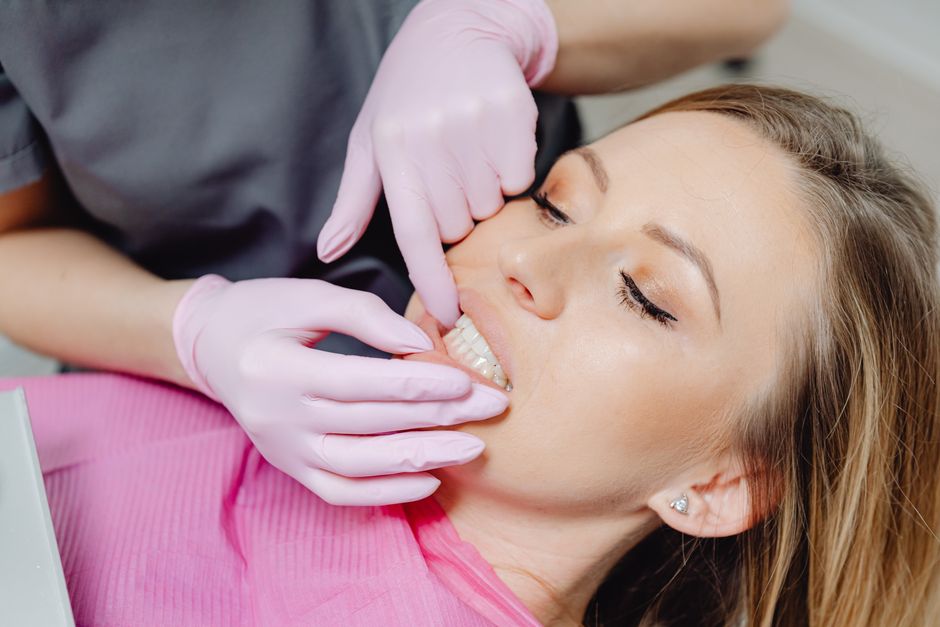
Many people search for ways to grow back receding gums at home. The short answer is that once gum tissue is lost, it does not grow back on its own. No home remedy or over-the-counter product has been shown to regenerate lost gum tissue. However, there are effective treatments that can stop the recession from getting worse, and some dental procedures can cover the exposed roots. Understanding what actually works can save you time, money, and further damage to your teeth.
What Causes Gums to Recede in the First Place?
Gum recession happens when the margin of the gum tissue that surrounds the teeth wears away or pulls back. This exposes the tooth root, which is not protected by enamel. The root is more sensitive to hot and cold, and it is more vulnerable to decay.
The most common cause is periodontal disease, which is a bacterial infection that destroys gum tissue and the bone that holds teeth in place. Aggressive tooth brushing is another leading cause. Brushing with a hard-bristled brush or using too much pressure can literally scrub the gums away over time.
Other contributing factors include genetics, teeth grinding, misaligned teeth, and tobacco use. Some people are simply born with thin gum tissue that is more prone to recession. Hormonal changes in women can also make gums more sensitive and vulnerable.
Why Home Remedies Cannot Regrow Gum Tissue
Gum tissue is made of specialized cells that do not regenerate the way skin does. When gum tissue is lost, the body cannot rebuild it. This is a biological fact, not a limitation of current treatments.
Many websites sell oils, gels, and supplements claiming to regrow gums. No clinical evidence supports these claims. Some products may reduce inflammation or kill bacteria, which can improve gum health, but they will not replace lost tissue. If a product claims to regrow gums, it is not backed by science.
What home care can do is prevent further recession. Good oral hygiene, a soft toothbrush, and proper brushing technique can stop the problem from advancing. This is important, but it is not the same as regrowth.
What Actually Stops Gum Recession from Getting Worse
Stopping the cause is the first step. If you brush too hard, switch to a soft-bristled toothbrush and hold it like a pen. Use gentle, circular motions rather than sawing back and forth. Many dentists recommend an electric toothbrush with a pressure sensor that alerts you when you are brushing too hard.
If gum disease is the cause, professional treatment is necessary. A dentist or periodontist can perform a deep cleaning called scaling and root planing. This removes plaque and tartar from below the gumline and smooths the root surface so bacteria have a harder time attaching. This procedure does not regrow gums, but it stops the infection from destroying more tissue.
Good daily habits matter too. Flossing once a day and using an antiseptic mouthwash can reduce the bacterial load in your mouth. Quitting tobacco is essential for anyone with gum disease, as smoking impairs blood flow to the gums and slows healing.




Dental Procedures That Cover Exposed Roots
When gum recession is significant, a periodontist can perform a gum graft. This procedure takes tissue from the roof of your mouth or a donor source and stitches it over the exposed root. The graft protects the root from decay and reduces sensitivity. This is the only way to physically cover exposed roots with new tissue.
Another option is the pinhole surgical technique, which is a minimally invasive procedure. The dentist makes a small hole in the gum and uses special instruments to gently loosen and slide the gum tissue down over the exposed root. This procedure does not require cutting or stitches in most cases.
These procedures are not home remedies. They are surgical treatments performed by trained dental professionals. Recovery time varies, but most people return to normal activities within a few days.
Can Toothpaste or Mouthwash Help?
Some toothpastes are formulated for sensitive teeth and contain ingredients that block the tiny tubes in the root that transmit pain signals. These products can reduce sensitivity, but they do not regrow gum tissue.
Some mouthwashes contain antibacterial agents that can help control gum disease. Chlorhexidine is a prescription mouthwash that is effective against the bacteria that cause periodontitis. It is typically used for short periods under a dentist’s supervision because long-term use can stain teeth.
Desensitizing agents and antibacterial rinses are useful tools, but they are not cures for recession. They manage symptoms and support gum health but cannot replace lost tissue.
Natural Ingredients and What the Evidence Says
Some natural ingredients have genuine anti-inflammatory properties. Aloe vera gel, for example, has been studied for its ability to reduce gum inflammation. Green tea contains compounds called catechins that may help control periodontal bacteria. Coenzyme Q10 has been studied for its role in gum health, but the evidence is not strong enough to recommend it as a treatment.
Oil pulling is a traditional practice of swishing oil in the mouth for 15-20 minutes. Some research suggests it can reduce plaque and gingivitis, but it has never been shown to regrow gum tissue. It is not a substitute for brushing and flossing.
Salt water rinses can soothe inflamed gums and help clean the area after dental procedures. They are safe and inexpensive, but again, they do not regrow tissue.
Be cautious with any natural remedy that promises regrowth. The evidence simply does not exist. Use these products for their proven benefits — reducing inflammation, controlling bacteria, and soothing tissue — and see a dentist for the structural problems.
When to See a Dentist
You should see a dentist if you notice any of these signs: teeth that look longer than they used to, sensitivity to hot or cold, a visible notch at the gumline, or bleeding when you brush. These are signs that recession is happening or advancing.
Early treatment is easier and less expensive than waiting. A dentist can measure the depth of the pockets around your teeth and determine the extent of bone loss. This information guides the treatment plan.
Do not wait for pain to force you into the dental chair. Recession often progresses silently. By the time it hurts, the damage may be significant.
Prevention Is the Best Treatment
The most effective strategy is to prevent recession before it starts. Use a soft toothbrush. Brush gently for two minutes twice a day. Floss daily. See your dentist for regular cleanings and checkups.
If you grind your teeth at night, talk to your dentist about a night guard. Grinding puts excessive force on the teeth and can contribute to recession. A custom-fitted guard protects your teeth and gums from this damage.
If you smoke, quitting is one of the most important things you can do for your gums. Smoking restricts blood flow, which impairs the body’s ability to fight infection and heal damaged tissue.
Maintaining good gum health is a lifelong commitment. There is no quick fix, but consistent care prevents most problems.
Frequently Asked Questions
Can gums grow back naturally?
No, gum tissue does not regenerate on its own once it is lost. Home remedies can improve gum health but cannot replace lost tissue.
What is the best home remedy for receding gums?
Salt water rinses and good oral hygiene can reduce inflammation and prevent further recession. No home remedy can regrow gum tissue.
How much does a gum graft cost?
The cost varies widely by location and the extent of the procedure, typically ranging from several hundred to a few thousand dollars per tooth. Dental insurance may cover part of the cost if the procedure is medically necessary.
Does oil pulling help receding gums?
Oil pulling may reduce plaque and inflammation, but it has not been shown to regrow gum tissue. It is not a substitute for professional dental care.
