
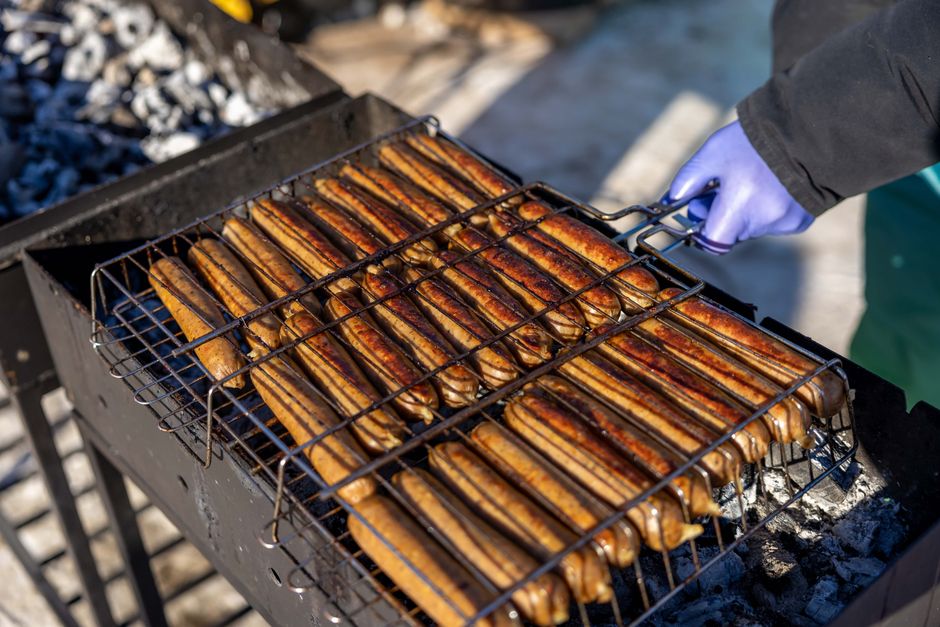
Cooking sausage links well comes down to method and temperature. You can pan-fry, bake, grill, or simmer them, and each way works. The most important rule for every method is the same: cook sausage links until the internal temperature reaches 160°F for pork and beef, or 165°F for poultry. Use an instant-read thermometer to check. This guide covers the best ways to cook sausage links and how to avoid the common mistakes that lead to burnt outsides and raw centers.
Why Sausage Links Burst or Burn Unevenly
Sausage links are a mixture of ground meat, fat, and seasonings stuffed into a casing. The casing holds the filling together but it reacts to heat differently than the meat inside does. High heat makes the casing contract and the fat inside expand. That pressure is what causes casings to split open.
When a casing bursts, the juices and fat escape into the pan. The sausage becomes drier, and the fat can burn and smoke. This is why cooking sausage links over high heat is the most common mistake. The outside browns quickly while the inside stays undercooked.
Moderate heat gives the heat time to travel to the center without destroying the casing. Most sausages need about 12 to 20 minutes of cooking time depending on thickness and method. Thicker links take longer. Fresh raw sausages take longer than pre-cooked or smoked varieties.
How Do You Cook Sausage Links in a Pan
Pan-frying is the fastest method for getting a browned exterior. Place the links in a cold or medium skillet. Do not preheat the pan to high. Add about a quarter cup of water or broth to the pan to start. This gentle moisture helps the interior cook before the outside gets too dark.
Cover the pan and cook over medium heat for about 5 to 7 minutes. The water will steam the sausages and start cooking them through. Remove the lid once the liquid has evaporated and let the links brown in their own rendered fat. Turn them frequently so each side gets even color.
Total cooking time is usually 12 to 15 minutes for standard pork links. Check the internal temperature before serving. If the outside is browning too fast but the center is not done, lower the heat and cover the pan again for a few more minutes.
Do not prick the sausages with a fork. Piercing the casing drains the juices and makes the sausage dry. The old advice to prick sausages came from an era when casings were less predictable. Modern casings do not need it.
How to Bake Sausage Links in the Oven
Baking is the most hands-off method. It works well for large batches and requires no constant attention. Preheat the oven to 400°F. Place the links on a rimmed baking sheet lined with parchment paper or aluminum foil. Leave space between each link so the heat circulates evenly.
Bake for 20 to 25 minutes, turning the links once halfway through. The turning helps the browning stay even. If you prefer more color, switch the oven to broil for the final 2 to 3 minutes and watch them closely. Broilers can burn sausages quickly.
Oven temperature can vary by a few degrees between models. Check the internal temperature at the 20-minute mark. Thick sausages or fully frozen links may need the full 25 minutes or slightly longer. Sausages that are already fully cooked only need to be heated through to 140°F for hot holding, but following the 160°F standard for raw meat is safest.





Grilling Sausage Links Without Burning Them
Grilling adds a smoky flavor that pan-frying cannot match. But direct high heat is the quickest way to char the outside while leaving the middle raw. Use a two-zone fire. Set up the grill so one side is hot and the other side is cooler. Start the sausages on the cooler side with the lid closed.
Let them cook indirectly for about 10 to 12 minutes. This brings the internal temperature up gradually. Move them over the direct heat for the last 3 to 5 minutes to get grill marks and browning. Turn them frequently during this final stage.
Keep the grill lid closed as much as possible during the indirect phase. The trapped heat cooks the sausages more evenly. If flare-ups happen, move the links back to the cooler side immediately. Flames come from rendered fat dripping onto the coals or burners, and they will blacken the casing fast.
Can You Boil Sausage Links First
Boiling or simmering sausage links before finishing them in a pan is a legitimate technique. It is not the same as cooking them entirely in water. Simmering gently cooks the center without any risk of burning the casing. Then a quick sear adds the browning that boiled sausages lack.
Place the links in a pot and cover them with water, broth, or beer. Bring the liquid to a gentle simmer, not a rolling boil. A hard boil can make the casings split. Simmer for 8 to 10 minutes for raw sausages. Remove them, pat them dry, and finish them in a hot skillet for 3 to 4 minutes per side.
This method is especially useful for thick sausages or when you are cooking a large batch and want them all evenly cooked before browning. Beer and broth add flavor that plain water does not. The liquid can be discarded after cooking or reduced into a pan sauce.
How to Tell When Sausage Links Are Fully Cooked
The only reliable way to know a sausage is done is to measure the internal temperature. Color is not a dependable indicator. A sausage can look brown and ready while the center is still pink. Some sausages stay slightly pink inside even when fully cooked due to spices like paprika or curing salts.
Insert an instant-read thermometer into the end of the sausage or through the side into the center. Avoid touching the casing or the pan with the thermometer tip, or you will get a false reading. Pork, beef, and veal sausages must reach 160°F. Chicken and turkey sausages must reach 165°F.
Let the sausages rest for 3 to 5 minutes after cooking. The internal temperature continues to rise slightly during this time. Resting also lets the juices redistribute so the sausage is more moist when you cut into it.
Frozen Sausage Links: Do You Need to Thaw First
You can cook frozen sausage links without thawing, but the cooking time increases by about 50 percent. Do not use high heat to compensate. The outside will burn before the frozen center thaws and cooks. Use the same moderate heat methods described above and simply allow more time.
For pan-frying frozen links, add the water step and keep the pan covered longer. For baking, add 10 to 15 minutes to the total time. Always verify doneness with a thermometer because frozen meat can be deceptive. The outside may look done while the center is still cold and raw.
Thawing in the refrigerator overnight is the safer option if you have time. Thawed sausages cook more evenly and faster. Never thaw sausages on the counter at room temperature. Bacteria grow rapidly in the temperature danger zone between 40°F and 140°F.
Safety Tips for Handling Raw Sausage
Raw sausage is ground meat, which means bacteria from the surface can be mixed throughout the interior. This is why sausage must be cooked to the full recommended internal temperature. Unlike a whole steak where searing the surface kills surface bacteria, ground meat requires thorough cooking throughout.
Wash your hands with soap and water after touching raw sausage. Use separate cutting boards and utensils for raw meat and ready-to-eat foods. Do not reuse a plate that held raw sausages for the cooked links without washing it first.
Refrigerate leftover cooked sausages within two hours of cooking. They will keep for 3 to 4 days in the refrigerator. Reheat leftovers to an internal temperature of 165°F. If sausages have been left out longer than two hours at room temperature, discard them.
Frequently Asked Questions
What is the best way to cook sausage links?
Pan-frying with a small amount of water over medium heat is the most reliable method. It cooks the center evenly and then browns the outside without burning.
How long do sausage links take to cook?
Standard pork links take 12 to 15 minutes in a pan and 20 to 25 minutes in a 400°F oven. Always confirm doneness with a thermometer rather than relying only on time.
Do you need to prick sausage links before cooking?
No. Piercing the casing lets the juices escape and makes the sausage dry. Modern casings do not need to be pricked.
What temperature should cooked sausage links reach?
Pork, beef, and veal sausages need to reach 160°F internally. Chicken and turkey sausages need to reach 165°F.
