
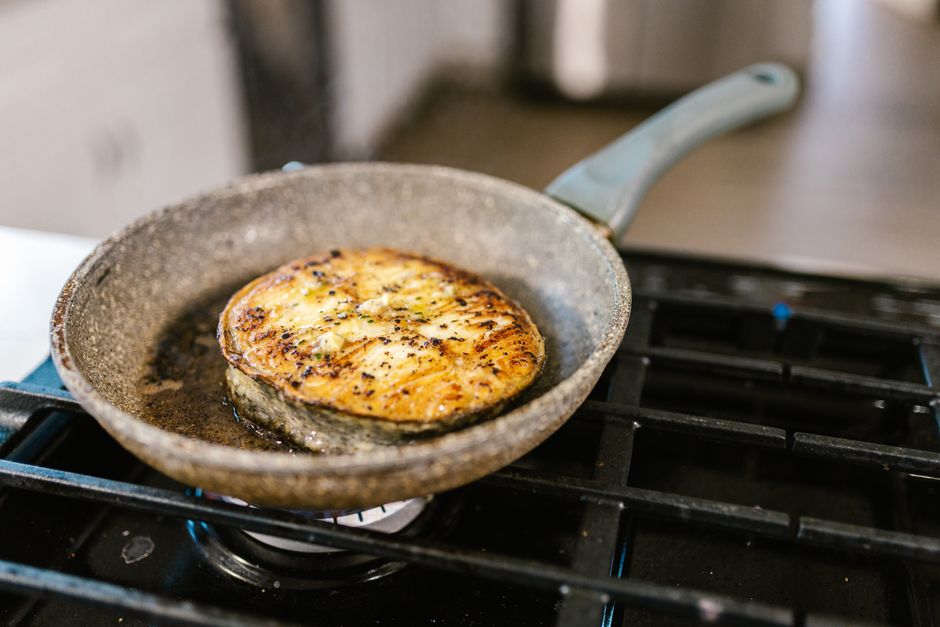
At 350°F, salmon typically takes 12 to 15 minutes per inch of thickness. For a standard 1-inch fillet, bake for 12 to 15 minutes. Use a food thermometer to check for doneness. The internal temperature should reach 145°F for safety. This guide explains how thickness, starting temperature, and cooking method affect the time. You will also learn how to tell when salmon is perfectly cooked without guesswork.
How Long To Cook Salmon At 350?
The most important factor is the thickness of the fillet. Measure the thickest part of the salmon. For every inch of thickness, bake at 350°F for 12 to 15 minutes. A 1-inch fillet takes about 12 minutes for medium and 15 minutes for well-done. A 1.5-inch fillet needs 18 to 22 minutes. Thin tails or belly pieces less than ½ inch may only need 8 to 10 minutes.
Starting temperature also matters. If the salmon is cold from the refrigerator, use the longer end of the range. If it sits at room temperature for 15 minutes before cooking, use the shorter end. Never leave raw fish out for more than two hours.
Baking uncovered in a preheated oven gives the most consistent results. Cooking time varies slightly between conventional ovens. A convection oven may cook 20% faster, so check for doneness about 2 minutes earlier than the recipe suggests.
What Is the Best Internal Temperature for Salmon?
The U.S. Food and Drug Administration recommends cooking fish to an internal temperature of 145°F. At this temperature, the flesh is opaque and flakes easily. It is safe for everyone, including pregnant women and people with weakened immune systems.
Some people prefer salmon cooked to 125°F to 130°F. At this range, the center is still translucent and very moist. The texture is more like medium-rare. The FDA does not consider this temperature safe for high-risk groups. If you choose a lower temperature, use fresh, high-quality salmon from a trusted source. Freezing can kill parasites but does not kill all bacteria.
Carryover cooking is real. After you remove salmon from the oven, the internal temperature rises by 5°F to 10°F over the next few minutes. If you want a final temperature of 145°F, pull the salmon at about 138°F to 140°F. Let it rest for 3 minutes before serving.
Does the Cooking Method Matter?
Yes, the method changes cooking time. Baking uncovered on a sheet pan is straightforward and gives you a firm, browned top. Baking in foil packets steams the salmon, so it cooks more quickly and stays very moist. Add about 2 minutes to the standard time if using a foil packet because steam traps heat efficiently. Some cooks prefer to wrap loosely, which slows cooking slightly.
Covering the baking dish with foil also traps moisture. The salmon will cook in its own steam. This can reduce cooking time by a few minutes depending on how tight the seal is. Uncover for the last 2 to 3 minutes if you want a browned surface.
A convection oven uses a fan to circulate hot air. This speeds up cooking. Check your salmon 3 to 5 minutes before the recommended time for a conventional oven. If the salmon is very thick, the fan can dry the outside before the center reaches temperature. In that case, reduce the heat to 325°F or cover the salmon with foil for part of the cooking time.



How to Tell When Salmon Is Done Without a Thermometer
A food thermometer is the most reliable tool. But if you do not have one, look for visual cues. Cooked salmon turns from translucent reddish-pink to opaque pink. The flesh should flake easily when pressed with a fork. If it resists flaking, it needs more time.
White albumin is a protein that oozes out when salmon is overcooked. A small amount of white specks is normal. If there is a thick white crust, the salmon is likely well past done. For the best texture, remove the salmon from the oven just before it flakes easily. It will finish cooking during the rest.
Another method: insert a thin metal skewer or the tip of a knife into the thickest part. Hold it there for 5 seconds. Remove it and touch it to your lower lip. If it feels warm but not hot, the salmon is medium. If it feels very hot, the salmon is well-done. This works because your lip is sensitive to heat. Wash the skewer or knife before and after testing to avoid cross‑contamination.
Why Does Thickness Change Cooking Time?
Heat moves from the outside of the salmon toward the center. A thicker piece of fish has a longer distance for heat to travel. This is why cooking time increases with thickness. The relationship is not perfectly linear because heat also transfers through the sides, but for most home cooks, the 12-to-15-minutes-per-inch rule works well.
If the salmon is uneven in thickness, the thin tail will cook faster than the thick middle. You can fold thin ends under themselves to create a more uniform thickness. Alternatively, remove the thin tail pieces a few minutes early and let the thicker part continue cooking.
A steak cut from the center of the fish is usually thicker and more uniform than a fillet from the belly or tail. Steaks may take 15 to 18 minutes at 350°F because the bone conducts heat and the shape is thicker.
How to Avoid Overcooking Salmon
Overcooked salmon is dry, mealy, and unappealing. The best prevention is to use a thermometer. Start checking the internal temperature a few minutes before the estimated time. Insert the thermometer sideways into the thickest part, avoiding the bone.
Another strategy: remove the salmon from the oven when it reaches 135°F for a fillet that will be served right away. Carryover cooking will bring it to 140°F to 145°F. If the fish is very thick, you can let it rest in the pan off the heat for an extra minute.
Basting with butter or oil provides a buffer against drying. A light coating of oil helps the surface brown without toughening. Adding a splash of lemon juice or a sauce can also add moisture, but it does not change cooking time significantly.
What About Frozen Salmon?
You can bake frozen salmon without thawing. Increase the cooking time by about 50%. For a 1-inch frozen fillet at 350°F, bake for 18 to 22 minutes. The internal temperature still needs to reach 145°F. Use a thermometer to confirm.
Frozen salmon releases more water during cooking. This can make the fish less crispy on the outside. To improve browning, pat the frozen fillet dry with paper towels before seasoning. Some cooks prefer to thaw salmon in the refrigerator overnight for more even cooking, but cooking from frozen is safe and convenient.
If you thaw the salmon first, cook it within one to two days. Never refreeze raw salmon that has been thawed.
Common Mistakes When Baking Salmon at 350
Not preheating the oven is a common error. The cooking times in this guide assume the oven has been at 350°F for at least 10 minutes. Putting salmon into a cold oven will add several minutes and can result in uneven cooking.
Using too high or too low heat also causes problems. At 350°F, the salmon cooks gently enough to stay moist but quickly enough to be practical. A higher temperature, like 400°F, may crisp the skin but can dry out the flesh. A lower temperature, like 300°F, takes longer and may produce a softer texture without browning.
Skipping the rest time is another mistake. Salmon continues to cook after it leaves the oven. If you cut into it immediately, the juices run out and the fish seems dry. Let it rest for 3 minutes on the pan before serving.
How to Adapt Cooking Time for Different Cuts
Salmon fillets vary in shape and thickness. A center-cut fillet is usually 1 to 1.5 inches thick and cooks in 12 to 18 minutes. A tail piece is thin, often less than ⅓ inch, and may cook in 8 to 10 minutes. Check it early.
Salmon steaks are cut crosswise and contain a bone. They are typically 1 to 1.5 inches thick. The bone conducts heat, which can speed cooking slightly. Bake steaks for 14 to 18 minutes at 350°F. Use a thermometer inserted near the bone but not touching it.
Whole salmon or large sides require a different approach. A whole fish over 3 pounds is best cooked at a lower temperature, such as 325°F, for 20 to 25 minutes per pound. For a 2-pound side, check the thickest part at 18 minutes and adjust from there.
Frequently Asked Questions
How long do you cook salmon at 350 in foil?
Bake at 350°F for 12 to 15 minutes per inch of thickness, same as uncovered. Foil traps steam, so the salmon stays very moist. Check the temperature at the 12-minute mark.
How long to cook frozen salmon at 350?
Bake frozen salmon at 350°F for 18 to 22 minutes for a 1-inch fillet. Add about 50% more time than thawed salmon. Always verify with a thermometer to reach 145°F.
Do you bake salmon covered or uncovered at 350?
Uncovered gives a firmer, browned top. Covered (with foil or lid) steams the fish and keeps it moister. Both work at 350°F; uncovered usually takes the full 12 to 15 minutes per inch while covered may cook slightly faster.
How can I tell if salmon is done without a thermometer?
Check that the flesh is opaque and flakes easily when pressed with a fork. If it resists flaking, it needs more time. White albumin on the surface is normal, but a thick white layer means the salmon is likely overcooked.
