
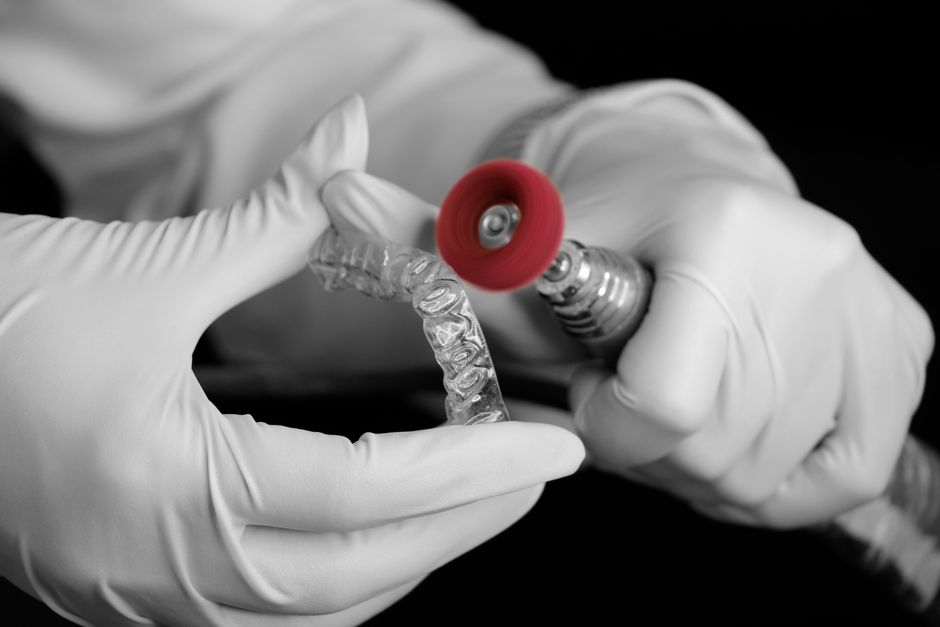
Cleaning your retainer is a daily habit that protects your smile and your health. The safest method is to brush it gently with a soft-bristled toothbrush and plain, lukewarm water. You should do this every day, usually after you remove it, to clear away plaque and food particles before they harden into buildup.
Why Daily Retainer Cleaning Matters
A retainer sits in your mouth for hours at a time. It collects saliva, food debris, and bacteria. If you do not clean it, that bacteria multiplies.
This can lead to a few real problems. The most common is a white, chalky film of calcium buildup on the plastic. Another is a persistent odor that comes from bacterial waste. In some cases, poor retainer hygiene can irritate your gums or contribute to bad breath that does not go away with brushing.
Daily cleaning prevents all of this. It takes less than two minutes. Consistent cleaning also keeps the plastic clear and stops it from becoming discolored or rough.
What To Use: The Safe Options
You do not need fancy products. Simple tools work best for daily care.
Soft-bristled toothbrush. Use a separate brush from the one you use for your teeth. A dedicated retainer brush is even better because it is smaller and reaches the crevices. Look for one labeled “baby soft” or “ultra soft” if you are unsure about bristle firmness.
Lukewarm water. Hot water can warp the plastic and change the fit of your retainer. Cold water does not remove plaque as effectively. Lukewarm is the right balance.
Mild, clear dish soap. A drop of unscented dish soap on the brush helps break down oils from your skin and food. Rinse thoroughly afterward. Soap residue tastes unpleasant and can irritate your mouth.
Retainer cleaning tablets. These are effervescent tablets that dissolve in water. They are convenient for deep cleaning a few times per week. Follow the package directions exactly. Most require soaking for 10 to 15 minutes, followed by a rinse.
White vinegar soak. Mix one part white vinegar with three parts lukewarm water. Soak the retainer for 15 to 20 minutes once a week. This dissolves hard mineral deposits. Rinse very well afterward because the vinegar taste is strong.
What To Avoid: Products That Damage Retainers
Some common cleaning products will ruin your retainer or harm you. Avoid these entirely.
Toothpaste. Most toothpastes contain mild abrasives. These scratch the surface of the retainer plastic. Scratches create tiny rough spots where bacteria hide and multiply. Even “gentle” whitening toothpastes are too harsh for retainer plastic.
Mouthwash. Many mouthwashes contain alcohol or strong dyes. Alcohol can dry out and degrade the plastic over time. Dyes can stain the retainer. If you want to use mouthwash, choose an alcohol-free, clear formula and use it only occasionally.
Bleach or hydrogen peroxide. Both are too strong for retainer plastic. They can weaken the material and leave harmful chemical residue. Never soak a retainer in these.
Boiling water or dishwasher. High heat warps the plastic. A warped retainer will not fit correctly. A poor fit can shift your teeth or cause sore spots in your mouth.
Hard-bristled brushes. These scratch the plastic just like toothpaste does. Always choose soft bristles.


How To Clean Different Retainer Types
Not all retainers are the same. The material changes how you should clean it.
Clear plastic retainers (Essix style). These are thin, transparent trays that fit over your teeth. They are the most common type for post-braces treatment. Clean them daily with soap and water. Soak them weekly in a retainer cleaning solution or vinegar mix. These trays stain easily, so avoid coffee, tea, and dark sodas while wearing them.
Hawley retainers (wire and acrylic). These have a metal wire that crosses the front of your teeth and a colored acrylic base that sits against your palate or tongue. The acrylic is porous. It absorbs odors and stains more readily than clear plastic. Brush the acrylic gently with soap and water. Use a soft brush to clean around the wire. Soak weekly in a cleaning solution to keep the acrylic fresh.
Fixed or bonded retainers. These are wires glued to the back of your teeth. You cannot remove them. They require normal brushing and flossing, with extra attention to the area behind the wire. A floss threader helps clean under the wire. Your dentist may recommend a special interdental brush to reach tight spaces.
Step-By-Step Daily Cleaning Routine
Following the same steps each day makes cleaning automatic.
Remove your retainer and hold it over a sink filled with lukewarm water. This prevents breakage if you drop it.
Rinse the retainer under lukewarm running water to remove loose debris.
Apply a drop of mild dish soap to your soft retainer brush. Gently brush every surface of the retainer. Pay attention to the grooves and crevices where plaque collects.
Rinse thoroughly under lukewarm water. Check that no soap film remains.
Place the retainer back in your mouth or in its case. Never wrap it in a tissue or napkin. People throw away retainers that way every day.
Once a week, do a deeper soak. Use a retainer cleaning tablet or the vinegar solution. This removes buildup that daily brushing misses.
What About Cleaning The Retainer Case?
Your retainer case also needs cleaning. Bacteria transfer between the case and the retainer.
Wash the case daily with warm, soapy water. Rinse and dry it completely before putting your retainer inside. A damp case encourages bacterial and fungal growth.
Soak the case in a vinegar solution once a week, just like the retainer itself. Replace the case every few months or whenever it shows cracks, discoloration, or persistent odor.
Signs Your Retainer Needs Replacement
Even with perfect care, retainers wear out. Plastic degrades over time.
Replace your retainer if you notice any of these signs: visible cracks or breaks, permanent discoloration that does not respond to cleaning, a rough or cloudy surface, a persistent odor that survives cleaning, or a fit that feels loose or tight.
A poorly fitting retainer can allow your teeth to shift. If your retainer no longer fits comfortably, contact your orthodontist. Do not try to adjust it yourself.
Most retainers last several years with proper care. Your orthodontist can tell you when it is time for a replacement.
Common Cleaning Mistakes And How To Fix Them
Skipping a day here and there is common. It becomes a problem when it turns into a habit.
One mistake is relying only on soaking tablets and never brushing. Soaking tablets remove some buildup but not all of it. They do not replace mechanical cleaning with a brush.
Another mistake is brushing too aggressively. Scrubbing hard does not clean better. It damages the plastic. Use light pressure and let the bristles do the work.
Some people store their retainer dry for long periods. This allows bacteria to dry onto the surface, making them harder to remove later. If you are not wearing your retainer, keep it in a case with a small amount of water or cleaning solution.
Frequently Asked Questions
Can I use toothpaste to clean my retainer?
No. Toothpaste is abrasive and will scratch the plastic surface. Scratches trap bacteria and make your retainer harder to keep clean.
How often should I deep clean my retainer?
Soak your retainer in a cleaning solution or vinegar mix once a week. Daily brushing with soap and water handles everyday maintenance.
Can I soak my retainer in mouthwash?
It is not recommended. Most mouthwashes contain alcohol or dyes that can damage or stain the plastic. If you do use mouthwash, choose an alcohol-free, clear formula.
How do I remove hard white buildup from my retainer?
Soak the retainer in a one-part white vinegar to three-part lukewarm water solution for 15 to 20 minutes. Rinse well and brush gently afterward. If buildup remains, ask your dentist or orthodontist for professional cleaning options.
