
Clogged ears are a common problem, and the fix depends almost entirely on what is causing the blockage. If your ears feel full because of earwax, gentle at-home softening drops often clear it. If the cause is pressure from a cold, allergies, or flying, swallowing, yawning, or a simple pressure-equalizing technique usually helps. If the blockage comes with pain, fever, discharge, sudden hearing loss, or dizziness, that is a sign to see a doctor rather than keep trying home remedies.
What Actually Causes That Plugged-Up Feeling?
The ear has three parts: the outer ear (the canal you can see into), the middle ear (behind the eardrum), and the inner ear (the hearing and balance organs). A “clogged” feeling can come from any of these, and the treatment is different for each.
The most common cause is earwax, also called cerumen. Wax is not dirt. It is a protective substance the body makes to trap dust and repel water. Normally it works its way out on its own. But it can build up, harden, and block the canal — especially if you use cotton swabs, which tend to push wax deeper instead of removing it.
The second common cause is a pressure difference in the middle ear. The middle ear sits behind the eardrum and connects to the back of the throat through a narrow channel called the Eustachian tube. This tube normally opens when you swallow or yawn to keep air pressure equal on both sides of the eardrum. When it gets blocked by swelling from a cold, allergies, or sinus congestion, the pressure does not equalize. Your ear feels full, and sounds may seem muffled.
Less common causes include fluid behind the eardrum, a foreign object in the canal, and sudden changes in air pressure from flying or diving. Some people also feel ear fullness with temporomandibular joint (TMJ) problems, because the jaw joint sits very close to the ear canal.
How Can You Unclog Your Ears From Wax at Home?
If the blockage is wax, the safest first step is to soften it. Over-the-counter wax-softening drops are widely used for this. Common options include drops containing carbamide peroxide, which are designed to break up and help clear wax. Some clinicians also recommend a few drops of mineral oil, baby oil, or glycerin to soften hard wax before it can come out.
Follow the package directions exactly. Do not use wax drops if you have a hole in your eardrum, a history of ear surgery, or an active ear infection — these drops can cause harm in those situations. If you are not sure whether you have any of these, ask a clinician before using them.
Once wax has softened, it may clear on its own over a few days. Some people gently flush the ear with warm water using a bulb syringe or a rinsing kit. If you try this, use water that is close to body temperature. Water that is too cold or too hot can trigger dizziness because of the inner ear’s sensitivity to temperature.
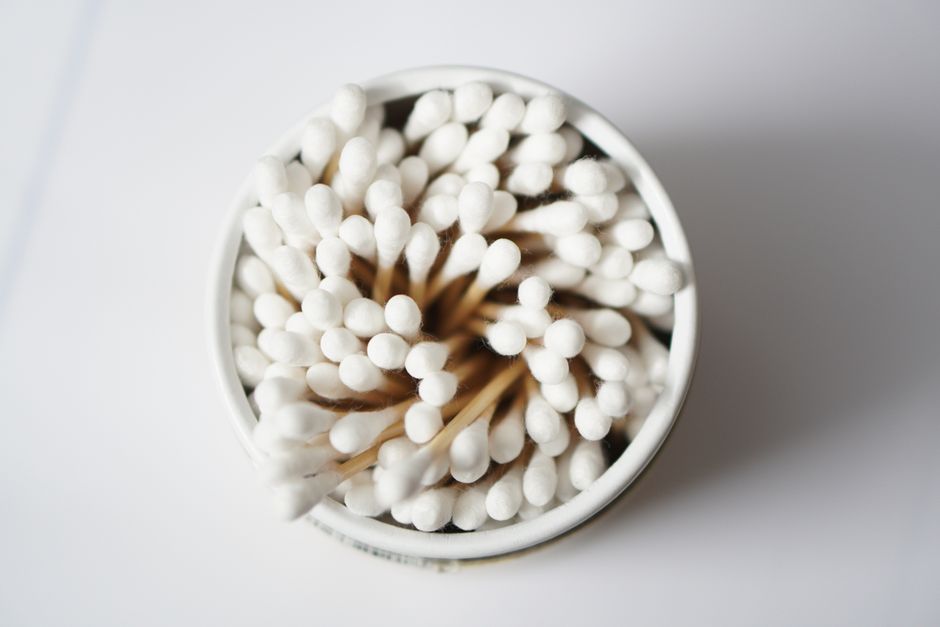
One thing to stop doing: do not use cotton swabs inside the ear canal. They are a leading cause of impacted wax and can scratch the canal or injure the eardrum. The same goes for hairpins, keys, and other small objects. If wax is truly impacted and blocking your hearing, a clinician can remove it safely — often in a single visit.
How Do You Relieve Ear Pressure From a Cold or Allergies?
When the Eustachian tube is swollen shut, the goal is to help it open and let pressure equalize. Several simple methods can help.
- Swallow, yawn, or chew gum. These movements open the Eustachian tube briefly and often relieve mild pressure.
- Try a gentle Valsalva maneuver. Pinch your nose closed, keep your mouth shut, and gently blow as if blowing your nose. Do this gently — blowing too hard can force bacteria into the middle ear or, rarely, rupture the eardrum.
- Try the Toynbee maneuver. Pinch your nose closed and swallow. This also helps equalize pressure.
- Use a saline nasal spray or rinse. This can reduce swelling in the nasal passages and around the Eustachian tube opening.
If allergies are the trigger, treating the allergy itself may help more than anything you do directly to the ear. Some people find that a decongestant or antihistamine reduces congestion, but these have side effects and are not right for everyone. If you have high blood pressure, heart conditions, or are pregnant, check with a clinician before using decongestants.
For most people, ear pressure from a cold clears within a few days to a couple of weeks as the illness runs its course. If it lasts longer or comes with hearing loss, see a doctor.





Does Flying or Diving Cause Clogged Ears, and What Helps?
Air pressure changes during takeoff, landing, and diving are a common trigger. As the plane climbs or descends, the pressure outside your eardrum changes faster than the pressure inside your middle ear can adjust. The result is that full, muffled feeling — and sometimes pain.
To prevent it, swallow or yawn during descent, chew gum, or use the Valsalva or Toynbee maneuvers. Staying awake during landing helps, since swallowing happens less when you sleep. Some people use special earplugs designed to slow pressure changes; the evidence for how well these work is limited, and they are not a substitute for equalizing on your own.
If you have a cold or active allergies, flying can be more uncomfortable, and in rare cases the pressure difference can injure the eardrum. If you are congested and must fly, a clinician may suggest a decongestant before descent — but do not start one without checking, especially if you have heart or blood pressure conditions.
For scuba divers, equalizing early and often during descent is standard practice. If you cannot equalize, the safe move is to stop descending, not to push through the pain.
When Should You See a Doctor Instead of Treating It Yourself?
Most clogged ears are not dangerous and clear on their own. But some symptoms point to a problem that needs medical care.
- Sudden hearing loss, especially in one ear
- Pain, fever, or fluid draining from the ear
- Dizziness, spinning, or balance problems
- Ear fullness that lasts more than a couple of weeks
- A foreign object stuck in the ear canal
- Hearing loss that does not improve after wax removal
Sudden hearing loss in one ear is worth taking seriously. It can be a medical emergency, and treatment works best when started early. Do not wait to see if it improves on its own.
Ear pain with fever or discharge often signals an infection, which may need antibiotics in some cases. Dizziness or vertigo can point to problems in the inner ear that require a proper exam. And if you have diabetes, a weakened immune system, or have had ear surgery, be quicker to seek care rather than manage it at home.
What Home Remedies Should You Avoid?
Some popular fixes do more harm than good.
Ear candling — placing a hollow, lit candle in the ear — is not effective and can cause burns, block the canal with wax, or injure the eardrum. Major health agencies advise against it.
Cotton swabs are the most common self-inflicted cause of impacted wax and injury. They push wax deeper and can scratch or puncture the eardrum.
Blowing your nose hard while congested can force mucus and bacteria into the middle ear and make things worse.
Pouring hydrogen peroxide or oil into an ear with a possible eardrum hole can cause pain or injury. If you are unsure about the state of your eardrum, do not put anything in your ear except what a clinician tells you to use.
The honest position on most home remedies is this: gentle wax softening and pressure-equalizing maneuvers have a reasonable basis and are widely used. Ear candling does not. If a remedy promises to “clear your ears instantly” or claims to fix any cause, treat that with skepticism.
How Long Should You Wait Before Getting Help?
If the cause is wax, softening drops usually help within a few days, though hard, impacted wax may need professional removal. If the cause is a cold or pressure change, symptoms often ease within days to a couple of weeks.
There is no single timeline that fits everyone, because the cause matters more than the clock. The practical rule: if your ears are still clogged after a couple of weeks, or if anything on the “see a doctor” list applies, get it checked. An exam is quick, and it can tell you whether the problem is wax, fluid, infection, or something else — which decides the treatment.
Frequently Asked Questions
Can clogged ears unclog on their own?
Yes, many cases clear without treatment, especially when the cause is wax or pressure from a cold. If the blockage lasts more than a couple of weeks, see a clinician.
Does olive oil help unclog ears?
Some clinicians suggest a few drops of olive oil or mineral oil to soften hard wax, and it is generally considered low-risk for people with an intact eardrum. Do not use it if you have a hole in your eardrum, an ear infection, or have had ear surgery.
Why does my ear feel clogged but my hearing is fine?
Ear fullness can come from Eustachian tube pressure, TMJ problems, or mild wax changes even when hearing tests normal. If it persists or comes with pain or dizziness, get it checked.
Is it safe to use cotton swabs to clean my ears?
No, cotton swabs push wax deeper and can scratch the canal or injure the eardrum. The ear canal usually cleans itself, so most people do not need to remove wax at all.
