
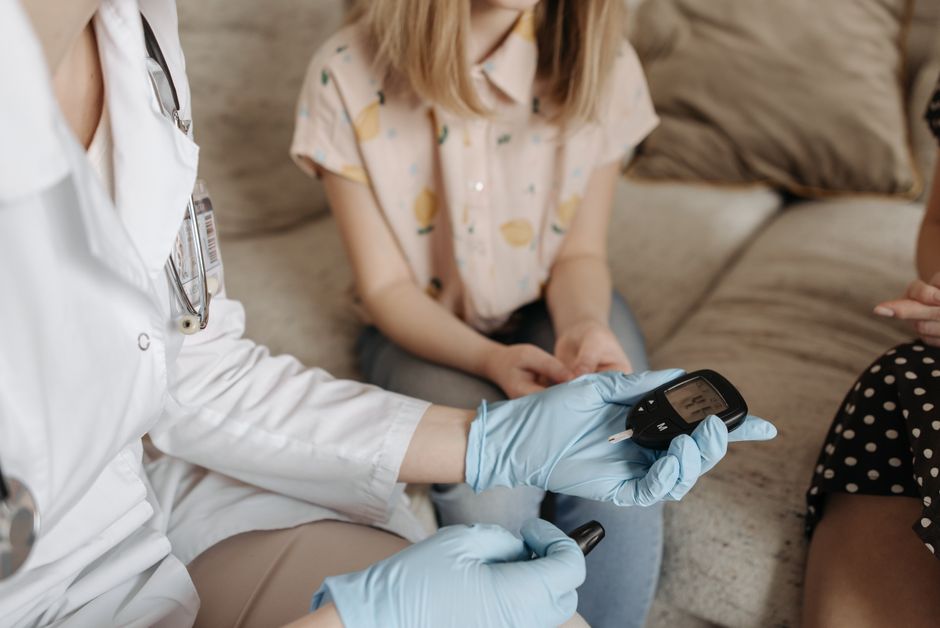
Checking your blood sugar at home means using a small device called a glucose meter to measure the glucose level in a drop of blood from your fingertip. You then compare that number to a chart of normal, prediabetic, and diabetic ranges your doctor provides. The process takes about 30 seconds and is the most common way people with diabetes or prediabetes track their condition daily.
What Equipment Do You Need to Check Blood Sugar at Home?
You need a few basic items. The main piece is a blood glucose meter. These are small, battery-powered devices sold at most pharmacies. Many insurance plans cover the cost of the meter itself. You also need test strips that are made specifically for your meter model. These strips are single-use and can be expensive if you do not have insurance.
A lancet device is the third essential item. This is a spring-loaded tool that pricks your finger quickly with a tiny needle called a lancet. You also need lancets, which are the sterile needles you load into the device. Finally, you need a way to track your results. This can be a paper logbook, a spreadsheet, or the app that connects to many modern meters via Bluetooth.
Some people also use continuous glucose monitors, or CGMs. These are sensors worn on the arm or abdomen that check blood sugar every few minutes automatically. CGMs are more expensive and are usually prescribed for people with type 1 diabetes or those with type 2 diabetes who take insulin. The finger-stick method is still the standard for most people.
How Do You Check Blood Sugar At Home And Read Results Step by Step
Start by washing your hands with warm soapy water. This removes food residue and other substances that can give a false reading. Dry your hands completely. Alcohol wipes work too, but make sure the alcohol has fully dried before you prick your finger. Wet alcohol can dilute the blood sample.
Insert a test strip into your meter. The meter will turn on automatically or after pressing a button. Use the lancet device to prick the side of your fingertip, not the pad. The side has fewer nerve endings and hurts less. Squeeze gently from the base of your finger toward the tip until a small drop of blood forms. Touch the edge of the test strip to the blood drop. The strip pulls the blood in by capillary action. Within five to ten seconds, the meter displays a number.
That number is your blood glucose level measured in milligrams per deciliter, or mg/dL. In the United States, this is the standard unit. Some countries use millimoles per liter, but all meters sold in the U.S. show mg/dL. Write down the number along with the time of day, whether you ate recently, and any medications you took. Patterns become clear only when you track consistently.
| Time of Day | Normal Range (mg/dL) | Prediabetes Range (mg/dL) | Diabetes Range (mg/dL) |
|---|---|---|---|
| Fasting (no food for 8 hours) | Below 100 | 100 to 125 | 126 or higher |
| 2 hours after a meal | Below 140 | 140 to 199 | 200 or higher |
| Random (any time of day) | Below 200 | 200 or higher suggests diabetes | 200 or higher with symptoms |
The American Diabetes Association publishes these ranges. They are guidelines, not hard rules for every person. Your doctor may set different targets based on your age, how long you have had diabetes, and other health conditions. Pregnant women with gestational diabetes have stricter targets.
What Do the Numbers on Your Meter Actually Mean?
A single high or low number is not a diagnosis. It is a snapshot of your blood sugar at that exact moment. Many things affect the number. What you ate in the last few hours is the biggest factor. Carbohydrates raise blood sugar the most. Proteins and fats have a smaller and slower effect. Stress hormones also raise blood sugar. So does illness. Even a minor cold can push numbers higher than normal.
If your fasting number is consistently above 126 mg/dL, that meets the diagnostic criteria for diabetes set by the American Diabetes Association. If it is between 100 and 125, that is considered impaired fasting glucose, which is another name for prediabetes. These are the same thresholds used in a lab blood draw. Home meters are not as precise as lab tests, but they are accurate enough for daily management. Research published in Diabetes Care has shown that modern meters meet international accuracy standards within 15 percent of lab values.
Low blood sugar, called hypoglycemia, is generally below 70 mg/dL. This is dangerous and requires immediate action. Symptoms include shakiness, sweating, confusion, and blurred vision. If your meter shows below 70, eat or drink something with fast-acting sugar like fruit juice, regular soda, or glucose tablets. Recheck in 15 minutes. If the number is still low, treat again and call your doctor.
High blood sugar, called hyperglycemia, is generally above 180 mg/dL two hours after a meal. Occasional high readings happen. Consistently high numbers over days or weeks mean your treatment plan may need adjustment. Very high numbers above 300 mg/dL can lead to a serious condition called diabetic ketoacidosis, especially in type 1 diabetes. If your meter shows over 300 and you feel sick, seek medical attention.


Common Mistakes That Give False Readings
The most common mistake is not washing your hands before testing. The CDC has reported that food residue on fingers can cause readings that are falsely high by 10 to 20 percent. One study found that people who handled fruit and then tested without washing got readings over 400 mg/dL when their actual level was normal. Soap and water are the best way to prevent this.
Using expired test strips is another frequent error. The chemicals on the strip degrade over time. An expired strip can give a reading that is off by a significant margin. Check the expiration date on the strip vial before you use it. Also, keep the vial closed tightly. Humidity damages the strips.
Not getting enough blood on the strip is a third problem. If the strip does not fill completely, the meter may give an error message or an inaccurate reading. If you squeeze your finger too hard, you can also get fluid from the tissue rather than pure blood. This dilutes the sample and gives a false low reading. If you have trouble getting a drop, run your hand under warm water first to increase blood flow.
When Should You Check Your Blood Sugar?
The schedule depends on your type of diabetes and your treatment. People with type 1 diabetes usually check four to ten times per day. People with type 2 diabetes who take insulin may check two to four times per day. People with type 2 diabetes who manage their condition with diet and oral medication may check only once or twice per day, or even less often.
The most common testing times are first thing in the morning before eating, which is your fasting level, and two hours after the start of a meal, which is your postprandial level. Some people also check before and after exercise. Exercise can lower blood sugar for up to 24 hours, so checking before and after helps you see the effect. If you feel symptoms of low or high blood sugar, check immediately. Do not guess based on how you feel. Symptoms can be misleading.
Your doctor will give you a specific testing schedule. If you are newly diagnosed, you may be asked to check more often at first to establish patterns. Once your numbers are stable, the frequency often decreases. The key is consistency. Testing at the same times each day gives you data you can actually use to adjust your diet, activity, and medication.
How to Read Patterns in Your Blood Sugar Log
A single reading tells you little. A week of readings tells you a lot. Look at the overall pattern. Are your fasting numbers creeping up over several days? That could mean your current medication dose is not enough. Are your numbers consistently high two hours after dinner but not after lunch? That suggests your dinner meal has too many carbohydrates or the timing of your medication needs to change.
Many meters come with software or apps that generate charts and averages. A common metric is the estimated average glucose, or eAG, which your meter may calculate from your readings. This number roughly corresponds to the A1C test your doctor runs in the lab. An eAG of 154 mg/dL is roughly equal to an A1C of 7 percent, which is a common target for many adults with diabetes. The American Diabetes Association provides a conversion chart for this.
If you see a pattern of high fasting numbers, discuss it with your doctor. This is called the dawn phenomenon, where your body releases hormones in the early morning that raise blood sugar. It is normal to some degree, but if it pushes your numbers too high, medication timing adjustments can help. Do not change your medication on your own. Bring your log to your appointment and let your doctor interpret the data.
Common Misconceptions About Home Blood Sugar Testing
One widespread myth is that you can use a continuous glucose monitor without ever doing a finger-stick. This is not true. CGMs need calibration with finger-stick readings, and they can be less accurate during rapid changes in blood sugar. The FDA requires that CGM users confirm high or low readings with a traditional meter before making treatment decisions.
Another myth is that home meters are not accurate enough to trust. Modern meters from major brands meet the ISO 15197 standard, which requires that 95 percent of readings fall within 15 percent of the true lab value. This is good enough for daily management. The limitation is not the meter itself but how people use it. Dirty hands, expired strips, and improper storage cause more errors than the device.
Some people believe that if they feel fine, their blood sugar must be normal. This is dangerous because high blood sugar often has no symptoms until it is very high. Many people with type 2 diabetes have blood sugar over 200 mg/dL and feel completely normal. Relying on symptoms instead of numbers is a common reason for poor diabetes control.
Frequently Asked Questions
How often should I replace my glucose meter?
Most meters last several years if you keep them clean and store them properly. Replace it if it gets damaged, if it consistently gives error messages, or if your doctor recommends an upgrade.
Can I use blood from my arm instead of my finger?
Some meters allow testing on the forearm or palm, but fingertip readings are more accurate because they reflect your current blood sugar faster. Arm readings lag behind during rapid changes.
Do I need to clean my meter after every use?
Wipe the meter with a soft dry cloth as needed. Do not use liquids or cleaners unless the manufacturer specifically says they are safe. Moisture can damage the internal components.
What should I do if my meter gives a reading that does not match how I feel?
Wash your hands and retest immediately. If the second reading still does not match your symptoms, trust the symptoms and treat accordingly. Contact your doctor if you are unsure.
