
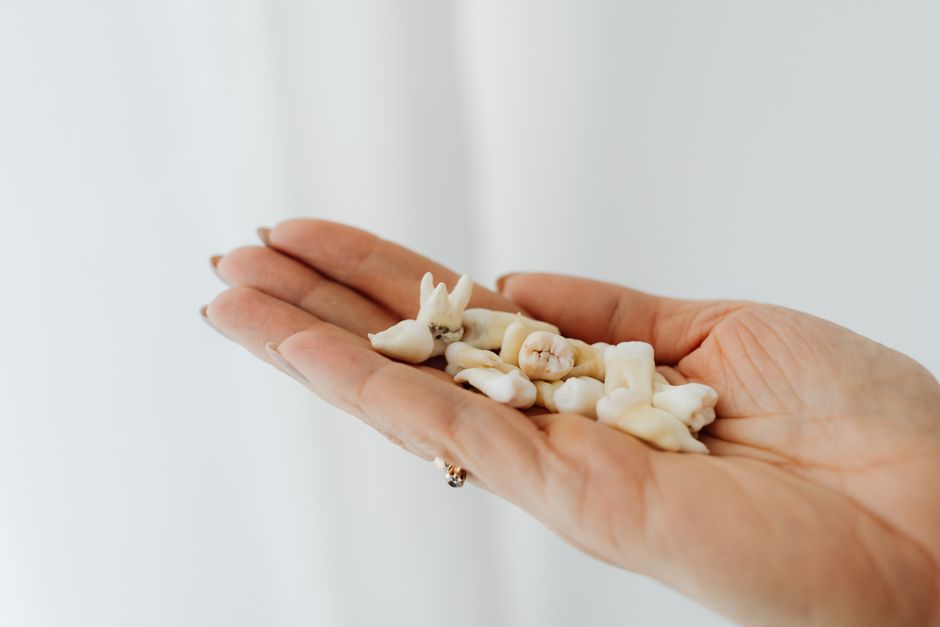
Wisdom teeth do not “look out” the way a window does. The phrase is a mangled way of asking how these teeth come through the gums, what they look like when they emerge, and how you can tell whether they are coming in normally or causing trouble. In short: a healthy wisdom tooth pushes up through the gum at the back of the mouth, usually between the ages of 17 and 25, and looks like any other molar once it is fully through. A problem tooth may stay buried, lean sideways, or only partly break the surface.
That difference matters. The way a wisdom tooth sits in the jaw often decides whether it causes pain, infection, or damage to the teeth next to it. Knowing what to look for helps you describe symptoms clearly to a dentist and understand what your X-rays actually show.
What Are Wisdom Teeth and Where Do They Come From?
Wisdom teeth are your third molars, the last teeth at the very back of each jaw. Most people have four, one in each corner, though some people have fewer and a small number have none at all.
They are called wisdom teeth because they tend to appear later than the rest, during the late teens and early twenties. That timing is the only thing that makes them special. Structurally they are ordinary molars — wide, flat-topped grinding teeth built for crushing food.
The reason they cause so much trouble is space. The human jaw is generally smaller than it was in our distant ancestors, and by the time third molars try to come through, the other teeth have usually claimed the available room. A tooth that cannot find a clear path can end up tilted, wedged against a neighbor, or trapped under the gum.
How Do Wisdom Teeth Look Out as They Come Through?
A wisdom tooth that has room to emerge normally breaks through the gum the same way other teeth did. You may feel pressure or a dull ache at the back of the jaw for a few days. The gum over the tooth can look swollen and slightly red, and a small white or pale crown appears as the tooth pushes up.
Over weeks or months, the tooth continues to rise until it reaches the level of the other molars. Once fully through, a healthy wisdom tooth looks like a normal back tooth — smooth enamel, a flat chewing surface, and a clean gum line where it meets the tissue.
Things look different when the tooth is blocked. Dentists use the term impacted for a tooth that cannot fully erupt. There are a few common patterns:
- Fully impacted. The tooth stays completely under the gum or inside the bone. You cannot see it, and it may cause no symptoms at all.
- Partially erupted. Part of the crown breaks through while the rest stays covered. This is the pattern most likely to cause problems.
- Angled or tilted. The tooth leans forward toward the second molar, backward, or sideways. It may push against the neighboring tooth.
- Horizontal. The tooth lies flat, pointing directly at the roots of the adjacent molar.
A partially erupted tooth is the one people most often notice on their own. You might see a small piece of tooth poking through swollen gum, or feel a hard edge with your tongue.
Why Partially Erupted Wisdom Teeth Cause So Much Trouble
When a wisdom tooth only partly breaks through, it leaves a flap of gum tissue sitting over part of the crown. That flap creates a pocket where food, plaque, and bacteria collect and where a toothbrush struggles to reach.
The gum around the tooth can then become inflamed and infected. This condition is called pericoronitis, and it is one of the most common reasons people end up in a dental chair with jaw pain. Symptoms include swelling of the gum, tenderness, a bad taste, and difficulty opening the mouth fully. In more serious cases the swelling spreads into the cheek or throat.
Impacted teeth can also damage the molar in front of them. A tilted wisdom tooth can create a hard-to-clean gap that leads to decay on the adjacent tooth, and pressure over time can contribute to root resorption — where the neighboring tooth’s root is gradually broken down. These changes are often invisible to the eye and show up only on X-rays.





How Do You Know If Something Is Wrong?
Pain is not a reliable guide. Some impacted wisdom teeth cause no discomfort at all while quietly damaging a neighboring tooth, and some fully erupted teeth hurt simply because they are pushing through.
Signs worth having checked include:
- Throbbing or aching pain at the very back of the jaw
- Swollen, red, or tender gum behind the last molar
- A bad taste or odor in the mouth
- Difficulty opening your mouth wide
- Swelling in the cheek or jaw
- Pain when biting down on the back teeth
If swelling spreads toward your throat or you have trouble swallowing or breathing, treat it as urgent and seek care the same day. That pattern suggests the infection is moving beyond the tooth itself.
What Does a Dentist See That You Cannot?
You can see the crown of a tooth. You cannot see its roots, its angle in the bone, or how close it sits to a nerve. That is what dental X-rays reveal.
A panoramic X-ray shows all the teeth and both jaws in one image, which lets a dentist judge the position and angle of each wisdom tooth, how much root has formed, and how much room is left. This is why X-rays, not visual inspection alone, drive most decisions about wisdom teeth.
One detail worth knowing: the roots of lower wisdom teeth can sit close to the inferior alveolar nerve, which runs through the lower jaw and supplies sensation to the lip and chin. The proximity of that nerve is a key factor dentists weigh when planning any removal, because it affects the risk of temporary or lasting numbness.
Do All Wisdom Teeth Need to Come Out?
No. A wisdom tooth that has fully erupted, sits in a healthy position, can be cleaned properly, and causes no symptoms may not need removal at all. Some dentists simply monitor these teeth over time.
Removal is generally considered when a tooth is impacted or partially erupted, when it has caused infection more than once, when it is damaging the adjacent molar, or when it cannot be kept clean. The evidence for removing a problem tooth is solid. The evidence for removing a symptom-free, disease-free tooth is weaker and more debated, and clinical opinion genuinely differs.
This is one area where you should expect different dentists to give different advice, especially for a young patient with an impacted tooth that has never caused trouble. Ask what specific problem the removal is meant to prevent, and what the alternative of monitoring would involve.
What to Expect During and After Removal
Simple removal of an erupted tooth is often done with local anesthetic in a single visit. Impacted teeth, especially lower ones, may require a surgical approach. Sedation options exist for people who need them, and the choice depends on the complexity of the case and your health history.
After surgery, most people manage discomfort with over-the-counter pain relief and cold compresses for the first day or two. Swelling usually peaks in the first 24 to 48 hours and then settles. Bleeding should slow within the first day.
Two complications are worth knowing about because they are common enough to be discussed beforehand. Dry socket happens when the blood clot that protects the socket is lost too early, exposing bone and causing sharp pain a few days after surgery. Nerve injury near the lower jaw can cause numbness of the lip, chin, or tongue; it is uncommon and often temporary, but it can occasionally be permanent.
Follow the specific aftercare instructions your dentist gives you. They are tailored to your case, and generic internet advice does not account for how your tooth was positioned or how the surgery went.
When Should You See a Dentist?
Book an appointment if you have pain, swelling, or a bad taste at the back of your mouth, or if you can feel a tooth breaking through and you are not sure whether it has room. Routine dental visits with X-rays are how most problem wisdom teeth get caught before they cause real damage.
Do not wait for severe pain. By the time an impacted tooth hurts badly, infection or damage to a neighboring tooth may already be underway.
Frequently Asked Questions
At what age do wisdom teeth come through?
Wisdom teeth usually erupt between ages 17 and 25, though the range varies and some never come through at all. A dentist can see their position on an X-ray well before they emerge.
How can I tell if my wisdom tooth is impacted?
You usually cannot tell on your own, because an impacted tooth may sit entirely under the gum and cause no symptoms. Only a dental X-ray can show whether a tooth is blocked, tilted, or fully buried.
Is it always necessary to remove wisdom teeth?
No. A wisdom tooth that is fully erupted, healthy, and cleanable may be left in place. Removal is generally recommended when a tooth is impacted, infected, or damaging the tooth next to it.
What does pericoronitis feel like?
It typically causes swollen, tender gum over a partly erupted tooth, aching jaw pain, a bad taste, and sometimes difficulty opening your mouth. If swelling spreads toward your throat or you have trouble swallowing, seek care the same day.
