
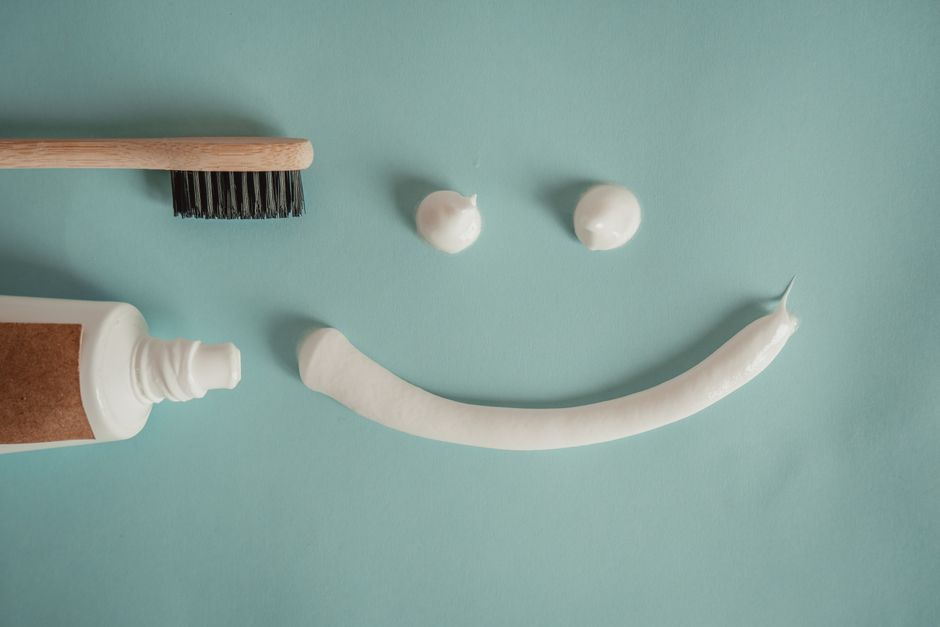
You can make toothpaste at home with just a few ingredients from your kitchen, and most recipes fall into two basic types: simple pastes built on baking soda or coconut oil, and slightly thicker versions that add a mineral powder for texture. The catch is that homemade toothpaste is not the same as the fluoride toothpaste your dentist recommends. It can clean your teeth and freshen your breath, but it does not carry the cavity-fighting ingredient that most dental guidelines are built around. Knowing that difference before you mix your first batch matters more than the recipe itself.
Why Do People Make Toothpaste at Home?
Most people who try it are motivated by one of three things: they want to avoid certain ingredients, they want to save money, or they simply like knowing exactly what is in the tube. All three are reasonable.
Concerns about additives like artificial sweeteners, preservatives, and foaming agents are common. Some people also react to the detergents in commercial toothpaste with mouth irritation or canker sores, and a plain homemade paste can feel gentler.
There is a trade-off that often gets left out of the conversation. The ingredient doing most of the heavy lifting in preventing cavities is fluoride. Fluoride toothpaste is the single most studied and most reliable home tool for reducing tooth decay. When you replace it, you are trading cavity protection for a different set of benefits. That is a legitimate choice, but it should be a conscious one.
What Ingredients Do You Actually Need?
A basic homemade toothpaste needs a mild abrasive, a moisturizing base, and something to improve taste. That is it. Everything else is optional.
Here is how the common ingredients function:
- Baking soda — a gentle abrasive that helps scrub away surface stains and plaque. It also has some antibacterial activity.
- Coconut oil — a base that holds the paste together and gives it a smooth texture. It is not a proven cavity fighter on its own.
- Calcium carbonate — a mild abrasive and a source of calcium. Some research suggests it may help support remineralization, though the evidence is not as strong as it is for fluoride.
- Xylitol — a sweetener that some studies link to reduced cavity-causing bacteria. It is not a replacement for fluoride.
- Peppermint or spearmint oil — for flavor and fresh breath.
- Water — to adjust consistency.
What you do not need is a long list of exotic powders. Simpler recipes tend to work better and are easier to adjust.
How To Make Toothpaste: A Simple Recipe
This recipe makes a small batch — enough for about a week of regular use. Small batches are better because homemade toothpaste has no preservatives and can grow bacteria over time.
What you need:
- 3 tablespoons baking soda
- 1 tablespoon coconut oil (softened, not melted)
- 1 to 2 tablespoons water
- 10 to 15 drops peppermint essential oil
- A small glass jar with a lid
What to do:
- Mix the baking soda and coconut oil in a small bowl until it forms a thick paste.
- Add water one teaspoon at a time until you reach a texture you like. Less water makes a firmer paste; more makes it smoother.
- Stir in the peppermint oil.
- Spoon the mixture into the jar and seal it.
- Store it in a cool, dark place. Because there are no preservatives, make a fresh batch every one to two weeks.
If the paste dries out, add a few drops of water and stir. If it separates, that is normal — just mix it back together.



Does Homemade Toothpaste Actually Clean Your Teeth?
Yes, in the sense that it removes food debris and surface stains. No, in the sense that it prevents cavities the way fluoride toothpaste does.
The mechanical act of brushing — the motion of the bristles against your teeth and gums — is doing most of the cleaning. Toothpaste is a helper, not the main event. That is why brushing technique and frequency matter more than which paste you use.
Where homemade versions fall short is in fluoride. Fluoride works by making tooth enamel more resistant to acid attacks from bacteria and by helping to repair early stages of decay. This is one of the most well-established findings in dentistry. No homemade ingredient has been shown to match it.
Some ingredients, like xylitol and calcium carbonate, have evidence suggesting they may help in specific ways. But that evidence is not strong enough to claim they replace fluoride. If you use a fluoride-free toothpaste, whether homemade or store-bought, you are accepting a higher risk of cavities unless you get fluoride from another source, such as drinking water or a professional treatment.
What Are the Risks of Making Your Own Toothpaste?
The biggest risk is not the ingredients — it is the missing fluoride. Over months and years, that gap can lead to more cavities, especially if your diet is high in sugar or you have a history of decay.
Other risks are smaller but real:
- Abrasiveness. Baking soda is mild, but using too much or brushing too hard can wear down enamel over time. A soft-bristled brush and gentle pressure help.
- Bacterial growth. Without preservatives, homemade paste can harbor bacteria. Small batches and clean jars reduce this risk.
- Essential oil irritation. Peppermint oil is strong. Too much can irritate your gums or the inside of your mouth. Start with fewer drops than you think you need.
- Allergic reactions. Coconut oil and essential oils can cause reactions in some people. Test a small amount first.
If you have sensitive teeth, gum disease, or a history of frequent cavities, talk to your dentist before switching. They can help you weigh the trade-offs for your specific situation.
Can You Get the Best of Both Worlds?
Yes, and it is a common approach. Some people use homemade toothpaste for one brushing session and fluoride toothpaste for another. Others add fluoride to their homemade paste, though this is trickier than it sounds.
Fluoride is available in some countries as a concentrated solution or gel, but it is not a typical kitchen ingredient. If you want to add it, you need to know the correct concentration and how to measure it safely. Getting that wrong can be harmful, especially for children. No clinical guidelines exist for adding fluoride to homemade toothpaste at home.
A simpler option is to use a fluoride toothpaste you trust for most brushings and a homemade paste occasionally, when you want a gentler clean or a different flavor. That way you keep the cavity protection without giving up the reasons you wanted to make your own in the first place.
What About Kids and Homemade Toothpaste?
Children have different needs, and homemade toothpaste is generally not recommended for them. Here is why.
Young children are at high risk for cavities, and fluoride is especially important during the years when teeth are still forming. Swallowing toothpaste is also common in kids under six, which is why pediatric guidance focuses on using a small, controlled amount of fluoride toothpaste rather than a homemade version.
If you want to reduce your child’s exposure to certain ingredients, talk to a pediatric dentist. They can recommend fluoride toothpastes with simpler ingredient lists. Making your own for a child is not a swap most dentists would support, and no clinical guidelines exist for doing so safely.
How Does Homemade Toothpaste Compare to Store-Bought?
The main differences come down to fluoride, preservatives, and consistency. Here is a side-by-side look.
| Feature | Homemade | Store-Bought (Fluoride) |
|---|---|---|
| Fluoride | Usually none | Typically present |
| Cavity protection | Limited | Well established |
| Preservatives | None | Common |
| Shelf life | 1 to 2 weeks | Months to years |
| Ingredient control | Full | Limited |
| Cost | Low | Moderate |
| Texture | Varies | Consistent |
Neither column is automatically better. It depends on what you value most and what your dental history looks like.
Tips for Making It Work
If you decide to go homemade, a few habits make the experience better and safer.
- Make small batches. Freshness matters when there are no preservatives.
- Use a clean spoon every time you scoop, so you do not introduce bacteria.
- Keep a separate fluoride toothpaste on hand for times when you want extra protection.
- See your dentist regularly. They can catch early decay before it becomes a bigger problem.
- Adjust the flavor and texture to your liking. There is no single right way to make it.
The goal is not to copy a commercial product. It is to find something that works for your mouth and your values, while staying honest about what it can and cannot do.
Frequently Asked Questions
Is homemade toothpaste safe to use every day?
It is generally safe for adults when made with food-grade ingredients and stored properly. The bigger concern is the lack of fluoride, which raises cavity risk over time.
Can homemade toothpaste whiten teeth?
It can help remove surface stains because of the mild abrasives, but it does not change the natural color of your teeth. No homemade ingredient has been shown to whiten teeth the way professional treatments do.
What is the best oil to use in homemade toothpaste?
Coconut oil is the most common choice because it holds the paste together and has mild antibacterial properties. Olive oil and sesame oil can also work, though they change the texture.
How long does homemade toothpaste last?
About one to two weeks when stored in a cool, dark place. Without preservatives, it can grow bacteria, so small batches are best.
