
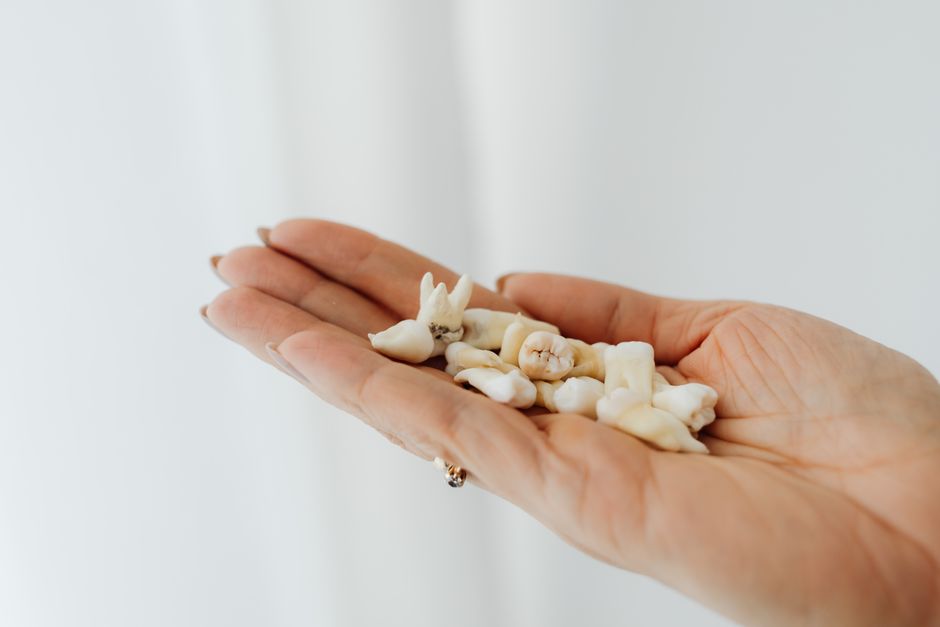
Wisdom teeth pain usually comes from one of two things: the tooth is pushing through the gum, or it is trapped and inflamed underneath it. The fastest relief comes from reducing that inflammation and pressure with saltwater rinses, cold compresses, over-the-counter pain relievers, and soft foods. If the pain is severe, spreading, or comes with swelling or fever, that is a dental problem, not a home remedy problem — call a dentist or doctor the same day.
Most people reach for a painkiller first. That helps. But the pain will keep coming back until the underlying issue is addressed. Understanding what is actually happening in your mouth makes every choice below work better.
What Is Actually Causing the Pain?
Wisdom teeth are the last molars to arrive, usually between the late teens and mid-twenties. By then, the jaw has often finished growing, which leaves little room for four more large teeth.
When there is not enough space, the tooth can become impacted — blocked from breaking through the gum normally. It may tilt sideways, lean against the molar in front of it, or stay trapped under the gum entirely.
Pain can come from several sources at once:
- Pericoronitis — inflammation of the soft tissue flap covering a partially erupted tooth. This is one of the most common causes of sudden, intense wisdom tooth pain.
- Pressure on the adjacent molar — a tilted wisdom tooth can push against the tooth in front, causing a dull ache.
- Cavities — wisdom teeth sit far back and are hard to brush, so decay is common.
- Gum infection — food and bacteria get trapped under the tissue flap and cause infection.
Pericoronitis deserves a closer look because it is often mistaken for simple “teething pain.” The gum flap over a partially erupted tooth creates a pocket where bacteria and food collect. The tissue becomes swollen, tender, and sometimes infected. The pain can radiate to the ear or jaw. In more serious cases, the swelling can make it hard to open your mouth or swallow.
That last point matters. Difficulty swallowing or opening the mouth, swelling that spreads toward the neck or under the jaw, fever, or a general feeling of being unwell are signs of a spreading infection. Those need urgent medical attention, not a home remedy.
How To Get Rid Of Wisdom Teeth Pain Relief That Works
The approaches below address inflammation, bacteria, and pressure — the three things driving most wisdom tooth pain. None of them fix an impacted tooth. They buy you comfort and time until a dentist can look at it.
Saltwater rinses
Dissolve about half a teaspoon of salt in a glass of warm water and rinse gently for around 30 seconds, then spit. Repeat a few times a day. This is one of the most widely recommended home measures for gum inflammation. It helps clear debris from around the tooth and can ease swelling in the tissue. Do not swish hard — aggressive rinsing can irritate the area further.
Cold compress
Wrap an ice pack or a bag of frozen vegetables in a thin cloth and hold it against the outside of your cheek over the sore area for about 15 minutes at a time. Cold narrows blood vessels, which reduces swelling and numbs the area. This works best in the first day or two when inflammation is at its peak.
Over-the-counter pain relievers
Nonsteroidal anti-inflammatory drugs (NSAIDs) such as ibuprofen reduce both pain and inflammation, which makes them a reasonable first choice for many adults. Acetaminophen relieves pain but does not reduce inflammation. Follow the dosing on the package exactly, and check with a pharmacist or doctor first if you take blood thinners, have kidney or stomach problems, or take other medications. Do not place aspirin directly on the gum — it can burn the tissue.
Oral hygiene around the area
Keep the area as clean as you can. Brush gently, and use a soft toothbrush. A dentist may recommend a medicated mouthwash in some cases, but that is a clinical decision, not a self-treatment.
Soft foods and avoiding irritants
Stick to soft foods — yogurt, mashed potatoes, scrambled eggs, soup — and chew on the opposite side. Avoid very hot, very cold, crunchy, sticky, or spicy foods while the area is inflamed. Skip smoking and alcohol, both of which irritate healing tissue.
What Does Not Work — or Can Make It Worse
Some popular home remedies range from useless to harmful, and it is worth knowing which is which.
- Placing aspirin or a crushed painkiller on the gum. This can cause a chemical burn to the tissue. Swallow the pill instead.
- Heat on a swollen area. Heat can increase swelling and draw infection outward. Use cold, not heat, for inflammation.
- Poking or prodding the gum with sharp objects. This can introduce bacteria and make an infection worse.
- Clove oil in large amounts. Clove oil contains eugenol, which has a numbing effect, and small amounts are sometimes used for toothache. But it can irritate or burn gum tissue if used undiluted or in excess. The evidence for it as a reliable pain treatment is limited.
- Waiting it out indefinitely. If a tooth is impacted or infected, the pain will return. Home care manages symptoms; it does not resolve the cause.
No home remedy removes an impacted tooth or cures an infection. That distinction is the single most important thing to understand about wisdom tooth pain.




When Should You See a Dentist or Doctor?
See a dentist promptly if the pain lasts more than a few days, keeps coming back, or is severe enough to disrupt sleep or eating. A dentist can take an X-ray to see whether the tooth is impacted, infected, or decaying — something you cannot determine on your own.
Seek urgent care the same day if you notice any of the following:
- Swelling in your face, jaw, or under the tongue
- Difficulty opening your mouth or swallowing
- Fever or chills
- Pain that spreads to your ear, neck, or throat
- Pus or a bad taste near the tooth
- Trouble breathing
These signs suggest the infection may be spreading beyond the tooth. Dental infections can, in serious cases, spread to deeper tissues of the face and neck, and those situations require immediate treatment. This is not a wait-and-see scenario.
Will the Tooth Need to Come Out?
Not always. Some wisdom teeth come in straight, cause no problems, and can stay. Others cause repeated infections, damage the neighboring molar, or develop decay that is hard to treat — and in those cases, removal is often recommended.
The decision is based on the tooth’s position, your symptoms, and your overall dental health. A dentist or oral surgeon evaluates this with X-rays. It is not something you can determine from pain alone.
If removal is recommended, the procedure is usually done under local anesthesia, with sedation options available for more complex cases. Recovery typically involves swelling and soreness for several days, managed with ice, pain relievers, and soft foods. Your dentist will give you specific aftercare instructions — follow those, not general internet advice.
Can You Prevent Wisdom Tooth Pain?
You cannot prevent a wisdom tooth from becoming impacted — that is determined by your jaw size and the tooth’s position. But you can lower the odds of the gum problems that cause a lot of the pain.
- Keep the back of your mouth clean, even though it is awkward to reach. A small-headed brush helps.
- See your dentist for regular checkups so problems are caught early.
- Address minor symptoms before they become infections.
Regular dental visits are the most reliable way to catch a problem before it becomes an emergency. If you already know you have an impacted wisdom tooth, do not wait for severe pain to act on it.
Frequently Asked Questions
How long does wisdom teeth pain usually last?
Mild pain from a tooth pushing through the gum often eases within a few days. Pain that lasts longer than a few days, keeps returning, or gets worse usually points to an infection or an impacted tooth that needs dental care.
What is the fastest way to relieve wisdom tooth pain at home?
A cold compress plus an over-the-counter NSAID like ibuprofen addresses both swelling and pain, which is why this combination is often the most effective at-home approach. Saltwater rinses help keep the area clean between doses.
Can I treat wisdom tooth pain without removing the tooth?
Sometimes. If the tooth is not impacted and is not causing repeated problems, symptoms can often be managed without removal. But if the tooth is impacted or keeps getting infected, home care only manages symptoms and does not fix the cause.
When is wisdom tooth pain an emergency?
Swelling in your face or jaw, difficulty swallowing or opening your mouth, fever, or trouble breathing are signs of a possible spreading infection and need urgent care the same day. Do not wait to see if it improves on its own.
