
Every second, your body needs oxygen to turn food into energy. Red blood cells are the delivery trucks that carry that oxygen from your lungs to nearly every cell in your body. They do it using a protein called hemoglobin, and the process is one of the most efficient chemical systems known in human biology.
Here is the short version. Oxygen moves into your blood in the lungs and attaches to iron atoms inside hemoglobin. Red blood cells then travel through your bloodstream and release that oxygen in tissues where it is needed most. A single red blood cell can carry about one billion molecules of oxygen, and your body makes roughly two million new red blood cells every second to replace the ones that wear out.
What Makes Red Blood Cells Built for Carrying Oxygen?
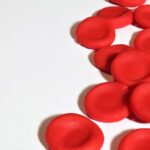
Red blood cells are shaped like flexible discs with a dent in the middle, a shape called a biconcave disc. That shape matters more than it might seem. It gives the cell a large surface area for its size, which helps oxygen move in and out quickly, and it lets the cell bend and fold so it can squeeze through capillaries narrower than the cell itself.
Mature red blood cells are unusual because they have no nucleus and no mitochondria. Losing the nucleus makes room for more hemoglobin, the oxygen-carrying protein. Losing the mitochondria means the cell does not use up the oxygen it is carrying. Instead, red blood cells generate energy through a process that does not consume oxygen. That is a small detail with a big consequence: the cargo does not get burned up by the vehicle transporting it.
A red blood cell lives about 120 days. As it ages, it becomes less flexible, and old or damaged cells are removed from circulation by the spleen and liver. Your bone marrow replaces them continuously.
How Do Red Blood Cells Carry Oxygen Step by Step?
The journey has four main stages, and each one depends on the chemistry of hemoglobin.
- In the lungs: Oxygen from the air you breathe crosses into tiny air sacs called alveoli and then into the blood. Here, oxygen binds to iron atoms in hemoglobin. Because the oxygen level in the lungs is high, hemoglobin grabs oxygen readily.
- In the bloodstream: The oxygenated red blood cells are carried through arteries toward the body’s tissues.
- In the tissues: Working cells use oxygen and produce carbon dioxide. This lowers the local pH and raises temperature, and both changes make hemoglobin release its oxygen more easily. This is called the Bohr effect, and it means oxygen gets dropped off exactly where it is needed most.
- Return trip: Red blood cells pick up carbon dioxide and carry it back toward the lungs, where it is exhaled. Most carbon dioxide travels in the blood as bicarbonate, not on hemoglobin, but hemoglobin does carry some of it.
One red blood cell contains roughly 270 million hemoglobin molecules. Each hemoglobin molecule holds four oxygen molecules, which is where the figure of about one billion oxygen molecules per cell comes from. That capacity is not fixed. Hemoglobin changes shape slightly each time it binds an oxygen molecule, which makes it easier for the next one to attach. This cooperative binding is why hemoglobin loads up quickly in the lungs and unloads quickly in the tissues.
What Is Hemoglobin and How Does It Bind Oxygen?
Hemoglobin is a protein made of four folded chains, and each chain holds a molecule called heme. At the center of each heme sits an iron atom. Oxygen binds reversibly to that iron, meaning it attaches in the lungs and detaches in the tissues without a permanent chemical change.
The iron is why blood is red. When oxygen is bound, the heme group reflects red light, which is why oxygen-rich blood in arteries looks bright red. Blood in veins looks darker because it carries less oxygen.
Because iron is central to this process, iron deficiency can reduce the amount of oxygen your blood can carry. Iron deficiency anemia is common, especially in women of childbearing age, and it can cause fatigue, shortness of breath, and pale skin. The relationship between iron status and oxygen delivery is well established. What is less simple is how aggressively to treat borderline low iron, since guidance on that varies and depends on the individual case. A clinician can check iron levels with blood tests.


What Affects How Much Oxygen Red Blood Cells Can Carry?
Several factors change how much oxygen your blood delivers to your tissues. Some are normal and expected. Others point to a health problem.
- Hemoglobin level: More hemoglobin means more oxygen-carrying capacity. Low hemoglobin, as in anemia, means less.
- Red blood cell count: Fewer cells mean less total oxygen transport, even if each cell works normally.
- Lung function: If your lungs cannot move oxygen into the blood efficiently, hemoglobin has less oxygen to pick up.
- Blood flow: Oxygen delivery depends on circulation. Poor blood flow to a tissue reduces oxygen reaching it, regardless of how much hemoglobin is in the blood.
- Temperature and pH: Warmer, more acidic tissue makes hemoglobin release oxygen faster, which is the Bohr effect at work.
One condition worth knowing about is carbon monoxide poisoning. Carbon monoxide binds to hemoglobin far more tightly than oxygen does, so it blocks oxygen from attaching. This is why carbon monoxide is dangerous at levels that would be harmless for other gases. If you suspect carbon monoxide exposure, leave the area and seek emergency care immediately.
How Does the Body Adjust Oxygen Delivery When Demand Changes?
When you exercise, your muscles need more oxygen, and your body responds on several fronts at once. Your breathing rate and depth increase. Your heart pumps faster and harder. Blood vessels in working muscles widen to allow more flow. And hemoglobin releases oxygen more readily because the tissue is warmer and more acidic.
At high altitude, the air pressure is lower, so less oxygen enters the blood with each breath. Over days to weeks, the body adapts by producing more red blood cells, a response driven by a hormone called erythropoietin. This is a normal physiological adjustment. The timeline varies from person to person, and some people adapt poorly and develop altitude sickness. This is why climbing to high altitude too quickly can be dangerous.
Red blood cell production is controlled by a feedback loop. When tissues sense low oxygen, the kidneys release erythropoietin, which signals the bone marrow to make more red blood cells. When oxygen levels are adequate, production slows. This system keeps red blood cell counts fairly stable in healthy people.
What Can Go Wrong With Oxygen Transport?
Problems with oxygen transport fall into a few broad categories, and each affects the system differently.
Too few red blood cells or too little hemoglobin. Anemia reduces the blood’s oxygen-carrying capacity. Causes include iron deficiency, blood loss, chronic disease, and some genetic conditions. Symptoms range from mild fatigue to severe shortness of breath, depending on how low the levels drop and how quickly it develops.
Abnormal hemoglobin. In sickle cell disease, a genetic change makes hemoglobin form stiff rods when it releases oxygen. This distorts red blood cells into a crescent shape, which can block blood flow and cause pain and organ damage. In thalassemia, the body makes less hemoglobin or makes it abnormally. Both are inherited conditions.
Problems with the red blood cell itself. Some conditions cause red blood cells to break down faster than the body can replace them, a process called hemolysis. Others cause the bone marrow to make fewer cells than needed.
Blocked or reduced blood flow. Even with normal hemoglobin, tissue can be starved of oxygen if blood flow is blocked, as in a heart attack or stroke. In these cases the problem is delivery, not the cargo.
These categories overlap, and a single person can have more than one issue at once. Diagnosis requires blood tests and, in some cases, specialized testing. No single symptom reliably identifies which problem is present.
How Do Doctors Measure Oxygen in the Blood?
Two common measurements show how well oxygen transport is working. A pulse oximeter clips onto a finger and estimates oxygen saturation, which is the percentage of hemoglobin carrying oxygen. In healthy people at sea level, normal oxygen saturation is generally between 95 and 100 percent, though this can vary with altitude and other factors.
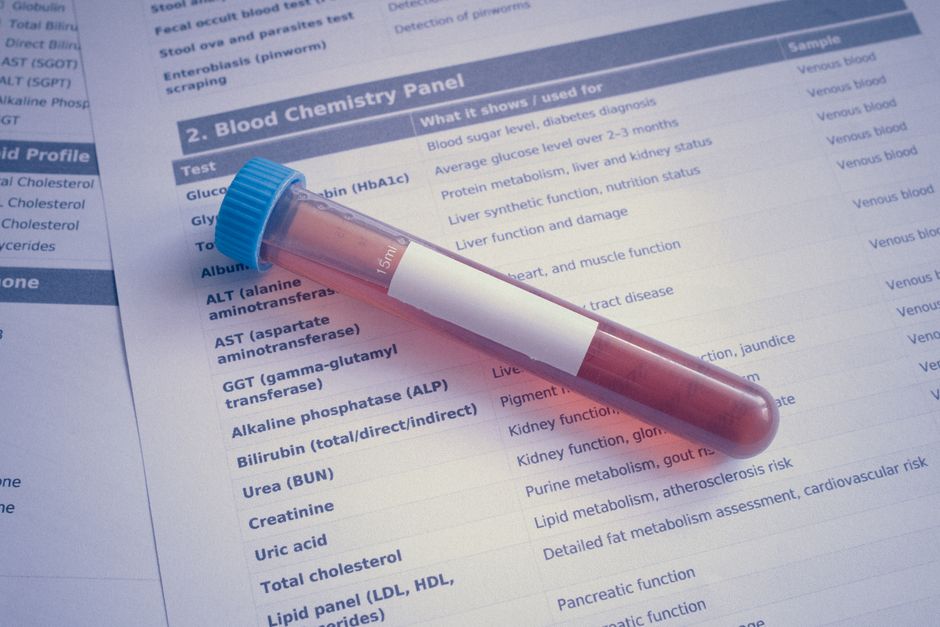
A blood gas test measures oxygen and carbon dioxide levels directly from a blood sample and gives more detail than a pulse oximeter. Doctors use it when they need precise information, such as in an emergency or during surgery.
Neither test measures how much oxygen your tissues are actually using. They measure oxygen in the blood. Tissue oxygen delivery depends on blood flow and other factors that these tests do not capture directly. This is a limitation worth knowing, because a normal reading does not always mean every tissue is getting enough oxygen.
Frequently Asked Questions
How many oxygen molecules can one red blood cell carry?
A single red blood cell can carry roughly one billion molecules of oxygen. This is possible because each cell contains about 270 million hemoglobin molecules, and each hemoglobin molecule binds four oxygen molecules.
What happens when red blood cells release oxygen?
Hemoglobin releases oxygen in tissues where cells are using it and producing carbon dioxide. The warmer, more acidic environment makes hemoglobin let go of its oxygen more easily, so oxygen is delivered where demand is highest.
Can red blood cells carry oxygen without hemoglobin?
No. Hemoglobin is the protein that binds oxygen, and without it red blood cells cannot transport meaningful amounts of oxygen. A small amount of oxygen also dissolves directly in blood plasma, but this accounts for only a tiny fraction of total oxygen delivery.
How long do red blood cells live and carry oxygen?
Red blood cells circulate for about 120 days before they are removed by the spleen and liver. Your bone marrow continuously produces new ones to replace those that wear out.
