
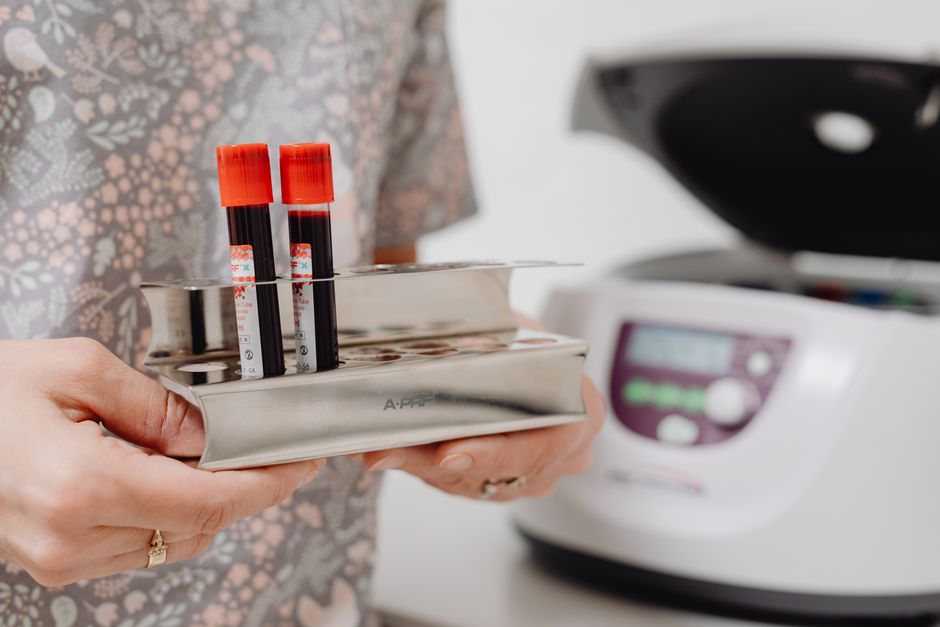
Blood is not magnetic in any way you could feel or use. It will not stick to a refrigerator magnet, and it does not respond to the magnets sold for pain relief. The iron in your blood is real, but it sits in a chemical form that does not attract magnets the way a piece of iron metal does.
The confusion comes from a reasonable question. Iron is magnetic. Blood contains iron. So why is not blood magnetic? The answer is chemistry. The iron inside you is locked into a specific molecular arrangement, and that arrangement changes everything about how it behaves around magnets.
Why Is Iron Magnetic in a Nail but Not in Blood?
The magnetism people think of when they picture iron comes from a property called ferromagnetism. In a solid piece of iron, large groups of atoms line up their magnetic fields in the same direction. Those aligned regions, called domains, can be pulled by a magnet. This is why a nail jumps toward a magnet and why iron filings form patterns on paper.
Iron in your blood is not in that form. It is not a chunk of metal. Each iron atom is held inside a larger molecule, and those molecules are spread out, not packed into a solid lattice. Without that solid structure, the domains that create strong magnetic attraction cannot form.
So the iron is there. It is just doing a completely different job in a completely different arrangement.
What Is the Iron in Blood Actually Doing?
Almost all of the iron in your body is bound inside hemoglobin, the protein inside red blood cells that carries oxygen. Each hemoglobin molecule holds four iron atoms, and each of those atoms can grab one oxygen molecule.
The iron sits at the center of a ring-shaped structure called a heme group. The iron atom is the exact spot where oxygen attaches. When blood picks up oxygen in the lungs, oxygen binds to this iron. When blood reaches tissues that need oxygen, the oxygen releases.
This is the core reason iron matters so much to human health. Without iron in the right form, oxygen transport fails. That is why iron deficiency causes fatigue and shortness of breath. The problem is not magnetism. The problem is oxygen delivery.
One detail worth knowing: the iron in hemoglobin must stay in a specific oxidation state to bind oxygen. If it shifts to another state, it cannot carry oxygen properly. This is why the body tightly controls how iron is stored and moved.
Is Blood Magnetic The Science Behind Iron And Oxygen
Blood has a very weak response to magnetic fields, and it is not the kind of magnetism that attracts metal. The medical term for this weak response is paramagnetism. Paramagnetic materials are pulled very slightly toward a magnetic field, but the force is tiny compared to a ferromagnet.
Here is the part that surprises people. The weak magnetic signal of blood changes depending on whether it is carrying oxygen.
Oxygenated blood, the bright red blood in your arteries, is slightly paramagnetic. Deoxygenated blood, the darker blood in your veins, is weakly diamagnetic, meaning it is pushed very slightly away from a magnetic field. This difference comes from the oxygen bound to the iron.
- Oxygenated hemoglobin: weakly paramagnetic, slightly attracted to a magnetic field
- Deoxygenated hemoglobin: weakly diamagnetic, slightly repelled by a magnetic field
- Neither state produces any force a person could feel
This is a real, measurable physical property. It is also completely irrelevant to daily life. The forces involved are so small that you would never notice them, and they have nothing to do with the magnets sold for health purposes.





Can Magnets Affect Blood Flow or Health?
No clinical evidence confirms that magnets placed on the skin change blood flow, treat disease, or improve health. This is one of the most heavily marketed claims in the wellness industry, and it does not hold up.
The magnetic fields from consumer magnets are far too weak to meaningfully affect blood movement or chemistry. Blood is not ferromagnetic, so a magnet cannot pull it or redirect it. The weak paramagnetic and diamagnetic effects are measurable in a laboratory but have no known effect on circulation or health.
Some small studies have looked at magnets for pain, and results have been mixed and generally unconvincing. The evidence is not strong enough to support magnets as a treatment for pain or any other condition. If a product claims to improve circulation or heal tissue through magnetism, that claim is not supported by clinical evidence.
What About MRI Scanners and Blood?
MRI machines use powerful magnetic fields, far stronger than any consumer magnet. If blood were strongly magnetic, MRI would be dangerous. It is not, because blood is only weakly magnetic.
The iron in your blood does not get pulled by an MRI magnet in any harmful way. MRI works by affecting the magnetic properties of hydrogen atoms, mostly in water and fat, not by attracting the iron in blood.
There is one real safety concern with MRI, and it is not about blood. It is about metal objects inside or on the body. Surgical implants, pacemakers, and metal fragments can be affected by the strong magnetic field. That is why MRI screening asks about metal in your body. Your blood is never the issue.
Does the Iron in Blood Make It Attract Magnets at All?
Not in any practical sense. If you held a strong magnet near a pool of blood, you would see no visible movement. The paramagnetic pull is real but far too weak to overcome gravity, surface tension, and the normal behavior of a liquid.
This is the key point that separates science from marketing. The word “magnetic” gets used loosely, and that loose use creates confusion. In physics, paramagnetic and ferromagnetic are very different things. Blood is paramagnetic. A nail is ferromagnetic. They behave nothing alike.
So when someone says blood is magnetic, the accurate response is that it has a slight magnetic response that is far too weak to matter in any real-world situation.
Why Does This Myth Keep Spreading?
The myth survives because it starts with a true fact. Iron really is magnetic, and blood really does contain iron. From there, people make a logical leap that turns out to be wrong.
The leap skips a step. It ignores that the form and arrangement of iron determine its magnetic behavior. It also ignores that the iron in blood is bound inside protein, not sitting as free metal.
Marketing then takes over. The idea that blood is magnetic sounds scientific and slightly mysterious. It gets used to sell magnetic bracelets, mattress pads, and patches. None of these products have clinical evidence behind them for the conditions they claim to address.
Understanding the actual chemistry is the best defense. Iron in hemoglobin carries oxygen. It does not attract magnets in any way that affects your body.
What Actually Matters About Iron in Your Body
The real story about iron is not magnetism. It is oxygen transport, energy, and the health problems that come when iron levels are too low or too high.
Iron deficiency is one of the most common nutritional deficiencies worldwide. It causes fatigue, weakness, pale skin, and shortness of breath because the body cannot make enough healthy red blood cells to carry oxygen. Treatment usually involves iron supplements or dietary changes, guided by a doctor and confirmed with blood tests.
Too much iron is also a problem. A condition called hemochromatosis causes the body to absorb and store excess iron, which can damage the liver, heart, and other organs over time. This is why iron supplements should not be taken without a reason and without medical guidance.
The body has no easy way to get rid of extra iron, so balance matters. That balance is managed through absorption in the gut, not through magnetism.
If you are concerned about your iron levels, a simple blood test can check them. Symptoms like ongoing fatigue or shortness of breath are worth discussing with a doctor rather than self-treating.
Frequently Asked Questions
Is blood actually magnetic?
Blood is very weakly paramagnetic when oxygenated and weakly diamagnetic when deoxygenated, but it is not ferromagnetic like a piece of iron metal. The magnetic forces involved are far too small to feel or use.
Why does iron make a nail magnetic but not blood?
In solid iron, atoms align into magnetic domains that create strong attraction. In blood, iron atoms are bound inside hemoglobin and spread out, so those domains cannot form.
Can magnets improve blood circulation?
No clinical evidence confirms that magnets placed on the skin improve circulation or treat disease. Consumer magnets are far too weak to affect blood movement or chemistry.
Does the iron in blood affect an MRI scan?
No, the iron in blood does not cause problems during an MRI. MRI safety concerns involve metal implants or fragments in the body, not the iron naturally present in blood.
