
Strong teeth are built from the inside out, but they are also protected from the outside in. The hard outer layer of your tooth, called enamel, is the hardest substance in your body, yet it cannot heal itself once it is damaged. To strengthen your teeth, you need to support the mineral structure of your enamel through diet, oral hygiene, and fluoride, while also maintaining the health of the gums and bone that hold your teeth in place.
What Actually Makes Teeth Strong?
Tooth enamel is made mostly of a mineral called hydroxyapatite, which is a crystalline form of calcium and phosphate. This structure is incredibly hard, but it is not living tissue. Because it has no blood supply, it cannot repair itself when it cracks or wears away.
Your body does have a natural defense. Saliva constantly bathes your teeth with calcium and phosphate ions. When the acid level in your mouth rises, such as after eating sugar, minerals leave the enamel—a process called demineralization. When the acid level drops, minerals go back into the enamel—a process called remineralization. This is a constant tug-of-war that happens all day long.
Strengthening your teeth means shifting this balance in favor of remineralization. You do this by limiting acid attacks and by making sure the building blocks—calcium, phosphate, and fluoride—are available when your teeth need them.
How Do I Strengthen My Teeth With Diet?
Your diet is the single most powerful tool for changing the chemistry in your mouth. Every time you eat fermentable carbohydrates—sugars and starches—bacteria in your dental plaque produce acid. This acid drops the pH in your mouth and pulls minerals out of your enamel.
Foods that are high in calcium and phosphate help support remineralization. Dairy products like milk, cheese, and plain yogurt are rich sources of these minerals. Cheese has an additional benefit: it stimulates saliva flow and may help buffer acid. Leafy greens, almonds, and canned fish with bones also provide calcium.
Foods rich in phosphorus, such as eggs, fish, and meat, also contribute to the mineral balance. Vitamin D is essential here because your intestines cannot absorb calcium efficiently without it. Your skin produces vitamin D from sunlight, and it is also found in fatty fish and fortified dairy products.
Crunchy vegetables and fruits, like apples and carrots, stimulate saliva production. Saliva is your mouth’s natural cleaning system. It washes away food particles and neutralizes acid. Chewing sugar-free gum after meals has a similar effect and is one of the most evidence-backed ways to promote remineralization.
Does Fluoride Really Strengthen Teeth?
Yes. Fluoride is the most thoroughly studied compound for strengthening teeth. It works in two ways. First, when fluoride is present during remineralization, it becomes incorporated into the enamel structure, forming a mineral called fluorapatite. This mineral is more resistant to acid than the original hydroxyapatite.
Second, fluoride disrupts the ability of bacteria to produce acid. This means that with regular fluoride exposure, your plaque becomes less harmful. This is why fluoride in toothpaste is so important—it is not just a marketing claim. Decades of research consistently show that fluoride reduces cavities.
Most adults should use a toothpaste containing fluoride. If you have a high risk of cavities, your dentist may recommend a prescription-strength toothpaste or an in-office fluoride varnish. The exact concentration matters. Standard over-the-counter toothpaste typically contains between 1,000 and 1,500 parts per million of fluoride. Prescription toothpaste contains higher levels, usually around 5,000 parts per million.





Can You Actually Remineralize Early Cavities?
Yes, but only in the earliest stage. A cavity does not appear suddenly. It begins as a white spot on the enamel—a zone of demineralization where the surface is still intact. At this stage, the enamel has not yet formed a hole, and remineralization is possible.
Fluoride, calcium, and phosphate can rebuild this weakened area if you catch it early. Once the enamel surface breaks and a true cavity forms, remineralization is no longer possible. The tooth cannot grow back. At that point, a dentist must remove the decayed tissue and place a filling.
This is why regular dental checkups matter. A dentist can identify early white spots and intervene with fluoride treatments or dietary advice before the damage becomes irreversible. Waiting until you feel pain means the decay has likely reached the dentin, the softer layer beneath enamel, and the cavity is well advanced.
What Role Do Gums and Bone Play in Tooth Strength?
A strong tooth is not just about enamel. The tooth is anchored in the jawbone by the periodontal ligament. If the bone and gums are unhealthy, the tooth becomes loose even if the enamel is perfectly intact.
Gum disease, particularly periodontitis, is a chronic bacterial infection that destroys the bone supporting your teeth. It is the leading cause of tooth loss in adults. The early stage, called gingivitis, causes red, swollen gums that bleed easily. At this stage, the damage is reversible with improved brushing, flossing, and professional cleaning.
Once the infection spreads below the gumline, it becomes periodontitis. The body’s immune response to the bacteria releases enzymes that break down the connective tissue and bone. This destruction is not reversible. Periodontal treatment can stop the progression, but lost bone does not grow back on its own.
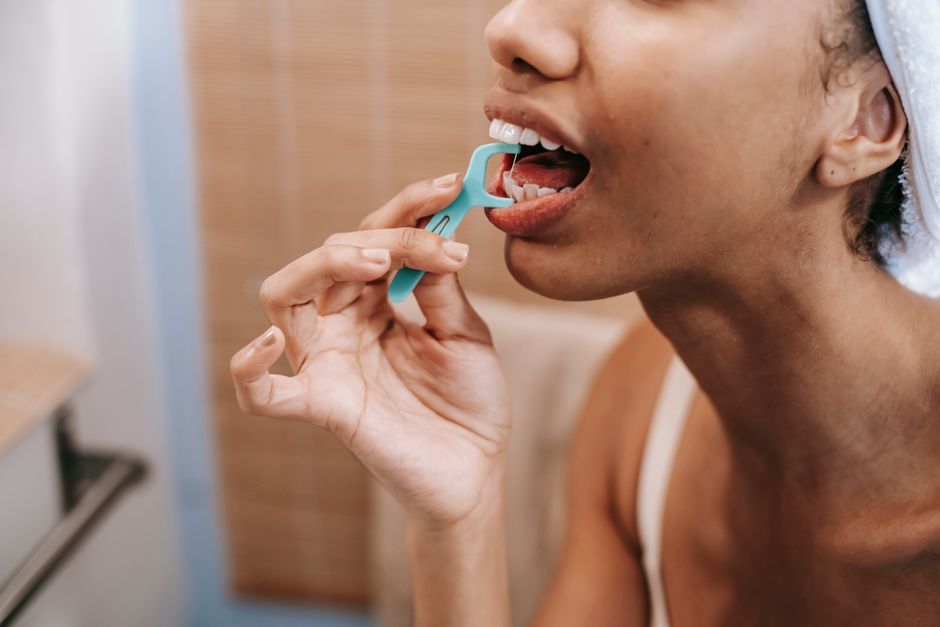
Brushing twice a day and cleaning between your teeth once a day is the foundation of preventing gum disease. Flossing or using interdental brushes removes plaque from the areas a toothbrush cannot reach. No mouthwash can replace this mechanical cleaning.
Do Whitening Treatments Weaken Teeth?
This is a common question, and the answer is more subtle than most people expect. Professional whitening uses hydrogen peroxide or carbamide peroxide to break down stain molecules in the enamel. This process does not remove enamel minerals, so it does not permanently weaken the structure of the tooth.
However, whitening can cause temporary sensitivity. The peroxide penetrates the enamel and reaches the dentin, where it can irritate the nerve inside the tooth. This sensitivity typically resolves within a few days after treatment ends.
Over-the-counter whitening products are safe when used as directed. The main risk comes from overuse. Whitening more frequently than recommended, or leaving strips on longer than the package instructs, can cause enamel erosion and lasting sensitivity. If you have existing enamel wear, exposed roots, or untreated cavities, whitening can make these problems worse. A dentist should evaluate your teeth before you start any whitening regimen.
What Habits Are Damaging Your Teeth Right Now?
Some habits cause direct physical damage to enamel. Grinding your teeth, especially at night, wears down the biting surfaces over time. Many people do not know they grind until a dentist notices the wear pattern. A custom night guard can protect your teeth from this mechanical abrasion.
Brushing too hard is another common problem. Using a hard-bristled brush or applying excessive pressure can wear away enamel at the gumline, a condition called abrasion. This creates notches in the teeth that can be sensitive and require filling. Use a soft-bristled brush and gentle, circular motions.
Acidic drinks are a hidden threat. Sodas, sports drinks, citrus juices, and even sparkling waters can lower the pH in your mouth. Frequent sipping of these drinks keeps your enamel in an acidic environment for extended periods. If you do consume acidic drinks, drink them with a meal and rinse your mouth with water afterward. Do not brush your teeth immediately after—your enamel is softened by the acid, and brushing can wear it away. Wait at least 30 minutes.
Dry mouth is also damaging. Saliva is your primary defense against acid. Many medications, including antihistamines, decongestants, and some antidepressants, reduce saliva flow. If you have chronic dry mouth, you are at significantly higher risk for cavities. Chewing sugar-free gum, drinking water frequently, and using a saliva substitute can help.
Frequently Asked Questions
Can tooth enamel grow back once it is damaged?
No. Tooth enamel has no living cells and cannot regenerate. Early demineralization can be reversed with fluoride and minerals, but once the enamel surface breaks, the damage is permanent and requires a filling.
How long does it take to remineralize teeth?
Early white spots can begin to remineralize within weeks to months of improved oral hygiene and fluoride use, but the process is gradual. The exact timeline varies based on the severity of the demineralization and your diet.
Is an electric toothbrush better for strengthening teeth?
Electric toothbrushes are not inherently better at strengthening enamel, but they remove plaque more consistently than manual brushing for most people. They are especially helpful if you tend to brush too hard, since many models have pressure sensors.
Does oil pulling strengthen teeth?
Some research suggests oil pulling may reduce plaque and gum inflammation, but no clinical evidence confirms that it strengthens tooth enamel. It does not replace brushing, flossing, or fluoride toothpaste.
