
Tooth enamel is the hardest substance in the human body, but it is not living tissue. Once it is lost, your body cannot grow it back. However, the process of remineralization is real. This is when minerals like calcium and phosphate are deposited back into the enamel before a cavity actually forms. You can actively support this natural process at home, but it requires specific conditions and the right ingredients. It is not about a single miracle paste; it is about changing the chemistry in your mouth to favor repair over decay.
How Does Tooth Remineralization Actually Work?
Your teeth are in a constant state of flux. Throughout the day, acids from food and bacteria pull minerals out of your enamel. This is called demineralization. When the acid is neutralized, your saliva works to push calcium and phosphate back into the weakened enamel. That is remineralization.
This is a continuous tug-of-war. If demineralization wins, you get a cavity. If remineralization wins, your enamel stays strong and can even repair early-stage damage. The key is that this repair only works if the enamel structure is still mostly intact. Once a cavity physically breaks through the enamel, remineralization cannot fill that hole. At that point, you need a dentist.
For the process to work, you need three things: a clean tooth surface, available minerals in your saliva, and a neutral or slightly alkaline pH in your mouth. If your mouth is too acidic, minerals cannot be deposited no matter how many you consume.
What Is the Most Effective Natural Remineralizing Agent?
The most effective agent is fluoride. It is naturally occurring and is the only ingredient with decades of clinical evidence proving it reverses early decay. Fluoride works by converting the weakened enamel mineral into a stronger, more acid-resistant form called fluorapatite.
Many people seeking “natural” options want to avoid fluoride. That is a personal choice, but you should know the evidence clearly favors fluoride for remineralization. It is more effective than any plant extract, mineral powder, or essential oil currently on the market.
If you choose to avoid fluoride, your best alternative is hydroxyapatite. This is the exact calcium phosphate mineral your teeth are made of. Some studies suggest nano-hydroxyapatite toothpaste can remineralize early lesions similarly to fluoride. The evidence is promising, but it is not as extensive as the fluoride research. It is a valid option, but it is not a proven equal replacement for everyone.
Can Diet Alone Remineralize Teeth?
Diet is the foundation, but it is not the whole answer. You cannot eat calcium and expect it to automatically attach to your teeth. The minerals must be dissolved in your saliva to be effective. That said, diet controls the pH of your mouth, which is the gatekeeper of the entire process.
You need to reduce the frequency of acid attacks. Every time you eat sugar or refined carbohydrates, bacteria produce acid for about 20 to 40 minutes. If you snack all day, your mouth never returns to a neutral pH. This prevents remineralization from ever starting.
Foods that help create a favorable environment include those high in calcium and phosphorus, such as dairy products, leafy greens, and nuts. Crunchy vegetables like carrots and celery stimulate saliva flow. Saliva is your natural delivery system for minerals. Chewing sugar-free gum with xylitol after meals also stimulates saliva and helps neutralize acid quickly.
There is a critical distinction to make here. Eating these foods is not the same as applying minerals directly to your teeth. The food helps your body produce good saliva, but it does not directly remineralize the enamel on contact.




What Natural Toothpaste Ingredients Actually Work?
When looking at commercial toothpaste, focus on the active ingredients, not the marketing claims. The most evidence-backed active ingredients for remineralization are fluoride and hydroxyapatite.
Other ingredients often found in natural toothpaste include:
- Xylitol – A natural sweetener that reduces bacteria growth. It helps prevent decay but does not directly deposit minerals into enamel.
- Baking soda – Neutralizes acid and gently polishes teeth. It does not add minerals to the enamel.
- Activated charcoal – This is abrasive. It can remove surface stains, but it does not remineralize. Overuse can actually wear away enamel, making teeth more vulnerable.
- Coconut oil – Has mild antibacterial properties. It does not remineralize teeth.
- Calcium and phosphate compounds – Only effective if they are in a form that dissolves in saliva and is delivered to the tooth surface. Simple calcium carbonate in toothpaste is not the same as the bioavailable forms used in clinical research.
Do not be fooled by a long ingredient list. The only thing that matters is whether the active ingredient has clinical trials showing it reverses early decay.
Does Oil Pulling Remineralize Teeth?
Oil pulling is the practice of swishing oil, usually coconut or sesame, in your mouth for 15 to 20 minutes. It is an ancient Ayurvedic practice that has gained popularity in recent years.
There is no clinical evidence that oil pulling remineralizes teeth. It does not add calcium or phosphate to the enamel. Its only plausible benefit is mechanical. Swishing oil for 20 minutes dislodges some food particles and bacteria, similar to a mild mouthwash. Some research suggests it may reduce plaque and gingivitis, but the studies are limited and of varying quality.
Oil pulling is not harmful if done correctly. It is a poor substitute for brushing and flossing. If you are using it to avoid fluoride or to treat existing decay, you are likely to be disappointed. It cannot reverse early cavities.
How Long Does Remineralization Take?
This is not a quick process. Early-stage white spots on teeth, which are the first visible sign of demineralization, can take several weeks to several months to reverse. The exact timeline depends on the severity of the damage, your oral hygiene, and your diet.
In a clinical setting, dentists see measurable changes in enamel hardness after about three to six months of consistent fluoride use. At-home remineralization is slower because you are relying on your saliva and toothpaste rather than high-concentration professional treatments.
If you have a white spot that has turned brown or is causing pain, that is a cavity. It will not remineralize. You need to see a dentist. Remineralization is only for the earliest stage of decay, before the enamel surface breaks.
Can You Remineralize a Cavity at Home?
No. Once a cavity has formed a hole in your tooth, it is permanent. The enamel structure is broken, and your body cannot rebuild it. Bacteria are now inside the tooth, and no toothpaste or dietary change will reach them.
This is the most dangerous myth in natural dental care. Waiting to treat a cavity can allow the decay to spread to the dentin, which is softer than enamel, and eventually to the pulp, where the nerves and blood vessels are. At that point, you need a root canal or extraction.
You can only remineralize a lesion that has not yet cavitated. If you are unsure whether you have a cavity, you cannot tell by looking. Tooth sensitivity, pain when eating sweets, or a visible dark spot are signs you need professional evaluation. Do not attempt to treat this at home.
What Is the Best Daily Routine for Remineralization?
There is no single product that fixes everything. You need a comprehensive routine that addresses the chemistry of your mouth daily.
Brush twice a day with a fluoride or hydroxyapatite toothpaste. Do not rinse your mouth with water immediately after brushing. Spit out the excess toothpaste, but leave the residue on your teeth. This allows the active ingredients to keep working for longer. This single change has a significant impact.
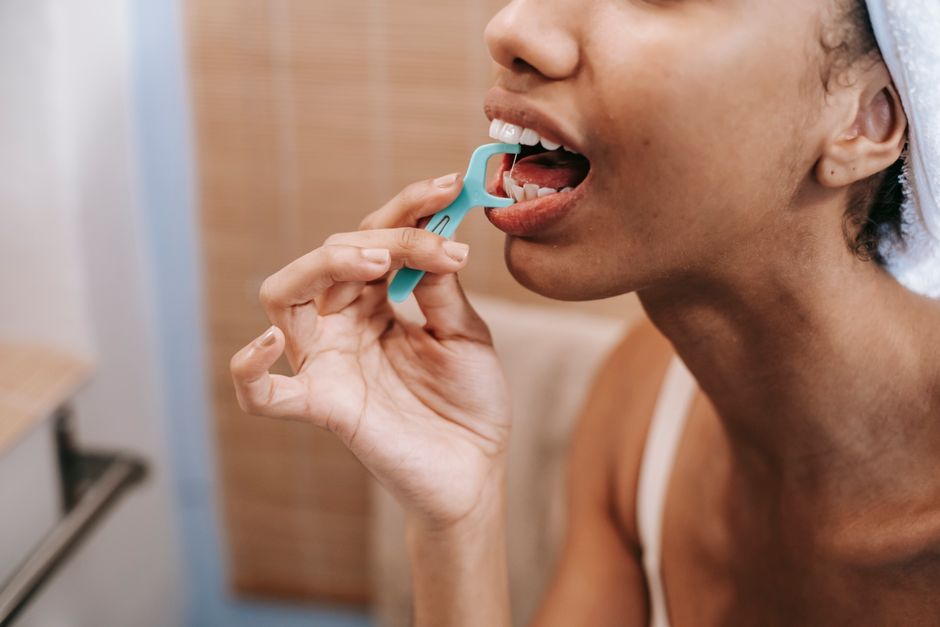
Floss daily. Remineralization cannot occur between teeth if plaque is blocking the mineral ions from reaching the enamel. Flossing is not optional for this process.
Limit snacking. Give your saliva time to neutralize acid and repair enamel between meals. If you must snack, choose something non-acidic and non-sugary, like cheese or nuts.
Stay hydrated. A dry mouth has low saliva volume, which means fewer minerals are available for repair. Sipping water throughout the day supports your natural remineralization system.
Are Natural Remineralization Products Safe?
Most are safe when used as directed. The concern is not safety; it is effectiveness. Many products claim to remineralize teeth but contain no active ingredient with proven ability to do so.
Be cautious with abrasive products. Toothpaste with high abrasivity can remove the very enamel you are trying to build. This includes many charcoal powders and some “whitening” natural pastes. Look for a toothpaste with a low Relative Dentin Abrasivity (RDA) value if you are concerned about enamel wear.
If you are pregnant or breastfeeding, fluoride toothpaste is considered safe. Hydroxyapatite is also considered safe. Always check with your healthcare provider if you have specific concerns about ingredients.
Frequently Asked Questions
Can baking soda remineralize teeth?
No. Baking soda neutralizes acid and removes surface stains, but it does not add calcium or phosphate to your enamel. It can be a useful part of a routine, but it is not a remineralizing agent on its own.
How can I remineralize my teeth naturally without fluoride?
Use a toothpaste containing nano-hydroxyapatite, which is a bioavailable form of calcium phosphate. You also need to limit sugar, avoid acidic drinks, and chew sugar-free gum to stimulate saliva flow. The evidence for hydroxyapatite is promising but not as extensive as it is for fluoride.
Does coconut oil pulling reverse cavities?
No. Oil pulling reduces bacteria and plaque, but it cannot reverse existing cavities. Once a cavity has formed a hole in the enamel, no home remedy can repair it.
What foods help remineralize teeth?
Foods high in calcium and phosphorus, such as cheese, milk, yogurt, and leafy greens, provide the building blocks for enamel. Crunchy vegetables stimulate saliva, which is the delivery system for minerals to your teeth.
