
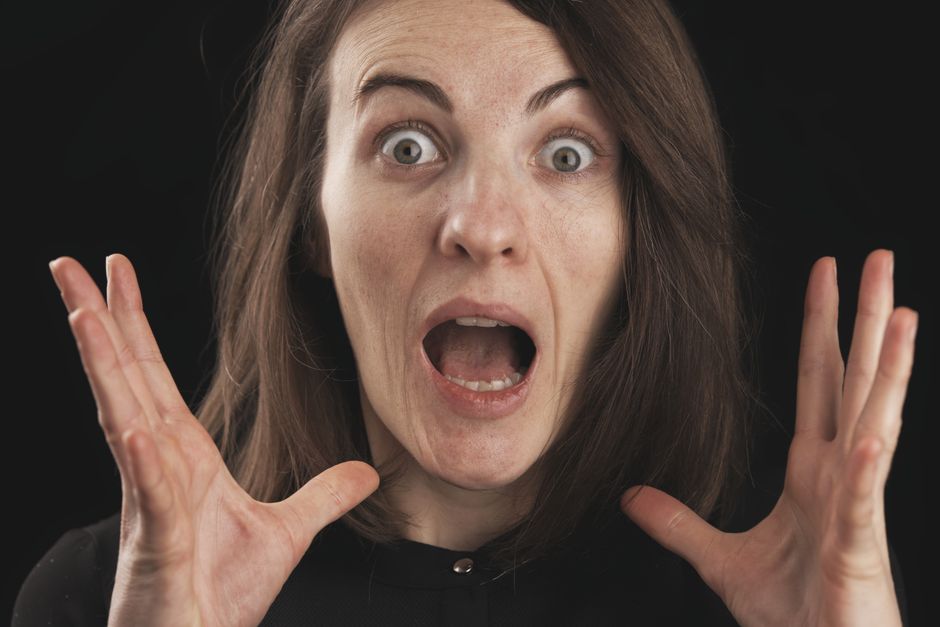
A panic attack feels like your body has sounded a false alarm. Your heart races, you can’t catch your breath, and you may feel certain you are dying or losing control. The symptoms are real, intense, and often terrifying. The key to knowing if you are having a panic attack is recognizing the sudden surge of intense fear paired with specific physical symptoms that peak within minutes. This guide explains exactly what those symptoms look like, how a panic attack differs from other medical emergencies, and what to do when one happens.
What Does a Panic Attack Actually Feel Like?
A panic attack is a sudden episode of intense fear that triggers severe physical reactions when there is no real danger. The experience is deeply personal, but most people describe an overwhelming sense of doom. You may feel like you are having a heart attack, suffocating, or going crazy.
The physical symptoms come on fast, usually reaching their peak within 10 minutes. Common signs include a pounding or racing heart, sweating, trembling, and shortness of breath. Many people feel chest pain, dizziness, or a sensation of choking. Nausea, chills, or hot flashes are also common.
One of the most frightening symptoms is depersonalization or derealization. You may feel detached from your own body or like the world around you is not real. This is a known symptom of panic, not a sign of psychosis. It passes when the attack subsides.
The diagnostic criteria from the American Psychiatric Association require four or more of these symptoms to classify a panic attack. But you do not need to count symptoms to know something is wrong. If the fear and physical sensations are sudden and intense, you are likely experiencing a panic attack.
How Do I Know If Im Having a Panic Attack and Not a Heart Attack?
This is the most common question people ask, and it deserves a direct answer. Panic attacks and heart attacks share many symptoms, including chest pain, shortness of breath, sweating, and a racing heart. The distinction matters because heart attacks are medical emergencies.
There are differences, but they are not foolproof. Panic attack chest pain is often sharp or stabbing and localized to a small area. Heart attack pain is more often a pressure, squeezing, or fullness that may spread to the arm, jaw, or back. Panic attacks frequently involve a tingling sensation in the hands or face, which is less typical of heart attacks.
Age and risk factors matter. A healthy 30-year-old with no family history of heart disease is far more likely to be having a panic attack than a heart attack. An older person with high blood pressure, diabetes, or a smoking history needs to take chest pain more seriously.
Here is the honest truth: you cannot always tell the difference on your own. If you have chest pain and are unsure of the cause, seek emergency medical care. It is always better to be evaluated and told it is a panic attack than to ignore a heart attack. Emergency rooms see panic attacks constantly, and no one will judge you for coming in.
What Causes Panic Attacks to Happen?
Panic attacks occur when the brain’s fear circuit misfires. The amygdala, the part of the brain that processes threats, signals danger even when none exists. This triggers the sympathetic nervous system, releasing adrenaline and preparing your body for fight or flight.
This response is protective in real danger. It redirects blood to your muscles, increases your heart rate, and sharpens your senses. During a panic attack, the same system activates without an actual threat. Your body prepares to fight or flee, but there is nothing to fight.
Genetics play a role. Panic disorder tends to run in families, suggesting a hereditary component. Major life stress, such as a divorce, job loss, or death of a loved one, can trigger the first attack. Some people experience their first panic attack during a period of significant change, like starting a new job or having a baby.
Certain substances can trigger panic attacks. Caffeine, stimulants, and some cold medications can provoke them in susceptible people. Withdrawal from alcohol or benzodiazepines can also cause panic symptoms. If you notice a pattern between what you consume and when attacks happen, that information is worth sharing with your doctor.



What Is the Difference Between a Panic Attack and an Anxiety Attack?
The terms are often used interchangeably, but they are not the same thing. A panic attack is a defined clinical event with a sudden onset and intense symptoms. An anxiety attack is not a formal medical diagnosis. It is a term people use to describe a period of intense worry that builds gradually.
Panic attacks typically come out of nowhere. You can be sitting calmly watching television and suddenly feel like you are dying. Anxiety, by contrast, usually builds over time. It is often linked to a specific stressor, like an upcoming presentation or a difficult conversation.
The intensity differs too. Panic attacks are overwhelming and often disabling. You may need to stop what you are doing and sit down. Anxiety is unpleasant but usually allows you to continue functioning, even if poorly.
Panic attacks usually last 5 to 20 minutes. Anxiety can persist for hours, days, or even longer. Understanding this distinction helps you know what you are dealing with and how to respond.
What Should You Do When a Panic Attack Starts?
When a panic attack begins, your first instinct may be to fight it. That is usually the wrong move. Fighting the symptoms often makes them worse because it signals to your brain that the danger is real. Instead, remind yourself that this is a panic attack, it is not dangerous, and it will pass.
Grounding techniques can help bring you back to the present moment. The 5-4-3-2-1 method is simple and effective. Name five things you can see, four things you can touch, three things you can hear, two things you can smell, and one thing you can taste. This forces your brain to shift focus from internal sensations to the external world.
Slow breathing matters. Rapid, shallow breathing during a panic attack can cause hyperventilation, which worsens dizziness and tingling. Try breathing in through your nose for a count of four, holding for a moment, and exhaling slowly through your mouth for a count of six. This activates the parasympathetic nervous system, which helps calm your body.
Do not leave the situation if you can avoid it. Staying put teaches your brain that the situation is not dangerous. Leaving reinforces the idea that you need to escape to feel safe. If you are in a safe place, stay there and ride out the wave.
When Should You See a Doctor About Panic Attacks?
One panic attack does not mean you have panic disorder. Many people experience a single attack in their lifetime and never have another. But if attacks are recurring, or if you are constantly worried about having another one, it is time to see a healthcare provider.
A doctor can rule out medical conditions that mimic panic attacks. Thyroid disorders, heart rhythm problems, and low blood sugar can all produce similar symptoms. A thorough evaluation typically includes a physical exam, blood work, and possibly an electrocardiogram.
If you receive a diagnosis of panic disorder, treatment is effective. Cognitive behavioral therapy is well-supported by research. It helps you identify and change the thought patterns that fuel panic. Selective serotonin reuptake inhibitors, commonly called SSRIs, are FDA-approved for panic disorder and can significantly reduce attack frequency.
The evidence for these treatments is strong. Many people see substantial improvement within weeks to months. If you are struggling, know that panic attacks are highly treatable. You do not need to suffer in silence or simply accept this as your new normal.
Can You Prevent Panic Attacks From Happening?
Prevention is possible, but it requires understanding your triggers. Not everyone can identify a clear trigger. Some panic attacks occur without any identifiable cause. For those that are triggered, avoiding or managing the trigger can reduce frequency.
Regular exercise has consistent evidence for reducing anxiety. Aerobic exercise, in particular, helps regulate stress hormones and improves mood. Even a 20-minute walk several times per week can make a meaningful difference.
Sleep matters more than most people realize. Sleep deprivation increases amygdala reactivity, making you more prone to panic. Prioritizing consistent sleep is one of the most effective prevention strategies available.
Limiting caffeine and alcohol is worth trying. Both can provoke panic symptoms in susceptible individuals. If you notice a connection, reducing intake may help. This is not a guarantee, but it is a reasonable step supported by clinical experience.
Frequently Asked Questions
How long does a panic attack last?
A panic attack typically peaks within 10 minutes and resolves within 20 to 30 minutes. Some people experience waves of symptoms that last longer, but the intense peak is usually brief.
Can you have a panic attack while sleeping?
Yes, nocturnal panic attacks occur during sleep and wake you suddenly with intense fear and physical symptoms. They are real and treatable, and they do not indicate a more serious medical condition.
Is it possible to have a panic attack without feeling afraid?
Yes, some people experience the physical symptoms of panic without the emotional feeling of fear. These are sometimes called limited-symptom panic attacks, and they are still recognized as panic attacks.
What is the fastest way to stop a panic attack?
There is no instant cure, but slow breathing and grounding techniques are the fastest ways to reduce intensity. Reminding yourself that the attack is temporary and not dangerous also helps it pass more quickly.
