
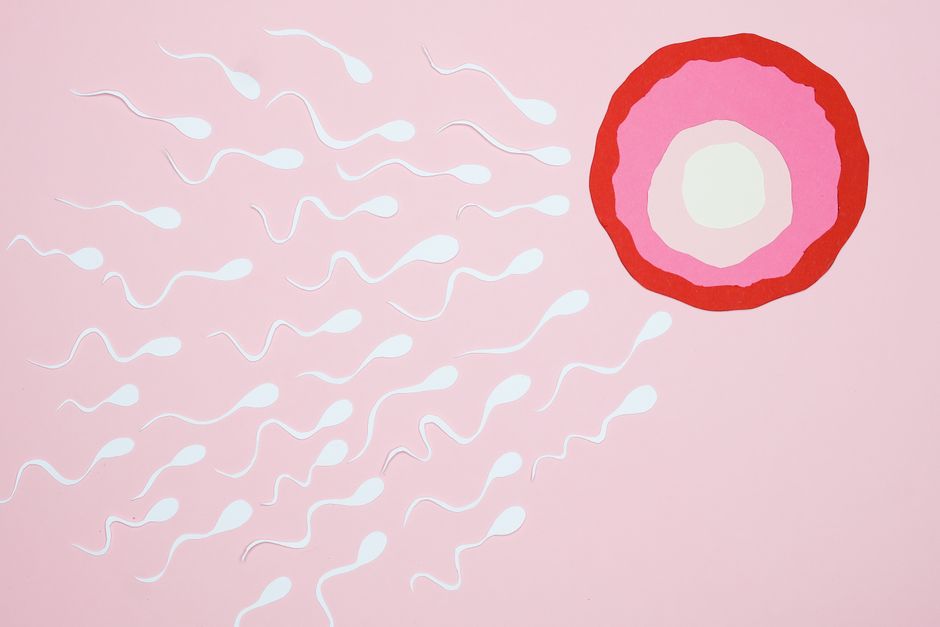
Ovulation is the release of an egg from your ovary, and it typically happens once per menstrual cycle. You can know you ovulated by tracking physical signs like cervical mucus changes and basal body temperature, or by using ovulation predictor kits that detect a hormone surge in your urine. The most reliable way to confirm ovulation after it happens is a blood test for progesterone, but at-home methods give you a good real-time picture for most purposes.
What Actually Happens During Ovulation?
Ovulation is one event in a longer hormonal sequence. Your brain sends signals to your ovary to ripen a follicle — a small sac holding an egg. When that follicle matures, it releases the egg into your fallopian tube. That release is ovulation.
The egg survives about 12 to 24 hours after release. If sperm is present in the fallopian tube during that window, fertilization can occur. If not, the egg dissolves and your body moves toward your next period.
This timing matters. A woman is only fertile for about six days per cycle — the five days before ovulation and the day of ovulation itself. Sperm can live inside the reproductive tract for up to five days, which is why couples trying to conceive often have sex in the days leading up to ovulation, not just on the day itself.
How Do I Know If I Ovulated? Signs And Tests You Can Use
There are several ways to know whether ovulation happened. Some are signs your body gives you naturally. Others are tests you can buy or have done at a clinic. Each method measures something different, and combining methods gives you the most accurate picture.
The main approaches are cervical mucus tracking, basal body temperature, ovulation predictor kits, calendar tracking, and blood tests. Here is what each one can and cannot tell you.
Cervical Mucus: Your Body’s Natural Fertility Signal
Your cervix produces mucus that changes in consistency throughout your cycle under the influence of estrogen. In the days before ovulation, estrogen rises and mucus becomes more abundant, clearer, and stretchy — similar to raw egg whites. This is called fertile-quality mucus.
This stretchy mucus serves a purpose. It helps sperm travel through the cervix and survive longer in the reproductive tract. Its appearance is a reliable signal that ovulation is approaching.
After ovulation, progesterone takes over and mucus typically becomes thicker, cloudier, or drier. This change suggests ovulation has already occurred. Tracking mucus daily and noting these changes is a legitimate method used in fertility awareness approaches.
Some women do not produce obvious fertile mucus, even when ovulating. This can happen for various reasons, including certain medications like antihistamines that dry up secretions. If you track mucus and never see the egg-white pattern, that does not necessarily mean you are not ovulating.



Basal Body Temperature: Confirming Ovulation After It Happens
Basal body temperature is your temperature at complete rest, taken first thing in the morning before any activity. Progesterone, which rises after ovulation, causes a slight temperature increase — usually about 0.5 to 1 degree Fahrenheit.
You take your temperature at the same time every morning before getting out of bed. After ovulation, you will see a sustained temperature rise that stays elevated until your next period. This rise confirms ovulation has occurred, but it cannot predict it in advance. By the time your temperature rises, the egg is already released.
The temperature shift is small and can be affected by illness, poor sleep, alcohol, or travel. A single reading means little. The pattern across several days is what matters. You need at least three consecutive elevated temperatures to confirm ovulation has taken place.
This method confirms ovulation after the fact. It does not help you time intercourse for the day of ovulation itself, because the fertile window begins several days before the temperature rise appears.
Ovulation Predictor Kits: Detecting the LH Surge
Ovulation predictor kits, or OPKs, are urine tests that detect luteinizing hormone, or LH. A sharp rise in LH — called the LH surge — triggers the ovary to release the egg. This surge typically happens 24 to 36 hours before ovulation.
You test once or twice daily in the days leading up to expected ovulation. When the test line is as dark as or darker than the control line, your surge has started. Ovulation usually follows within one to two days.
OPKs are highly sensitive at detecting the LH surge, but they have limitations. Some women have short or weak surges that testing might miss. Others have elevated LH levels at baseline, which can make the test read positive even when no surge is happening. Women with polycystic ovary syndrome, or PCOS, often fall into this category.
OPKs tell you ovulation is about to happen. They do not confirm that it actually did. A positive OPK followed by other signs — like a temperature rise or mucus change — gives you stronger confirmation.
Calendar Tracking and Cycle Apps: Helpful but Imprecise
Calendar methods estimate ovulation based on cycle length. Most women ovulate about 14 days before their next period starts. If your cycle is 28 days, that puts ovulation around day 14. If your cycle is 35 days, ovulation is more likely around day 21.
This method assumes your luteal phase — the time between ovulation and your next period — is consistent. For most women it is, typically lasting 12 to 14 days. But cycle lengths vary, and ovulation can occur earlier or later than expected even in regular cycles.
Cycle tracking apps use this same logic and often combine it with entered symptoms like mucus or temperature. They are convenient but only as accurate as the information you put into them. An app that predicts ovulation based solely on cycle history is working from averages, not from your body’s actual signals.
For women with irregular cycles, calendar methods are significantly less reliable. If your cycles vary by more than a few days, tracking physical signs or using OPKs gives you better information.
Blood Tests: The Most Definitive Confirmation
A blood test for progesterone is the gold standard for confirming ovulation. Progesterone rises after ovulation and peaks about seven days later. A blood test taken in the mid-luteal phase — roughly one week after suspected ovulation — can confirm it happened.
Doctors also sometimes use ultrasound to watch a follicle grow and then disappear after release. This is the most direct visual confirmation but requires multiple visits and is typically reserved for fertility treatment or specific medical evaluations.
Home urine progesterone tests also exist. They measure a progesterone metabolite called PdG. These tests are newer than OPKs and can confirm ovulation after it occurs, similar to temperature tracking but with a clearer positive or negative result.
For most women trying to conceive, blood tests and ultrasounds are unnecessary. Home methods provide enough information to time intercourse effectively. Blood testing becomes relevant when cycles are irregular, ovulation is uncertain, or a fertility evaluation is underway.
What If You Do Not See Signs of Ovulation?
Anovulation — cycles without ovulation — happens occasionally for most women. Stress, illness, significant weight changes, intense exercise, and hormonal conditions can all disrupt ovulation. Occasional anovulatory cycles are normal and usually resolve on their own.
If you never see signs of ovulation across multiple cycles, or if your cycles are consistently irregular, it is worth discussing with a healthcare provider. Irregular cycles can indicate hormonal imbalances like PCOS or thyroid conditions. These are treatable, and ovulation often resumes with appropriate care.
Missing ovulation signs does not always mean ovulation is absent. Some women ovulate without noticeable mucus or temperature changes. If you are trying to conceive and have not confirmed ovulation after several months of tracking, a doctor can help determine whether ovulation is actually occurring.
Common Myths About Ovulation Signs
Mittelschmerz — one-sided pelvic pain around ovulation — is real but not universal. Some women feel a brief twinge or dull ache when the egg is released. Most women do not feel anything at all. Its absence means nothing.
Breast tenderness, bloating, and mood changes are often attributed to ovulation, but these symptoms are caused by progesterone and are more common in the days after ovulation. They indicate your body produced progesterone — which only happens after ovulation — but they are too vague to time anything by.
Some online sources claim you can tell you ovulated by your position in your cycle alone. Cycle day tells you when ovulation is statistically likely, not when it actually happened. Only direct signs or tests confirm it.
Frequently Asked Questions
How many days after ovulation will a pregnancy test be positive?
A pregnancy test can turn positive as early as 8 to 10 days after ovulation, but waiting until 12 to 14 days gives a more reliable result. Testing too early can produce a false negative even if you are pregnant.
Can you ovulate without having a period?
Yes, ovulation can occur without a period, especially in women who have irregular cycles or are breastfeeding. You can also have a period without ovulating, which is called an anovulatory cycle.
Do ovulation predictor kits work for everyone?
No. Women with PCOS or other hormonal conditions may have persistently elevated LH that makes OPKs less reliable. Women approaching menopause may also see irregular results due to changing hormone levels.
Is it possible to ovulate twice in one cycle?
True double ovulation — releasing two eggs in one cycle — can happen, but it is uncommon and usually occurs within 24 hours of the first release. This is how fraternal twins are conceived, but it does not mean you ovulate on two separate days.
