
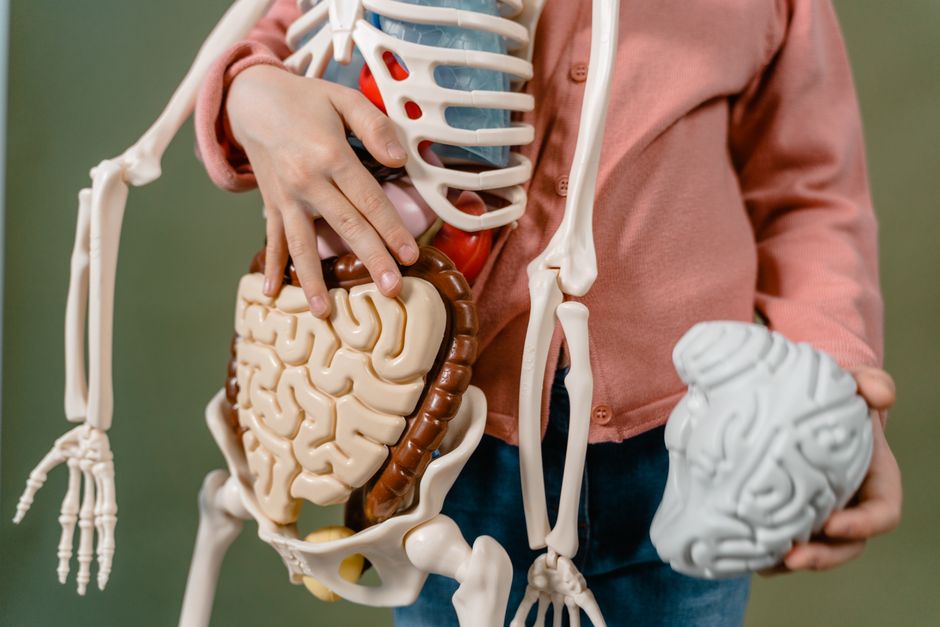
Your gut health affects digestion, immunity, and even mood. To restore it naturally, focus on eating a diverse range of high-fiber plant foods, adding fermented foods to your diet, and cutting back on ultra-processed foods and unnecessary antibiotics. These methods are supported by solid scientific evidence.
What Does Gut Health Really Mean?
A healthy gut contains a balanced community of trillions of bacteria, fungi, and viruses — your gut microbiome. This ecosystem helps digest food, produces vitamins, protects against harmful germs, and communicates with your brain and immune system. When the microbiome lacks diversity or harmful species outgrow beneficial ones, it is called dysbiosis. Dysbiosis has been linked to digestive problems, inflammation, and even metabolic conditions. Restoring gut health means supporting a diverse, stable microbiome and an intact gut lining.
What Are the Signs Your Gut Needs Help?
Common symptoms of an imbalanced gut include bloating, gas, diarrhea, constipation, and heartburn. Less obvious signs may include fatigue, skin issues, food intolerances, and frequent infections. However, these symptoms can also stem from other medical conditions. If you experience persistent digestive problems, see a doctor before assuming the cause is your microbiome. Self-diagnosing gut issues based on symptoms alone can lead to unnecessary dietary restrictions or expensive supplements that do not help.
How Does Diet Restore Gut Health?
Diet is the single most powerful tool for restoring gut health. Research consistently shows that eating a variety of plant foods increases microbiome diversity. Fiber is the key — your gut bacteria ferment fiber into short-chain fatty acids that feed colon cells and reduce inflammation. Adults should aim for 25 to 38 grams of fiber daily from fruits, vegetables, legumes, whole grains, nuts, and seeds. Fermented foods also provide live beneficial bacteria. A 2021 study in Cell found that eating fermented foods like yogurt, kefir, kimchi, and sauerkraut increased microbiome diversity and lowered inflammatory markers over 10 weeks. Cutting out ultra-processed foods — which often contain emulsifiers, artificial sweeteners, and preservatives — may also help, though the evidence on specific additives is still emerging.



Do Probiotics and Prebiotics Help?
Probiotics are live bacteria you ingest; prebiotics are the fiber that feeds them. For general gut health, food sources are usually better than pills. Yogurt, kefir, and fermented vegetables provide natural probiotics without the uncertainty of supplement quality. Some studies suggest specific probiotic strains can help with antibiotic-associated diarrhea, irritable bowel syndrome, and certain infections. But no single probiotic supplement has been proven to restore a damaged microbiome in everyone. The evidence is strongest for using probiotics alongside antibiotics, not as a daily tonic for health. Prebiotic-rich foods — garlic, onions, leeks, asparagus, bananas, oats — are well-supported and safer than fiber supplements. Fiber from whole foods provides a range of prebiotics that no single supplement can match.
Can Lifestyle Changes Improve Your Gut?
Yes, and the evidence is growing. Poor sleep quality is linked to lower microbiome diversity. One study found that even two nights of partial sleep deprivation reduced beneficial bacteria. Aim for 7 to 9 hours of consistent sleep nightly. Chronic stress also disrupts the gut-brain axis and can alter the microbiome. Practices like mindfulness, meditation, and regular exercise lower stress hormones. Moderate exercise — 30 minutes of brisk walking most days — has been associated with greater microbial diversity. But do not expect quick fixes; lifestyle changes work gradually over weeks to months.
What Should You Avoid for a Healthy Gut?
Unnecessary antibiotics are the most direct threat to your gut microbiome. They kill beneficial bacteria along with harmful ones. Only take antibiotics when your doctor confirms a bacterial infection. Overuse of NSAID pain relievers like ibuprofen can damage the gut lining. Some evidence suggests that artificial sweeteners such as saccharin and sucralose may alter the microbiome in ways that impair glucose tolerance, but human studies are small and results are mixed. The safest recommendation is to limit all ultra-processed foods and sweeteners as part of an overall healthy diet. High alcohol intake also damages the gut barrier — limit to one drink per day for women, two for men, if you drink at all.
Frequently Asked Questions
How long does it take to restore gut health naturally?
Most people see improvements in digestion within two to four weeks of consistent dietary changes. Full microbiome shifts can take several months, and long-term maintenance is needed to keep the diversity high.
Can I restore my gut health without probiotics?
Yes. A high-fiber diet with plenty of fruits, vegetables, and whole grains is the most effective way to support gut bacteria. Fermented foods add beneficial microbes but are not essential.
Does a gut cleanse or detox work?
No evidence supports commercial gut cleanses or detox teas for restoring gut health. Many can actually harm your microbiome by causing diarrhea or electrolyte imbalances. A balanced diet is safer and more effective.
Is apple cider vinegar good for gut health?
Some small studies suggest apple cider vinegar may improve blood sugar control, but no human research shows it directly restores the microbiome. It is not a proven gut health treatment.
