
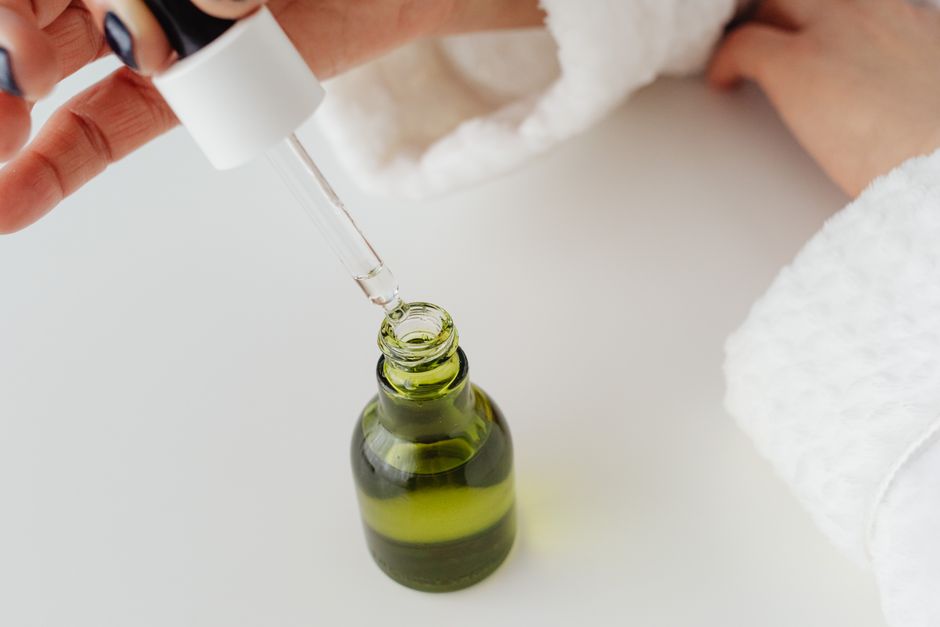
Poison ivy rashes are miserable. The itching, the blisters, and the oozing can last for weeks if not treated properly. While no essential oil is a cure, some may help soothe the skin and reduce inflammation during the healing process. The most commonly recommended essential oils for poison ivy are chamomile, tea tree, and peppermint, but you must use them safely and never apply them to broken or oozing skin.
What Causes the Poison Ivy Rash?
The rash is not caused by the plant itself but by an oil called urushiol. This resin is found in the leaves, stems, and roots of poison ivy, poison oak, and poison sumac. When urushiol touches your skin, it binds quickly and triggers an allergic reaction.
Within 12 to 72 hours, most people develop redness, swelling, and intensely itchy blisters. The reaction is a form of contact dermatitis. It is not contagious, and the fluid from blisters does not spread the rash. Only urushiol that remains on skin, clothing, or tools can cause new outbreaks.
Washing with soap and water within 30 minutes of exposure can remove most of the oil. After that window, the oil has already bonded to skin cells, and the reaction is underway. This is why prevention and early washing matter more than any treatment applied later.
Which Essential Oils Are Used for Poison Ivy?
Some essential oils have anti-inflammatory and antimicrobial properties that may help with symptom relief. None of them remove urushiol or stop the allergic reaction once it has started. They are supportive measures, not cures.
Chamomile essential oil is the most frequently cited option. German chamomile contains a compound called bisabolol, which has documented anti-inflammatory effects. Some research suggests it can reduce skin inflammation, though specific studies on poison ivy are lacking.
Tea tree oil is known for its antimicrobial properties. It may help prevent secondary infection if the skin is scratched open, but it can also be irritating to sensitive skin. It should never be used at full strength.
Peppermint oil creates a cooling sensation that can temporarily distract from itching. The menthol in peppermint activates cold-sensitive receptors in the skin. This does not treat the rash itself, but many people find it comforting.
Lavender and eucalyptus oils are also mentioned in anecdotal reports. The evidence for their effectiveness on poison ivy specifically is very limited.
How to Use Essential Oils Safely
Essential oils are highly concentrated plant extracts. Applying them directly to the skin undiluted can cause chemical burns or worsen the rash. They must always be mixed with a carrier oil.
Safe carrier options include coconut oil, jojoba oil, olive oil, or a plain unscented lotion. A typical dilution is 3 to 5 drops of essential oil per 1 tablespoon of carrier oil. This is roughly a 1 to 2 percent dilution, which is considered safe for most adults.
Before applying to a large area, test a small patch of unaffected skin. Wait 30 minutes to check for redness or irritation. If the skin reacts, do not use that oil.
Never apply essential oils to broken, blistered, or oozing skin. The oils can enter the bloodstream through open wounds and cause irritation or systemic reactions. Only use them on intact skin where the rash is red but not weeping.
Wash your hands thoroughly after applying any essential oil. Avoid touching your eyes, mouth, or other sensitive areas. If you are pregnant, nursing, or have a history of allergic reactions to plants, talk to a doctor before using any essential oil.





What Actually Works for Poison Ivy?
Essential oils are not the first-line treatment for poison ivy. Over-the-counter options have stronger evidence behind them and are generally more effective.
Oral antihistamines like diphenhydramine can reduce itching. Calamine lotion dries oozing blisters and provides a cooling effect. Hydrocortisone cream reduces inflammation, but it is only effective in mild cases. For moderate to severe rashes, a doctor may prescribe a stronger topical or oral steroid.
Cool compresses applied for 15 to 20 minutes several times a day can relieve itching. Colloidal oatmeal baths are also helpful. These treatments are well supported by clinical experience and are safe for most people.
One common misconception is that rubbing alcohol removes urushiol after the rash appears. Rubbing alcohol can help if used immediately after exposure, before the oil binds to the skin. Once the rash develops, the oil is already gone, and alcohol only dries and irritates the skin further.
When to See a Doctor
Most poison ivy rashes resolve on their own within 1 to 3 weeks. Some situations require medical attention.
See a doctor if the rash covers a large portion of your body, especially your face or genitals. Seek emergency care if you experience severe swelling, especially around the eyes, or if you have trouble breathing. This can indicate a severe allergic reaction.
Signs of infection include increasing pain, yellow or green pus, warmth, or red streaks spreading from the rash. These symptoms require medical evaluation. If you have a history of severe reactions to poison ivy, contact a doctor early rather than waiting.
The Evidence Behind Essential Oils
It is important to be honest about what the research shows. No large clinical trials have tested essential oils specifically for poison ivy rash. The recommendations are based on the known properties of the oils and anecdotal reports.
Some studies indicate that chamomile extracts reduce skin inflammation in general. Tea tree oil has documented antimicrobial activity. Peppermint oil has cooling properties. These facts support the idea that the oils might help with symptoms, but they do not prove effectiveness for poison ivy.
Essential oils are not regulated as medications. The purity and concentration of commercial products vary widely. A product labeled “therapeutic grade” has no official meaning. Always buy from reputable brands that provide the botanical name and country of origin.
If you choose to use essential oils, view them as a comfort measure, not a treatment. If the rash worsens or does not improve within a week, stop using the oils and see a doctor.
What Essential Oil Is Good For Poison Ivy: Final Thoughts
Chamomile is the best choice if you want to try an essential oil for poison ivy. Its anti-inflammatory properties are the most relevant to the rash. Tea tree oil can help prevent infection but carries a higher risk of irritation. Peppermint offers temporary itch relief through cooling.
None of these oils will cure the rash or shorten its duration. The most effective approach combines immediate washing after exposure, over-the-counter treatments, and avoiding scratching. Essential oils can be a pleasant addition to this routine, but they are not a substitute for proven therapies.
Always dilute essential oils, test them on a small area first, and never apply them to broken skin. When in doubt, choose proven treatments and consult a healthcare provider for severe reactions.
Frequently Asked Questions
Can I put essential oils directly on a poison ivy rash?
No, never apply undiluted essential oils directly to skin. Always mix 3 to 5 drops with 1 tablespoon of carrier oil and test a small area first.
How long does a poison ivy rash last?
Most rashes resolve within 1 to 3 weeks without treatment. Medical treatment with steroids can shorten this time and reduce symptoms.
Does tea tree oil cure poison ivy?
No, tea tree oil does not cure poison ivy. It has antimicrobial properties that may help prevent infection, but it does not stop the allergic reaction or remove urushiol.
Can essential oils make poison ivy worse?
Yes, essential oils can worsen the rash if applied at full strength or to broken skin. They can cause chemical burns, irritation, or allergic reactions in sensitive individuals.
