
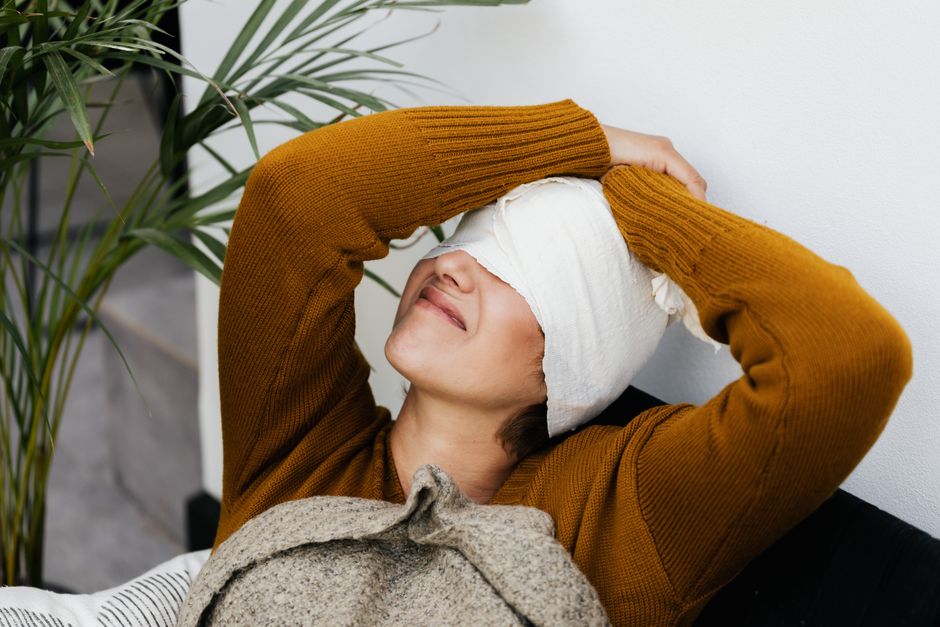
A headache can stop your day cold. Whether it is a dull throb behind your eyes or a sharp tension band around your skull, you want relief now, not later. Fast relief usually comes down to acting early, choosing the right approach for your headache type, and knowing when home care is enough. Over-the-counter pain relievers, cold therapy, hydration, and a quiet dark room are the most reliable first steps. Here is what works, what does not, and how to tell when a headache needs a doctor’s attention.
What Type of Headache Are You Dealing With?
Your fastest path to relief depends on what kind of headache you have. Most headaches fall into two main groups: tension-type headaches and migraines. Cluster headaches are rarer and more severe.
Tension headaches are the most common. They feel like a tight band around your head, often starting at the back of the head or neck. The pain is mild to moderate and usually affects both sides. Muscle tension in the neck, jaw, or scalp plays a clear role here.
Migraines are different. They typically cause moderate to severe throbbing pain, often on one side of the head. Migraines frequently come with nausea, sensitivity to light and sound, and sometimes visual changes called aura. A migraine attack can last hours to days without treatment.
Cluster headaches are intense and brief, usually lasting 15 minutes to 3 hours. They come in cycles and cause severe pain around one eye. These are less common and often require prescription treatment, not home remedies.
Matching your symptoms to the headache type matters because what helps a tension headache may not touch a migraine. For example, physical activity often worsens migraine pain but can help some tension headaches.
How Do I Get Rid Of A Headache Fast Relief Tips That Actually Work
Act within the first 30 minutes of symptoms for the best outcome. Waiting often makes the headache harder to treat.
Over-the-counter pain relievers are the first-line fast option for most adults. Ibuprofen (Advil, Motrin), naproxen (Aleve), and acetaminophen (Tylenol) all have solid evidence for headache relief. Take the dose listed on the label. Do not exceed the daily maximum on the package. Taking these medications more than 2 to 3 days per week can cause medication-overuse headaches, so limit their use.
Cold therapy works well for migraines. A cold pack or frozen gel pack placed on the forehead or the back of the neck can numb the area and constrict blood vessels. Some research suggests cold therapy reduces migraine pain within 30 minutes for some people. Wrap the pack in a thin cloth to protect your skin. Apply for 15 to 20 minutes at a time.
Heat therapy fits tension headaches better. A warm compress on the neck and shoulders can relax tight muscles. A warm shower or bath can achieve the same effect. Heat increases blood flow, which helps muscle tissue relax.
Caffeine is a genuine tool, not just a habit. Caffeine constricts blood vessels and can boost the effectiveness of pain relievers. Many over-the-counter headache medications combine acetaminophen, aspirin, and caffeine for this reason. If you normally drink coffee, a cup early in a headache may help. If you skip your usual morning coffee, caffeine withdrawal itself can trigger a headache. The timing of caffeine matters, so use it carefully.
Hydration is simple but often overlooked. Even mild dehydration can trigger or worsen a headache. Drink a glass of water. If you have been sweating, exercising, or drinking alcohol, add electrolytes. Research shows dehydration headaches resolve within 30 minutes to 3 hours of rehydration in many cases.
A dark, quiet room is essential for migraines. Light and sound worsen migraine pain because the nervous system is hypersensitive during an attack. Lying down in a cool, dark, quiet space reduces sensory input and can shorten the attack.
Quick Non-Drug Techniques for Headache Relief
Some people prefer to avoid medication when possible. Several drug-free techniques have real evidence behind them.
Massage of the neck, shoulders, and scalp can reduce tension headache pain. Gentle circular pressure on the temples and the base of the skull helps relax the muscles involved in tension headaches. One small study found that massage therapy reduced headache frequency and intensity over several weeks, though immediate relief varies by person.
Acupressure involves applying firm pressure to specific points on the body. The most studied point for headaches is LI4, located in the web between your thumb and index finger. Press firmly for 30 to 60 seconds on each hand. Some clinical trials show acupressure reduces headache pain, though the quality of evidence is moderate.
Breathing exercises can help if stress is driving the headache. Slow, deep breathing activates the parasympathetic nervous system, which promotes relaxation. Try inhaling for 4 seconds, holding for 4 seconds, and exhaling for 6 seconds. Repeat for 2 to 3 minutes. This technique works best for tension headaches triggered by stress.
Gentle stretching of the neck and upper back can relieve tension that feeds headaches. Slow neck rolls, shoulder shrugs, and chin tucks are safe for most people. Avoid sudden or forceful movements, which can worsen pain.





When Home Treatment Does Not Work
Home treatment fails for two main reasons: the headache type needs different treatment, or the headache is a symptom of something more serious.
If over-the-counter medication and home remedies do not reduce pain within 2 hours, your headache may be a migraine that needs prescription treatment. Triptans are a class of migraine-specific medications that work on serotonin receptors in the brain. They are available only by prescription and work best when taken early in an attack. Some people also benefit from prescription anti-nausea medications.
If you are having headaches more than 15 days per month, you may have chronic daily headache. This condition requires medical evaluation and often a preventive treatment plan. Overusing pain relievers can actually cause this pattern, so a doctor’s guidance is important here.
For some people, physical therapy for the neck and upper back reduces tension headache frequency. A physical therapist can identify posture and muscle issues that contribute to headaches. This approach takes weeks to work, so it is not a fast fix, but it can reduce how often headaches happen.
How to Prevent Headaches Before They Start
Prevention is the best long-term strategy. Most headaches have identifiable triggers, and avoiding them reduces frequency.
Common headache triggers include:
- Irregular sleep schedules or poor sleep quality
- Missed meals or fasting
- Dehydration
- Stress and muscle tension
- Certain foods, including aged cheese, processed meats, and artificial sweeteners
- Alcohol, especially red wine
- Hormonal changes in women
- Bright or flickering lights
Keeping a headache diary can reveal your personal triggers. Note the date, time, symptoms, what you ate, how you slept, and your stress level. After a few weeks, patterns often emerge.
Regular moderate exercise reduces headache frequency for many people. Exercise releases endorphins, which are natural pain relievers. Start slowly if you are new to exercise, because sudden intense exertion can trigger headaches in some people.
Consistent sleep is one of the strongest protective factors. Aim for 7 to 9 hours per night, and keep your wake time consistent even on weekends. Irregular sleep is a well-documented migraine trigger.
Red Flags: When a Headache Is an Emergency
Most headaches are not dangerous. But some require immediate medical attention. Do not delay care if you experience any of these warning signs.
Seek emergency medical care if your headache:
- Comes on suddenly and severely, often described as a “thunderclap” reaching maximum intensity within seconds to a minute
- Is accompanied by confusion, slurred speech, or weakness on one side of the body
- Comes with a stiff neck and fever
- Follows a recent head injury
- Is the worst headache you have ever had
- Comes with vision loss or double vision
- Is new and severe after age 50
These symptoms can indicate bleeding in the brain, meningitis, stroke, or other serious conditions. Do not try to treat these at home. Go to an emergency department.
Also see a doctor if you have headaches that are getting worse over time, headaches that wake you from sleep, or headaches that change in character. A new type of headache after age 50 also warrants medical evaluation.
What Does Not Work for Headaches
Several popular remedies have no evidence behind them. Some can make things worse.
Essential oils are widely promoted for headaches, but the evidence is thin. Peppermint oil applied to the temples has shown some benefit in small studies for tension headaches. However, no large trials confirm this, and the quality of most studies is low. Inhalation of lavender oil has some limited evidence for migraine relief, but again, the research is not strong. If you try these, do not expect consistent results.
Chiropractic spinal manipulation for headaches has mixed evidence. Some people report relief, but clinical trials show inconsistent results. Some research suggests it may help tension-type headaches, but the evidence is not robust enough for a firm recommendation.
Supplements like magnesium, riboflavin (vitamin B2), and coenzyme Q10 have some evidence for preventing migraines when taken daily for several months. They are not fast-relief options. They will not stop a headache that has already started. If you are considering these, discuss them with your doctor first.
Alcohol is not a remedy. It can worsen headaches and trigger migraines. Avoid it during an active headache.
Frequently Asked Questions
How fast does ibuprofen work for a headache?
Ibuprofen typically starts working within 30 to 60 minutes after you take it. Taking it with food can reduce stomach upset but may slightly slow absorption.
Why does caffeine help headaches?
Caffeine constricts blood vessels in the brain, which can reduce headache pain, and it enhances the effects of common pain relievers. It can also trigger headaches if you suddenly stop drinking it, so consistency matters.
Can dehydration cause a headache?
Yes, even mild dehydration can trigger a headache in many people. Drinking water and replacing electrolytes often resolves a dehydration headache within 30 minutes to a few hours.
When should I go to the emergency room for a headache?
Go immediately if your headache is sudden and severe, comes with confusion, weakness, a stiff neck and fever, or follows a head injury. These can be signs of a serious condition like a stroke or meningitis.
