
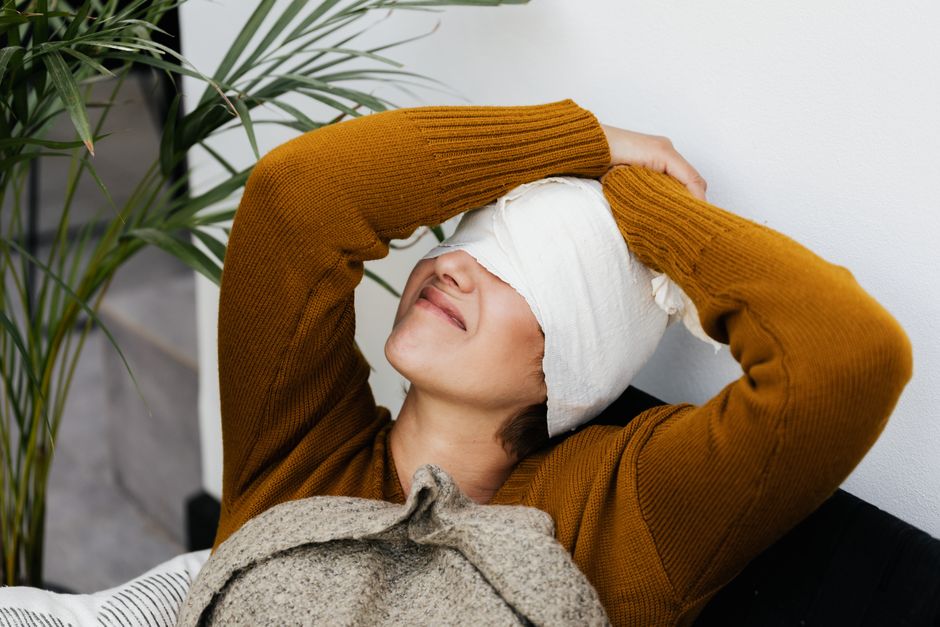
Most headaches can be treated at home with a combination of rest, hydration, and an over-the-counter pain reliever taken at the first sign of pain. For tension headaches and mild migraines, a quiet, dark room and a cool cloth on the forehead often provide meaningful relief within 30 to 60 minutes. If your headache is severe, sudden, or comes with symptoms like vision changes or weakness, that is a medical emergency and you should seek care immediately.
What Type of Headache Are You Dealing With?
Knowing what kind of headache you have matters because the treatment differs. The most common type is a tension headache. It feels like a tight band around your head. The pain is usually mild to moderate and affects both sides of the head.
Migraines are different. They often cause throbbing pain on one side of the head. Many people also feel nauseous or become sensitive to light and sound. Migraine pain is typically moderate to severe and can last from 4 to 72 hours if untreated.
Cluster headaches are much rarer. They cause intense pain around one eye, usually at the same time of day for weeks at a time. These are severe enough that they require a doctor’s care. If you suspect cluster headaches, do not try to manage them on your own.
How Do You Make a Headache Go Away Fast?
The fastest way to stop a headache is to act early. Once pain escalates, it becomes harder to treat. Keep a simple pain reliever with you so you can take it at the first sign of a headache.
For tension headaches, acetaminophen, ibuprofen, or naproxen are all reasonable first choices. These are the same medications found in most store-brand pain relievers. Follow the dosing instructions on the package. Do not mix multiple products that contain the same active ingredient.
For migraines, standard pain relievers can help if taken early, but they are often not enough. Many people need a class of drugs called triptans, which require a prescription. If over-the-counter options do not work for your migraines within two hours, talk to a doctor about a prescription option.
Caffeine can help some headaches, especially migraines. Caffeine narrows blood vessels in the brain, which is part of why some headache medications include it. A small cup of coffee or tea at the start of a migraine may reduce pain. But be careful — regular daily caffeine use can actually cause rebound headaches when you skip your usual dose.
Home Remedies That Work for Headaches
Several non-drug approaches have genuine evidence behind them. These are worth trying, especially if you prefer to avoid medication.
Hydration. Even mild dehydration can trigger a headache. Research shows that increasing water intake can reduce headache frequency in people who are prone to them. If you suspect you are dehydrated, drink a glass of water and wait 20 minutes before reaching for medication.
Sleep. Both too little and too much sleep can trigger headaches. Most adults need 7 to 9 hours per night. If you have a headache from poor sleep, a short nap of 20 to 30 minutes may help. Longer naps can disrupt your nighttime sleep cycle and make things worse.
Cold therapy. A cold pack on the forehead or temples can numb the area and reduce throbbing pain. This works especially well for migraines. Wrap an ice pack in a thin towel to protect your skin. Leave it on for no more than 15 minutes at a time.
Heat therapy. For tension headaches, a warm compress on the neck and shoulders can relax tight muscles. Many people find a hot shower has the same effect. Heat works best when the headache is clearly linked to muscle tension in the neck or jaw.





When Over-the-Counter Medications Fail
If you take pain relievers more than two or three days a week, you may develop what doctors call medication-overuse headaches. This is a real condition. The very medication you are using to stop pain starts causing it.
The pattern is easy to spot. You get headaches daily or near-daily. They improve when you take pain medication, but return within hours or the next day. The fix is not more medication — it is carefully reducing your use under a doctor’s supervision.
If your headaches do not respond to standard treatment, a doctor may recommend prescription medications. For chronic migraines, newer injectable medications called CGRP inhibitors have changed treatment significantly. These are given monthly and have been shown in clinical trials to reduce migraine frequency by about half in many patients.
Some clinicians also recommend magnesium supplements for migraine prevention. Some research suggests that magnesium deficiency is more common in people who get migraines. The evidence is moderate, not definitive. If you try magnesium, use the glycinate or citrate form, which your body absorbs better. Talk to your doctor first, especially if you have kidney problems.
Lifestyle Changes That Prevent Headaches
Prevention is more effective than treatment. If you get headaches regularly, look for patterns in your daily habits.
Meal timing. Skipping meals is a well-known headache trigger. Low blood sugar can set off a headache within hours. Eat regular meals and keep a small snack available. Protein and complex carbohydrates are better than simple sugars for keeping blood sugar stable.
Posture. Forward head posture — where your head sits in front of your shoulders — puts constant strain on the muscles at the base of your skull. This is a common cause of tension headaches, especially for people who work at computers. Check your posture at your desk. Your ears should line up with your shoulders.
Screen time. Staring at a screen for hours can strain your eyes and trigger headaches. The 20-20-20 rule helps. Every 20 minutes, look at something 20 feet away for 20 seconds. This gives your eye muscles a brief break.
Alcohol. Alcohol is a headache trigger for many people, especially red wine and dark spirits. These contain compounds called congeners, which are more likely to trigger headaches than clear liquors. If alcohol reliably gives you headaches, the simplest fix is to avoid the specific drinks that trigger you.
When a Headache Is a Medical Emergency
Most headaches are not dangerous. But some are. You need immediate emergency care if your headache:
- Comes on suddenly and is the worst headache you have ever had
- Is accompanied by confusion, difficulty speaking, or weakness on one side of the body
- Comes with a stiff neck and fever
- Follows a head injury
- Is new and severe after age 50
- Comes with vision changes, especially double vision
These symptoms can indicate a stroke, meningitis, or bleeding in the brain. Do not wait to see if they pass. Call emergency services or go to an emergency room.
If you are pregnant and get a new type of headache, especially with swelling in your hands or face, contact your obstetrician right away. This can be a sign of preeclampsia, a serious pregnancy complication.
When to See a Doctor for Headaches
You do not need to live with frequent headaches. See a doctor if you have headaches more than 15 days per month, if your headaches are getting worse over time, or if over-the-counter treatment no longer works.
A doctor can diagnose the specific type of headache you have and prescribe appropriate treatment. They can also rule out underlying conditions. Most headaches are primary — meaning the headache itself is the problem. But a small percentage are secondary, meaning they are a symptom of another condition like high blood pressure, sinus infection, or a structural issue in the brain.
Keep a headache diary for two weeks before your appointment. Note when each headache started, how long it lasted, what you ate, how you slept, and what made it better or worse. This information helps your doctor identify triggers and choose the right treatment.
Frequently Asked Questions
What is the fastest way to stop a headache?
Take an over-the-counter pain reliever at the first sign of pain and rest in a quiet, dark room. Acting early is the single most important factor in stopping a headache quickly.
Can drinking water cure a headache?
If dehydration is the cause, drinking water can relieve the headache within 20 to 30 minutes. If your headache has a different cause, water alone will not stop it.
Is it safe to take pain relievers every day for headaches?
No. Taking pain relievers more than two or three days a week can cause medication-overuse headaches, making your situation worse. Talk to a doctor if you need medication this often.
Does caffeine help or worsen headaches?
Caffeine can relieve a headache by narrowing blood vessels, and it is an ingredient in some headache medications. But daily caffeine use can cause rebound headaches when you miss your usual dose.
