
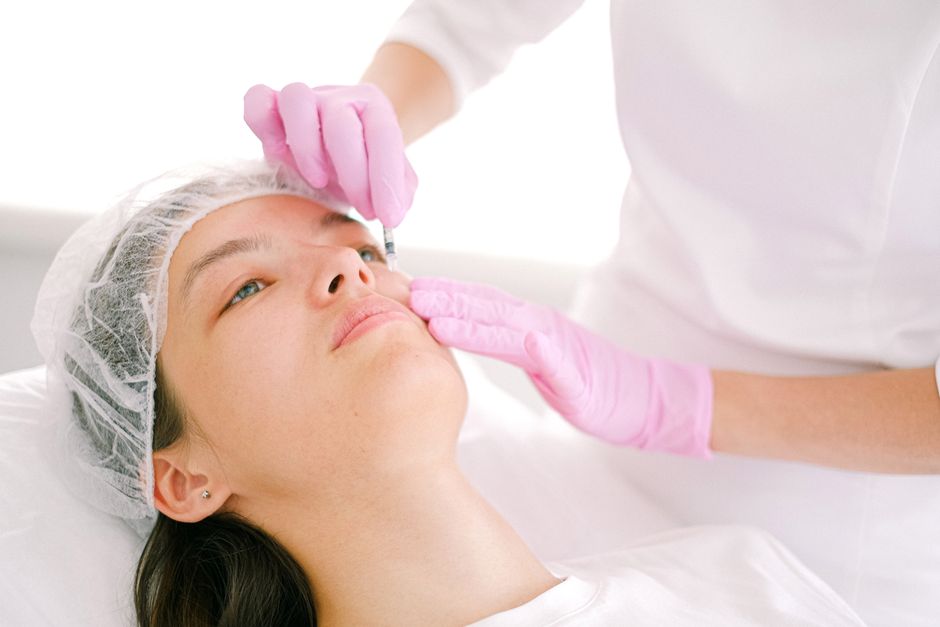
Botox injections are one of the most common cosmetic procedures in the United States, with millions of treatments performed each year. Most people walk out of the office with smooth skin and no problems. But a noticeable number of patients develop a headache within the first 24 to 48 hours after their injections. This is a known, documented side effect of the treatment, not something you imagined or did wrong. The headache is typically mild, temporary, and resolves on its own within a few days, though the exact reasons it happens involve a mix of the injection process itself and how the medication spreads in the tissue.
Why Does Botox Give You A Headache After Treatment?
The headache you feel after Botox is most likely a reaction to the physical injection process and the medication spreading through the tissue, not a sign that something went wrong. When a needle penetrates the skin and muscle of the forehead, temples, or glabella—the area between your eyebrows—it triggers a local inflammatory response. Your body sends blood flow and immune cells to the area to respond to what it sees as minor trauma. That localized swelling and pressure can irritate the sensory nerves in the scalp, producing a headache that feels like a tight band or a dull ache.
There is also a second mechanism at play. Botox works by temporarily blocking the release of acetylcholine, a chemical that tells your muscles to contract. When the muscles in your forehead and around your eyes stop moving, the balance of tension in your scalp and neck shifts. Muscles that normally work together suddenly have to compensate for the paralyzed ones. That muscular compensation can pull on the connective tissue and nerves in the scalp, triggering a tension-type headache.
How Common Are Headaches After Botox?
Headache after Botox is a recognized side effect that appears in the official prescribing information for the drug. Clinical trials and post-market surveillance data consistently report headache as one of the more common adverse reactions, occurring in a small but meaningful percentage of patients. Some research suggests that roughly 1 to 3 percent of people receiving cosmetic Botox will experience a headache afterward, though the actual number may be higher because many people simply do not report mild symptoms to their provider.
Interestingly, Botox is also an FDA-approved treatment for chronic migraine. That means the same medication that causes headaches in some people is used to prevent headaches in others. The difference comes down to dose, injection site, and the specific condition being treated. The doses used for chronic migraine are much higher and are injected into specific trigger points in the head and neck. Cosmetic doses are lower and placed in different locations, which changes the effect on surrounding nerves.
Most post-Botox headaches are mild and short-lived. They typically begin within the first 24 hours after treatment and resolve within 48 to 72 hours without any medical intervention. If the headache persists beyond a few days or is unusually severe, that is not a typical response and you should contact your provider.
What Does a Post-Botox Headache Feel Like?
Patients describe the post-injection headache in a few different ways. The most common description is a tension-type headache—a dull, pressing pain that feels like a tight band wrapped around the head. This type of pain is usually bilateral, meaning it affects both sides of the head equally, and it does not throb or pulse the way a migraine does.
Some people experience a headache that feels like it is located directly at the injection sites, particularly in the glabella or temples. This is likely a localized inflammatory response to the needle trauma and the volume of fluid injected. The pain is usually tender to the touch and worsens slightly when you press on the area.
A smaller number of people report a headache that resembles a migraine, with throbbing pain on one side of the head, sensitivity to light, and sometimes nausea. This type of headache is less common but is still documented in medical literature. The mechanism is not fully understood, but it may involve the spread of Botox to nearby pain-sensing nerve fibers that play a role in migraine pathways.




How Long Does the Headache Last?
For the vast majority of people, the headache is short-lived. The typical duration is 24 to 48 hours, with most headaches fully resolving within three days of the injection. The pain is usually mild enough that over-the-counter pain relievers like acetaminophen or ibuprofen are sufficient if you need any relief at all.
There is a separate, less common phenomenon called a delayed headache that can occur about two to four weeks after treatment. This is not caused by the injection itself but rather by the muscle-relaxing effects of the Botox becoming fully established. As the treated muscles weaken, the surrounding muscles may overwork to compensate, leading to muscular tension and a headache. This delayed headache is less common than the immediate one and typically resolves as your muscles adapt to the new movement patterns.
If your headache lasts longer than a few days, is severe, or is accompanied by vision changes, drooping eyelids, difficulty swallowing, or weakness in other parts of your body, contact a healthcare provider. While these symptoms are rare, they can indicate that the Botox has spread beyond the intended injection site.
Can You Prevent a Post-Botox Headache?
There is no guaranteed way to prevent a headache after Botox, but there are steps that may reduce your risk. The most important factor is choosing an experienced injector. A skilled provider knows the correct depth and location for each injection site and can minimize trauma to surrounding tissue. They also know how to avoid hitting superficial blood vessels and nerves, which can reduce the inflammatory response.
Some providers recommend taking an over-the-counter anti-inflammatory medication like ibuprofen about an hour before your appointment. However, you should discuss this with your provider first, because anti-inflammatory medications can increase the risk of bruising at the injection sites. There is a trade-off between reducing inflammation and increasing bruising, and your provider can help you decide if the pre-treatment is appropriate for you.
Avoiding alcohol for 24 hours before and after your appointment can also help. Alcohol thins the blood and can increase swelling and bruising, which may contribute to post-injection discomfort. Staying well hydrated and avoiding strenuous exercise for the first 24 hours after treatment are also commonly recommended, though the evidence supporting these measures is largely anecdotal rather than based on controlled trials.
When Should You See a Doctor?
A mild headache after Botox is not a medical emergency. It is an expected side effect that resolves on its own. However, there are warning signs that warrant medical attention. If the headache is the worst you have ever experienced, comes on suddenly and severely, or is accompanied by neurological symptoms such as blurred vision, drooping of the eyelid, facial weakness, or difficulty speaking, seek medical care promptly.
These symptoms could indicate that the Botox has spread beyond the injection site, a rare but serious complication. The FDA prescribing information for Botox includes a boxed warning about the potential for the toxin to spread to areas far from the injection site, causing symptoms that resemble botulism. This is extremely rare with cosmetic doses, but it is a recognized risk.
You should also contact your provider if the headache lasts longer than a week, if you develop a fever, or if the injection sites become red, swollen, warm, or painful beyond mild tenderness. These could be signs of an infection or an allergic reaction, both of which require evaluation by a healthcare professional.
Frequently Asked Questions
Can Botox cause a migraine the next day?
Yes, Botox can trigger a migraine in some people within the first 24 hours after injection, though it is less common than a tension-type headache. The exact reason is not fully understood, but the physical trauma of the needle and the medication spreading through tissue may activate migraine pathways in susceptible individuals.
Is it normal to have a headache 3 days after Botox?
A headache that persists for three days after Botox is within the normal range, as most post-injection headaches resolve within 48 to 72 hours. If the headache continues beyond a week or worsens, contact your provider for evaluation.
Does drinking water help with Botox headaches?
Staying hydrated may help reduce the intensity of a post-Botox headache, though it will not prevent one entirely. Dehydration can worsen any type of headache, so maintaining normal fluid intake before and after your appointment is a reasonable step.
Should I take pain relievers after Botox?
Over-the-counter pain relievers like acetaminophen or ibuprofen are generally safe to take for a post-Botox headache. Avoid taking them within a few hours before your injection, as they can increase bruising, and always follow the dosing instructions on the label.
