
Every living thing on Earth started as a single cell. That cell divided, and its descendants divided again, building the trillions of cells that make up your body today. Cells reproduce in three main ways: mitosis, meiosis, and binary fission. Mitosis creates identical body cells for growth and repair. Meiosis creates sperm and egg cells with half the DNA. Binary fission is how bacteria and other single-celled organisms copy themselves. Each process has a specific job, and each one matters for life as we know it.
What Is Mitosis and Why Does It Matter?
Mitosis is the process your body uses to make more of itself. When you cut your skin, mitosis produces new skin cells. When you grow taller, mitosis adds new bone and muscle cells. This process creates two daughter cells that are genetically identical to the parent cell.
Before mitosis begins, the cell copies its DNA. Each chromosome now has two identical halves called sister chromatids. The cell then lines these chromosomes up in the middle and pulls them apart. Each new cell gets one complete set of chromosomes. In humans, that means each daughter cell receives 46 chromosomes.
Mitosis happens constantly throughout your body. Your intestines replace their lining every few days. Your skin replaces itself every few weeks. Red blood cells live about 120 days before being replaced. None of this would happen without mitosis.
When mitosis goes wrong, problems can develop. If chromosomes are not divided evenly, the daughter cells may have too many or too few chromosomes. Most such cells die. Some do not, and that can lead to cancer. Cancer is essentially uncontrolled cell division, where the normal checks on mitosis fail.
What Is Meiosis and How Does It Differ From Mitosis?
Meiosis is the process that creates reproductive cells, also called gametes. In humans, these are sperm in males and eggs in females. The goal of meiosis is different from mitosis. Instead of making identical copies, meiosis creates cells with half the normal number of chromosomes.
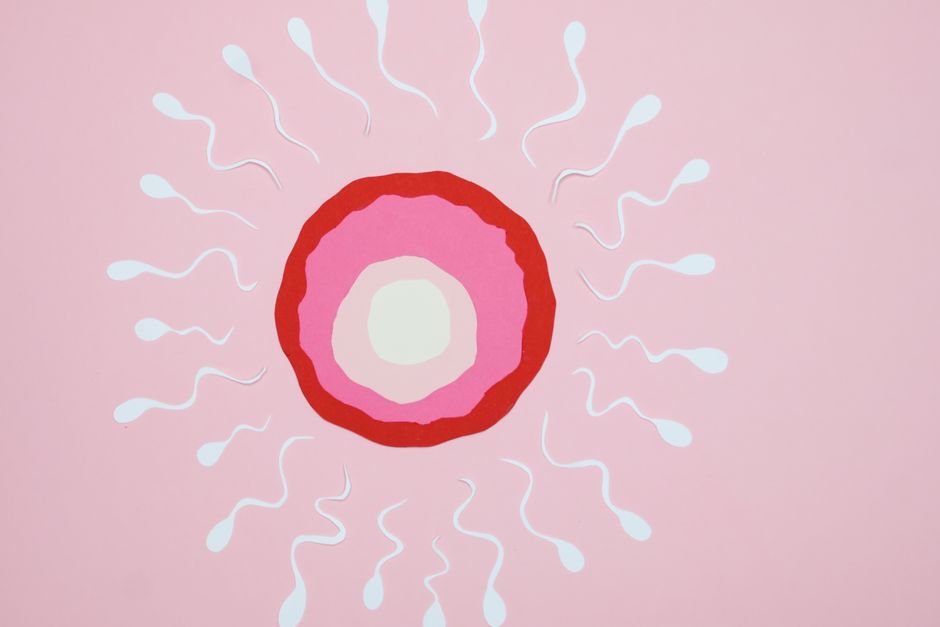
A human body cell has 46 chromosomes. A sperm or egg cell has 23. This matters because fertilization combines the two. When a sperm and egg meet, their chromosomes pair up to create a new cell with the full 46. Half comes from the mother, half from the father.
Meiosis involves two rounds of division. The first round separates paired chromosomes. The second round separates the sister chromatids. The result is four cells, each with 23 chromosomes. In females, only one of these becomes a functional egg. The other three become small cells called polar bodies that do not participate in fertilization.
Meiosis also shuffles genetic material. During the first division, chromosomes exchange pieces with each other in a process called crossing over. This creates new combinations of genes. That is why siblings from the same parents are not identical to each other. Each sperm and each egg carries a unique mix of genetic information.
Errors in meiosis can cause conditions like Down syndrome, where a person has an extra copy of chromosome 21. The risk of such errors increases with maternal age. This is why prenatal screening becomes more common for women over 35.
How Do Cells Reproduce Mitosis Meiosis Fission: The Key Differences
Mitosis, meiosis, and binary fission serve different purposes and occur in different organisms. Mitosis is for growth and repair in multicellular organisms. Meiosis is for sexual reproduction. Binary fission is for asexual reproduction in prokaryotes, which are organisms without a nucleus.
| Feature | Mitosis | Meiosis | Binary Fission |
|---|---|---|---|
| Purpose | Growth and repair | Produce gametes | Asexual reproduction |
| Occurs in | Body cells | Reproductive organs | Prokaryotes |
| Number of divisions | One | Two | One |
| Daughter cells produced | Two | Four | Two |
| Chromosome number | Same as parent | Half of parent | Same as parent |
| Genetic variation | None | Yes | None |
The chromosome number is the clearest difference. Mitosis keeps the chromosome count the same. Meiosis cuts it in half. Binary fission in bacteria also keeps the chromosome count the same, but the process is much simpler because bacteria have a single circular chromosome rather than 46 linear ones.





What Is Binary Fission?
Binary fission is how bacteria reproduce. It is the simplest form of cell division. A single bacterial cell copies its DNA, grows larger, and then splits down the middle into two cells. Each new cell is a complete, independent organism.
The process is fast. Some bacteria can divide every 20 minutes under ideal conditions. That means a single bacterium can become millions of cells in just a few hours. This speed is why food spoils and why bacterial infections can escalate quickly.
Binary fission is a form of asexual reproduction. There is no mixing of genetic material from two parents. The daughter cells are genetically identical to the parent, barring random mutations. Mutations are the main source of genetic variation in bacteria. This is why bacteria can develop resistance to antibiotics over time. A random mutation that helps a bacterium survive will be passed on to all its descendants.
Some single-celled eukaryotes, like amoebas, also divide by a process similar to binary fission. The difference is that eukaryotic cells have a nucleus and other internal structures that must be divided as well. The basic principle remains the same: one cell becomes two.
What Happens When Cell Division Goes Wrong?
Cell division is tightly controlled. Your body has multiple checkpoints that pause the process if something is wrong. These checkpoints verify that the DNA was copied correctly and that the chromosomes are aligned properly. When these checkpoints fail, problems arise.
Cancer is the most serious consequence of failed cell division control. Cancer cells divide when they should not. They ignore the signals that normally stop division. They can also evade the mechanisms that would normally cause damaged cells to die. The result is a mass of cells that grows without limit.
Not all errors in cell division cause cancer. Some cause cell death, which is usually harmless. Others cause genetic disorders. Errors in meiosis can produce eggs or sperm with the wrong number of chromosomes. Most such embryos do not survive. Those that do may have conditions like Down syndrome, Turner syndrome, or Klinefelter syndrome.
Age affects cell division quality. As you get older, the error rate in cell division increases. This is true for both mitosis and meiosis. It helps explain why cancer rates rise with age and why chromosomal conditions are more common in babies born to older mothers.
Can Cells Divide Forever?
No. Most human cells have a limit on how many times they can divide. This limit is called the Hayflick limit, named after the researcher who discovered it in the 1960s. Human cells in laboratory culture divide about 40 to 60 times before they stop.
The reason is telomeres. Telomeres are protective caps at the ends of chromosomes. Each time a cell divides, the telomeres get a little shorter. When they become too short, the cell can no longer divide. It enters a state called senescence, where it remains alive but stops reproducing.
Some cells bypass this limit. Stem cells and cancer cells produce an enzyme called telomerase that rebuilds the telomeres. This allows them to keep dividing. For stem cells, this is essential for tissue maintenance. For cancer cells, it is part of what makes them dangerous.
This does not mean aging is simply about cells running out of divisions. The relationship between cell division limits and aging is complex. But the Hayflick limit is a real biological constraint on how many times your cells can reproduce.
Why Does Understanding Cell Division Matter for Your Health?
Knowing how cells divide helps you understand common health messages. When doctors talk about cancer treatments targeting rapidly dividing cells, they are referring to mitosis. Chemotherapy drugs work partly by interfering with cell division. This is why they also affect healthy cells that divide frequently, like hair follicles and intestinal lining cells.
Understanding meiosis matters for reproductive decisions. The age-related decline in egg quality is directly tied to meiosis. Women are born with all the eggs they will ever have. Those eggs have been paused in the middle of meiosis since before birth. The longer they wait, the higher the risk of errors when meiosis completes.
Understanding binary fission matters for food safety and infection control. Bacteria divide quickly under warm, moist conditions. Refrigeration slows their division. Cooking kills them. Handwashing removes them before they can enter your body and begin dividing.
Cell division is not abstract biology. It is the process that heals your wounds, creates your children, and sometimes goes wrong in ways that require medical treatment. The more you understand it, the better you can interpret health information and make informed decisions.
Frequently Asked Questions
What is the main difference between mitosis and meiosis?
Mitosis produces two identical cells with the same chromosome number as the parent. Meiosis produces four cells with half the chromosome number, which become sperm and eggs.
Do humans use binary fission?
No. Humans use mitosis for growth and repair and meiosis for reproduction. Binary fission is used by bacteria and other single-celled organisms without a nucleus.
How many chromosomes do human cells have after mitosis?
Human body cells have 46 chromosomes, and after mitosis, each daughter cell also has 46 chromosomes. After meiosis, sperm and egg cells have 23 chromosomes each.
Why do cells stop dividing as we age?
Most cells have a division limit tied to telomere length. Each division shortens the telomeres, and when they get too short, the cell stops dividing.
