
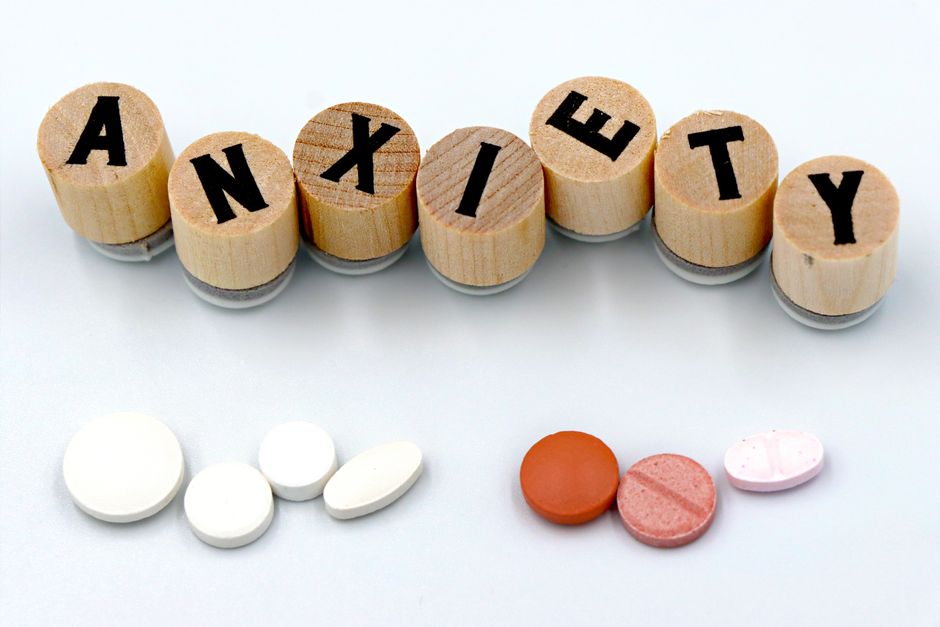
Anxiety disorders are the most common mental health condition in the United States, affecting millions of adults each year. The good news is that they are highly treatable. Treatment usually combines psychotherapy, medication, or both, and most people see meaningful improvement with the right plan. The most effective approach depends on the specific disorder, its severity, and your personal preferences.
What Are the Main Treatment Options for Anxiety Disorders?
Treatment for anxiety disorders generally falls into two broad categories: psychotherapy and medication. Many people use both at the same time, and research consistently shows this combination is often more effective than either approach alone.
Psychotherapy, sometimes called talk therapy, works by helping you understand your thought patterns and behaviors. Medication works on brain chemistry to reduce the physical symptoms of anxiety. Neither is a magic fix, and both require time and consistency to work well.
Your doctor or mental health professional will help you decide which path fits your situation. The decision often depends on how long symptoms have been present, how much they interfere with daily life, and whether you have other health conditions.
Which Type of Therapy Works Best for Anxiety?
Cognitive behavioral therapy (CBT) is the most studied and most effective form of therapy for anxiety disorders. It focuses on identifying unhelpful thought patterns and gradually facing feared situations in a structured way.
CBT is not vague advice or general conversation. It is a structured, time-limited treatment with specific goals. You learn to recognize when your thinking is distorted, challenge those thoughts, and change your behavioral responses to anxiety triggers.
One key component is exposure therapy. This involves facing feared situations gradually and repeatedly until the anxiety response diminishes. For someone with social anxiety, this might start with imagining a conversation and progress to having a real one. For someone with panic disorder, it might involve exercises that mimic physical panic sensations in a safe setting.
Research consistently shows CBT produces lasting changes. Many studies indicate the benefits continue after treatment ends because you have learned skills you can use for the rest of your life. Acceptance and commitment therapy (ACT) and dialectical behavior therapy (DBT) also show evidence of benefit, but CBT has the largest body of research supporting its use.
What Medications Are Commonly Prescribed for Anxiety?
Several classes of medication are FDA-approved for anxiety disorders. Selective serotonin reuptake inhibitors (SSRIs) are usually the first choice. These include medications like sertraline, escitalopram, and fluoxetine.
SSRIs work by increasing serotonin levels in the brain over time. They are not fast-acting. It typically takes 4 to 6 weeks before you notice significant improvement, and full benefit may take 8 to 12 weeks. Some people experience increased anxiety in the first week or two before the medication settles.
Serotonin-norepinephrine reuptake inhibitors (SNRIs) are another common option. Venlafaxine and duloxetine are examples. These work on both serotonin and norepinephrine and are particularly effective for generalized anxiety disorder.
Benzodiazepines like diazepam, lorazepam, and alprazolam work quickly, often within 30 minutes to an hour. They are effective for short-term relief of severe anxiety or panic attacks. However, they carry significant risks including dependency, tolerance, and withdrawal symptoms. Most clinicians now prescribe them only for brief periods or as needed for acute situations, not as a long-term daily treatment.
Buspirone is a non-sedating medication used specifically for generalized anxiety disorder. It does not cause dependency like benzodiazepines but takes several weeks to become effective.
Beta-blockers like propranolol are sometimes used for performance anxiety. They block the physical symptoms of anxiety such as rapid heartbeat and trembling. They are not a primary treatment for most anxiety disorders but can help in specific situations.





How Do You Treat Anxiety Disorders With Lifestyle Changes?
Lifestyle changes alone rarely cure an anxiety disorder, but they are an important part of a complete treatment plan. They help reduce baseline stress and make therapy and medication more effective.
Regular aerobic exercise has solid evidence behind it. Studies show it reduces anxiety symptoms by releasing endorphins, improving sleep, and giving you a sense of accomplishment. Even a daily 30-minute walk can make a measurable difference.
Sleep is closely tied to anxiety. Chronic sleep deprivation raises cortisol levels and makes the brain more reactive to threats. Most adults need 7 to 9 hours of sleep per night, and treating underlying sleep problems often improves anxiety symptoms.
Caffeine and alcohol deserve attention. Caffeine can trigger or worsen anxiety symptoms, especially in people prone to panic attacks. Alcohol may temporarily reduce anxiety but often causes rebound anxiety as it wears off. Regular heavy alcohol use can create or worsen an anxiety disorder.
Mindfulness and meditation practices have growing evidence for anxiety reduction. These practices train you to notice anxious thoughts without being controlled by them. Apps and guided programs can help you start, but consistency matters more than duration.
What Should You Know About Natural and Alternative Treatments?
The market for natural anxiety treatments is large, and marketing claims often outpace the evidence. Some natural options have genuine research support, while others do not.
Kava has shown promise in some clinical trials for reducing anxiety symptoms. However, it carries a risk of liver damage, and its safety profile is not fully established. If you have liver disease or drink alcohol regularly, you should avoid kava.
Passionflower and valerian root have some traditional use and limited research support for mild anxiety. The evidence is not strong enough to recommend them as primary treatments for diagnosed anxiety disorders.
Magnesium and omega-3 fatty acids are sometimes promoted for anxiety. Some observational studies suggest a link between low levels and higher anxiety, but clinical trials have not consistently confirmed that supplementation improves diagnosed anxiety disorders.
CBD products are widely marketed for anxiety. The evidence is mixed. Some small studies show benefit, while others show no difference from placebo. No large clinical trials have confirmed CBD as an effective treatment for anxiety disorders. If you choose to try CBD, be aware that the FDA does not regulate it as a drug, and product quality varies significantly.
No herbal supplement should replace standard treatment without discussing it with your doctor. Some supplements interact with prescription medications in dangerous ways.
When Should You Seek Professional Help?
Anxiety becomes a disorder when it is excessive, persistent, and interferes with daily functioning. If anxiety makes it hard to work, maintain relationships, or leave the house, professional help is warranted.
Primary care doctors can diagnose anxiety disorders and often prescribe initial treatment. Psychiatrists specialize in medication management. Psychologists and licensed therapists provide psychotherapy. Many people start with their primary care doctor, who can refer them to the right specialist.
Seek immediate help if anxiety is accompanied by thoughts of self-harm or suicide. The 988 Suicide and Crisis Lifeline provides free, confidential support 24 hours a day. Call or text 988 if you are in crisis.
Early treatment tends to produce better outcomes. Anxiety disorders do not typically resolve on their own. Without treatment, they often become chronic and can lead to depression, substance use problems, and physical health issues.
How Long Does Treatment Take to Work?
The timeline varies by treatment type and individual. CBT typically involves 12 to 20 weekly sessions, though some people need more or fewer. Many people notice improvement within a few weeks of starting therapy.
SSRIs and SNRIs take 4 to 6 weeks for initial effects and 8 to 12 weeks for full benefit. If the first medication does not work or causes side effects, your doctor may switch to another in the same class or a different class entirely. Finding the right medication sometimes takes several tries.
Treatment is not a one-time fix. Many people benefit from ongoing maintenance therapy or continued medication for a year or more after symptoms improve. Stopping medication abruptly can cause withdrawal symptoms or a return of anxiety, so any change should be done under medical supervision.
Frequently Asked Questions
Can anxiety disorders be cured permanently?
Most people experience significant improvement with treatment, but anxiety disorders are often chronic conditions that can recur. Ongoing management skills and sometimes maintenance treatment help keep symptoms under control.
Is therapy or medication more effective for anxiety?
Both are effective, and research shows combining them often works better than either alone. CBT has lasting benefits that continue after treatment ends, while medication works faster for symptom relief.
How quickly do anxiety medications start working?
SSRIs and SNRIs typically take 4 to 6 weeks for noticeable effects. Benzodiazepines work within an hour but are generally used only for short-term relief due to dependency risks.
Can you treat anxiety without medication?
Yes, CBT is an effective standalone treatment for many people with mild to moderate anxiety disorders. Lifestyle changes like exercise and improved sleep also help, but severe anxiety often responds best to combined treatment.
