
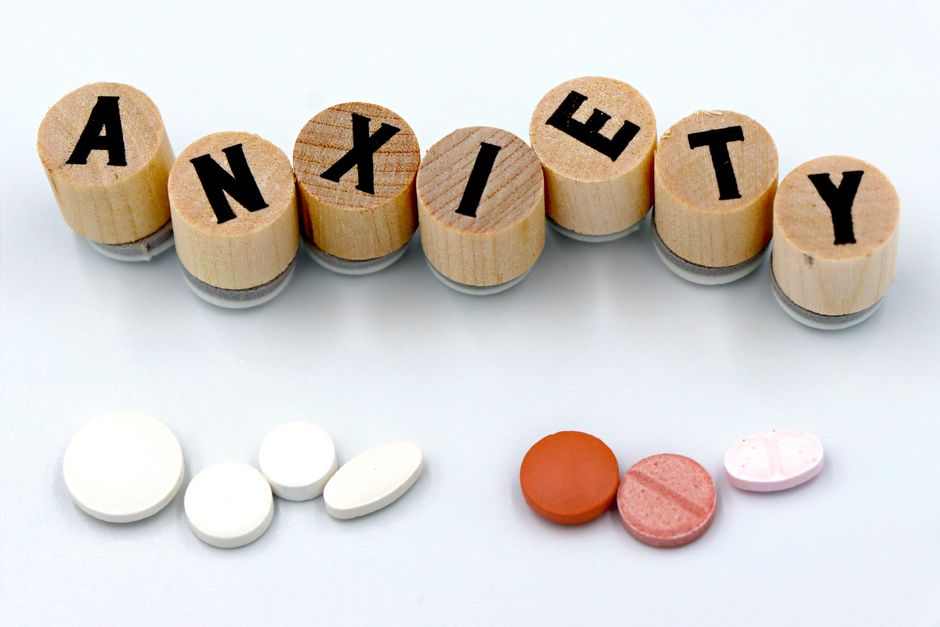
Anxiety is one of the most common mental health challenges adults face, and many people want to know how to manage it without a prescription. The honest answer is that non-medication approaches can be highly effective for mild to moderate anxiety, and they are often the first step clinicians recommend before considering medication. These strategies work by calming the body’s stress response, changing thought patterns, and building daily habits that reduce overall tension. While severe anxiety may require professional treatment including medication, many people find significant relief through therapy, lifestyle changes, and specific coping techniques.
What Actually Works for Anxiety Without Medicine?
Cognitive behavioral therapy (CBT) has the strongest evidence base of any non-medication treatment for anxiety. Research consistently shows that CBT helps people identify and change the thought patterns that fuel anxiety. It is not about positive thinking — it is about learning to see situations more accurately and respond differently.
Other approaches with solid evidence include acceptance and commitment therapy (ACT), which focuses on accepting difficult thoughts rather than fighting them, and exposure therapy, which gradually reduces fear by facing it in controlled steps. These therapies teach skills you keep for life, which is one reason many people prefer them over medication.
Exercise also has strong evidence behind it. Regular physical activity reduces anxiety symptoms in many people, likely by burning off stress hormones and increasing endorphins. Even a brisk 20-minute walk can provide noticeable relief in the moment.
How Does Breathing Affect Your Anxiety Level?
Your breathing rate directly signals to your brain whether you are safe or in danger. When you are anxious, you tend to breathe quickly and shallowly from your chest. This can trigger your body’s stress response even when no real threat exists.
Slow, deep breathing does the opposite. It activates the parasympathetic nervous system, which is your body’s rest-and-digest mode. A simple technique is to breathe in through your nose for four counts, hold for four counts, and exhale slowly for six counts. Repeat this for a few minutes.
This is not a cure, but it is a genuinely useful tool. It gives your nervous system a chance to reset, and it is available to you anywhere — at your desk, in traffic, or before a difficult conversation.
Can Your Daily Habits Reduce Anxiety Over Time?
Yes, and this is where many people see the biggest long-term changes. Sleep is foundational. Poor sleep makes your brain more reactive to stress and less able to regulate emotions. Most adults need seven to nine hours per night, and consistently getting less than that raises your baseline anxiety level.
Caffeine is another factor worth examining. Caffeine activates the same nervous system pathways involved in anxiety. For some people, even moderate amounts cause jitteriness, racing thoughts, or a feeling of panic. If you are prone to anxiety, it is reasonable to test whether reducing caffeine helps. Some people find they tolerate coffee fine in the morning but cannot have it after noon without affecting their sleep.
Alcohol can also worsen anxiety, especially the day after drinking. Alcohol initially feels calming, but as it leaves your system, rebound anxiety is common. If you drink, paying attention to how you feel the next day can tell you a lot about whether alcohol is helping or hurting.

What Should You Know About Supplements for Anxiety?
The supplement market for anxiety is large, but the evidence is thin for most products. Some research suggests that certain supplements may help, but the quality of studies varies widely, and no supplement has been proven to work as well as therapy or exercise.
Magnesium is one of the more studied options. Some research indicates that magnesium plays a role in regulating the nervous system, and deficiency may contribute to anxiety symptoms. However, the evidence that magnesium supplements treat anxiety in people who are not deficient is limited.
L-theanine, an amino acid found in green tea, has shown some promise in small studies for promoting calmness without drowsiness. The evidence is preliminary, and results are not consistent across all studies.
No clinical guidelines currently recommend any specific supplement as a first-line treatment for anxiety. If you are considering supplements, be cautious. The FDA does not regulate supplements the way it regulates medications, so quality and purity vary between brands. Always tell your doctor about any supplements you take, especially if you are on other medications.
How Does Mindfulness Help With Anxiety?
Mindfulness is the practice of paying attention to the present moment without judging it. It helps with anxiety because anxiety is almost always about the future — worrying about what might happen. Mindfulness trains your brain to stay in the present, where most threats are not actually occurring.
Research on mindfulness-based stress reduction (MBSR) programs shows they can reduce anxiety symptoms in many people. The key is consistent practice. A few minutes daily is more helpful than an hour once a month.
A simple starting point is a body scan. Sit quietly and notice each part of your body from your toes to your head, without trying to change anything. When your mind wanders — and it will — gently bring it back. This is not about emptying your mind. It is about noticing when you have drifted into worry and returning to the present.
When Should You Consider Professional Help?
Self-help strategies are valuable, but they are not always enough. If anxiety interferes with your daily life — your work, relationships, or ability to leave the house — it is time to talk to a professional.
Signs that you need more support include anxiety that lasts most days for several months, panic attacks, avoiding situations because of fear, or using alcohol or other substances to cope. These symptoms suggest that anxiety has crossed the line from uncomfortable to disabling.
A therapist can help you figure out which approaches fit your specific situation. Some people benefit from a combination of therapy and medication. There is no shame in that. Medication is a tool, and using it does not mean you failed at managing anxiety without it.
What Is the Fastest Way to Calm Anxiety in the Moment?
When anxiety hits suddenly, you need something that works quickly. The 5-4-3-2-1 grounding technique is one effective option. Look around and name five things you can see, four things you can touch, three things you can hear, two things you can smell, and one thing you can taste.
This works by forcing your brain to process sensory information from the present moment, which interrupts the spiral of anxious thoughts. It is not a long-term solution, but it can get you through a difficult few minutes.
Cold water can also help. Splashing cold water on your face or holding an ice cube triggers the mammalian dive reflex, which slows your heart rate and shifts your nervous system toward calm. This is a physiological response that works within seconds.
Frequently Asked Questions
How long does it take for therapy to reduce anxiety?
Most people notice some improvement within 8 to 12 sessions of cognitive behavioral therapy. Significant change often takes a few months of consistent practice.
Can exercise really help with anxiety?
Yes, regular exercise has been shown to reduce anxiety symptoms in many people. Both aerobic exercise like running and resistance training like weightlifting appear to be helpful.
Is it safe to stop taking anxiety medication on my own?
No, stopping anxiety medication suddenly can cause withdrawal symptoms and rebound anxiety. Always work with your doctor to taper off medication safely.
Does caffeine make anxiety worse?
Caffeine can increase heart rate and trigger the same physical symptoms as anxiety, which can make anxious feelings worse in sensitive people. Reducing intake may help.
