
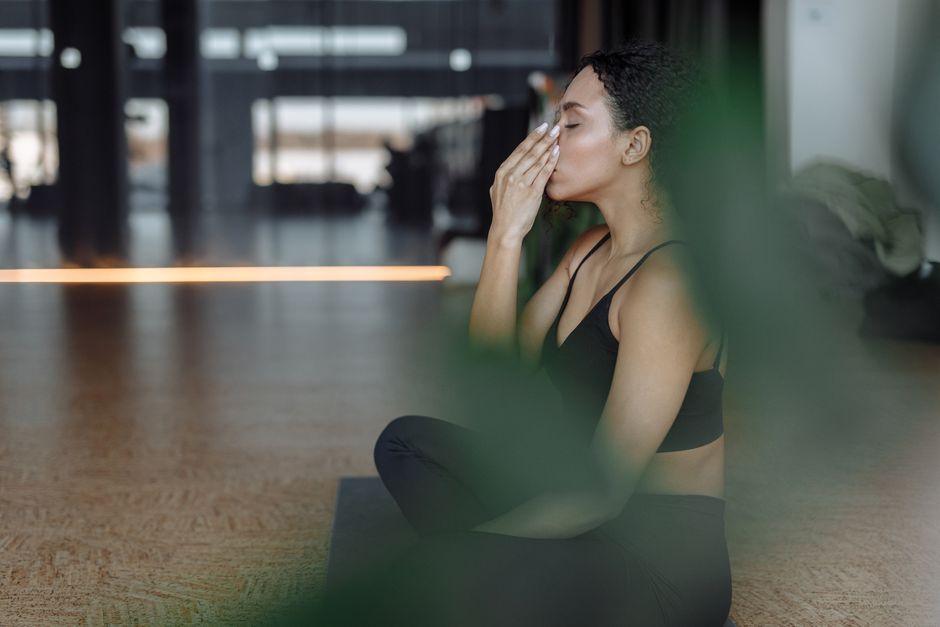
Anxiety makes the body feel like it is under threat. The heart speeds up, breathing gets shallow and fast, and muscles tense. Deep breathing works against this by activating the body’s built-in calming system. Yes, deep breathing helps with anxiety, and the science behind it is well established. It is not a cure for every anxiety disorder, but it is a proven, free, and immediate tool you can use in the moment.
How Does Deep Breathing Affect the Nervous System?
Your body has two main nervous system states. The sympathetic system is the gas pedal. It drives the fight-or-flight response. The parasympathetic system is the brake. It handles rest, digestion, and recovery.
Deep breathing directly stimulates the parasympathetic system through the vagus nerve. This nerve runs from your brainstem down to your chest and abdomen. It is the main highway for calming signals.
When you take a slow, deep breath, your lungs stretch. That stretch sends a signal up the vagus nerve to the brain. The brain responds by slowing your heart rate and lowering blood pressure. This is not a placebo effect. It is a measurable physiological response that happens within seconds of starting slow breathing.
The key is the exhale. Your heart rate naturally slows when you breathe out. Making your exhale longer than your inhale strengthens this effect. This is why many breathing exercises emphasize a long, controlled exhale.
What Is the Correct Way to Breathe for Anxiety?
Not all deep breathing is equal. Taking a big gulp of air into your chest can actually make anxiety worse. It can trigger hyperventilation, which lowers carbon dioxide levels in the blood and causes dizziness, tingling, and a racing heart.
The goal is slow, rhythmic breathing that moves your diaphragm, not your chest. The diaphragm is a large muscle below your lungs. When it works properly, your belly rises as you inhale and falls as you exhale.
Here is a simple technique that is widely taught in clinical settings:
- Sit or lie down in a comfortable position.
- Place one hand on your chest and one on your belly.
- Inhale slowly through your nose for a count of four.
- Exhale slowly through your mouth for a count of six or eight.
- Repeat for three to five minutes.
The exact counts are flexible. What matters more is that the exhale is longer than the inhale. This pattern maximizes vagus nerve activation and keeps carbon dioxide levels stable.
What Does the Research Say About Breathing and Anxiety?
Research consistently shows that slow breathing reduces symptoms of anxiety. Studies have found that regular breathing exercises lower self-reported anxiety scores in people with generalized anxiety disorder, panic disorder, and everyday stress.
One important finding is that breathing affects the brain directly. Brain imaging studies show that slow breathing activates areas of the brain involved in emotional control. It also reduces activity in the amygdala, the region that processes fear and threat.
Some research suggests that breathing at a rate of about six breaths per minute is particularly effective. This is often called resonance breathing. It is slow enough to calm the nervous system but fast enough to keep you alert.
The evidence is strongest for using breathing as an in-the-moment tool. When you feel anxiety rising, a few minutes of slow breathing can lower your heart rate and reduce the intensity of the feeling. The evidence is weaker for using breathing alone to treat a diagnosed anxiety disorder long term. Most clinicians view it as one part of a larger treatment plan, not a standalone cure.





Can Deep Breathing Stop a Panic Attack?
Deep breathing can help during a panic attack, but it needs to be done carefully. During a panic attack, people often hyperventilate. Their breathing is fast and shallow, and they feel like they cannot get enough air.
The natural urge is to take a huge breath. That is the wrong move. It feeds the cycle of hyperventilation and makes symptoms worse.
The better approach is to slow down and lengthen the exhale. Focus on breathing out slowly and completely. Let the inhale happen naturally. This helps restore normal carbon dioxide levels and signals the body that the danger has passed.
It is important to be honest about limits. A panic attack is a sudden surge of intense fear that peaks within minutes. Breathing can reduce the intensity and duration, but it may not stop it entirely. For people with frequent panic attacks, professional treatment is recommended. Cognitive behavioral therapy and certain medications have much stronger evidence for preventing attacks over time.
How Long Does It Take for Breathing to Work?
You do not need to wait long. The physiological effects begin within the first minute. Your heart rate starts to slow, and your muscles begin to relax.
Most people notice a meaningful reduction in anxiety after three to five minutes of slow breathing. This is why breathing exercises are often taught as a five-minute intervention.
Consistency matters more than duration. Practicing for five minutes daily builds a stronger baseline. People who practice regularly report that their overall anxiety level drops, not just their in-the-moment symptoms. This is likely because regular practice strengthens the parasympathetic response over time.
Some research indicates that regular breathing practice can improve heart rate variability. Heart rate variability is a measure of how well your body adapts to stress. Higher variability is generally associated with better emotional resilience. This is an emerging area of study, but the early evidence is promising.
What Are the Limitations of Deep Breathing?
Deep breathing is not a universal solution. It does not address the root causes of anxiety. If your anxiety comes from a specific situation, a relationship, or a chemical imbalance, breathing will not fix the underlying issue.
It is also not the best first-line treatment for severe anxiety disorders. Clinical guidelines generally recommend psychotherapy, particularly cognitive behavioral therapy, as the first treatment for generalized anxiety disorder and panic disorder. Medications are used when symptoms are moderate to severe.
Breathing can be a useful addition to these treatments. It gives you a sense of control and a practical skill to use between therapy sessions. But it should not replace professional care when anxiety is interfering with your daily life.
Another limitation is that some people find breathing exercises uncomfortable at first. Slowing your breath can feel unnatural, especially if you are used to shallow breathing. This usually passes with practice. If it does not, a clinician or breathing coach can help you adjust the technique.
Are There Other Breathing Techniques Worth Trying?
The 4-6 or 4-8 pattern is the most commonly taught, but it is not the only option. Several other techniques have clinical support.
Box breathing is used by athletes and military personnel. You inhale for a count of four, hold for four, exhale for four, and hold for four. The pattern is simple to remember, which makes it useful in high-stress moments.
Alternate nostril breathing comes from yoga traditions. You close one nostril, inhale, switch, and exhale through the other. Some research suggests it has a calming effect, though the evidence is less robust than for slow breathing generally.
Progressive muscle relaxation is not a breathing technique, but it pairs well with breathing. You tense a muscle group for five seconds and then release while exhaling. The combination of physical release and slow breathing can be more effective than breathing alone for some people.
The best technique is the one you will actually use. All of these methods work through the same basic mechanism: slow, rhythmic breathing that activates the vagus nerve. Find one that feels natural and practice it regularly.
Frequently Asked Questions
How many minutes of deep breathing reduces anxiety?
Most people feel a meaningful difference after three to five minutes of slow breathing. The heart rate begins to slow within the first minute.
Can deep breathing make anxiety worse?
Yes, if you breathe too fast or too deeply, you can hyperventilate and trigger more anxiety. Slow, gentle breathing with a longer exhale is the safe approach.
Is deep breathing enough to treat an anxiety disorder?
No, breathing alone is not considered sufficient treatment for a diagnosed anxiety disorder. It works best as part of a plan that includes therapy or medication when needed.
What is the best breathing pattern for anxiety?
Inhale through the nose for a count of four and exhale through the mouth for a count of six or eight. A longer exhale is the key to activating the calming response.
