
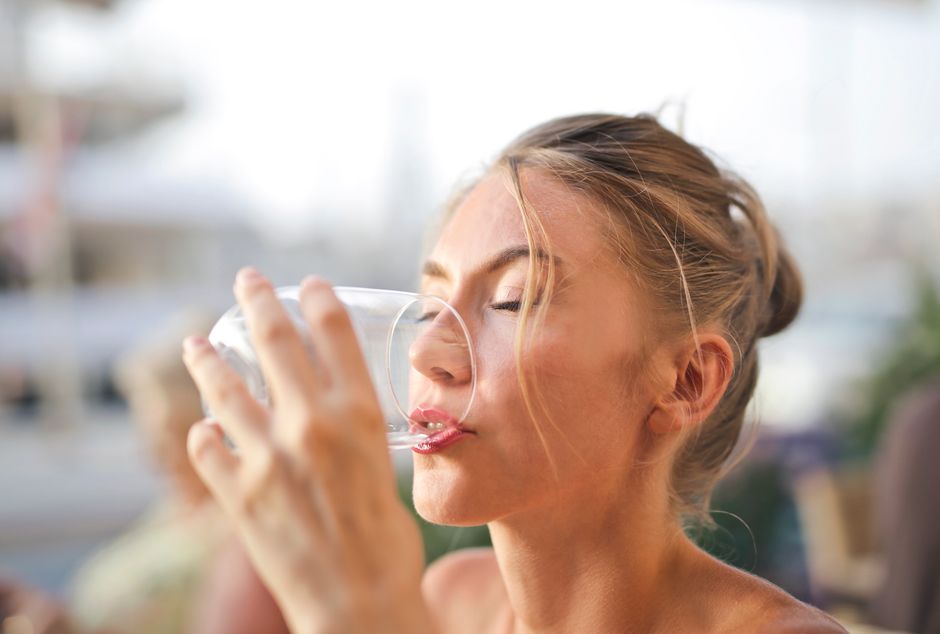
You have a glass of wine to unwind, and a few hours later your heart is racing and your mind is spinning with worry. This is not in your head. Alcohol directly changes brain chemistry in ways that can trigger anxiety, both while you are drinking and especially the next day. The effect is so common that it has a name: hangover anxiety, or “hangxiety.” Understanding the biological mechanism is the first step to managing it.
What Happens in Your Brain When You Drink?
Alcohol is a central nervous system depressant. It works by enhancing the effects of GABA, the brain’s primary inhibitory neurotransmitter. GABA slows down brain activity, which is why alcohol initially feels relaxing. It also suppresses glutamate, an excitatory neurotransmitter that keeps your brain alert and firing on all cylinders.
This combination produces the calm, sociable feeling you get after a drink or two. But your brain does not like being pushed too far in one direction. It works to maintain balance, a process called homeostasis. As the alcohol leaves your system, your brain rebounds. It produces less GABA and more glutamate to compensate for the suppression.
The result is a nervous system that is suddenly overactive. Your brain is now firing faster than normal, not slower. This rebound effect is the physiological foundation of alcohol-induced anxiety.
Why Does Drinking Cause Anxiety the Next Day?
The rebound effect does not wait until the next morning. It begins as your blood alcohol concentration starts to drop. For many people, the peak anxiety hits the morning after, when blood alcohol levels reach zero.
Several systems are involved in this rebound. Your sympathetic nervous system, which controls the fight-or-flight response, becomes hyperactive. Heart rate increases. Blood pressure rises. You may feel shaky, sweaty, or restless. These physical symptoms feed directly into psychological anxiety because your brain interprets them as signs of danger.
Alcohol also affects other neurotransmitter systems that influence mood. It temporarily increases dopamine, which contributes to the initial pleasurable effects. When dopamine levels crash, mood drops with them. Serotonin, another mood-regulating chemical, is also disrupted by heavy drinking.
The severity of next-day anxiety depends on how much you drank, how fast, and your individual brain chemistry. Some people are far more sensitive to the rebound effect than others.
Does Alcohol Cause Anxiety Disorders or Just Temporary Anxiety?
Temporary anxiety after drinking is a rebound effect, not a psychiatric diagnosis. However, heavy drinking over time can contribute to the development of an actual anxiety disorder. The relationship works in both directions.
People with anxiety disorders often use alcohol to self-medicate. The relief is real but short-lived. Over time, the rebound anxiety becomes worse than the original anxiety, creating a cycle that is hard to break. Research consistently shows that alcohol use disorder and anxiety disorders co-occur at high rates.
Chronic heavy drinking changes brain structure and function over months and years. The GABA and glutamate systems become dysregulated from repeated suppression and rebound cycles. Some research suggests this can make the brain more vulnerable to anxiety even when you are not drinking.
If you are drinking several times per week and experiencing anxiety on your sober days, this pattern may be contributing to a persistent anxiety state, not just occasional hangover jitters.


Why Do Some People Get Anxious While Drinking?
Not everyone feels relaxed when they drink. Some people experience anxiety during the drinking session itself. This can happen for several reasons.
Alcohol impairs judgment and lowers inhibitions. For people who are prone to social anxiety or worry, this loss of control can feel threatening rather than liberating. You may say something you regret and immediately feel anxious about it.
Alcohol also disrupts sleep architecture even before you go to bed. It may make you drowsy initially, but as the evening progresses and the sedative effects wear off, you can experience middle-of-the-night waking with racing thoughts. This is the rebound effect arriving earlier than expected.
There is also a genetic component. Some people metabolize alcohol differently, producing more acetaldehyde, a toxic byproduct that causes flushing, rapid heartbeat, and feelings of panic. This is common in people of East Asian descent who carry a specific genetic variant affecting alcohol metabolism.
Can Drinking Cause Panic Attacks?
Yes. A panic attack is a sudden surge of intense fear or discomfort that peaks within minutes. The physical symptoms include rapid heartbeat, shortness of breath, chest pain, dizziness, and a feeling of losing control.
Alcohol can trigger panic attacks through the rebound effect. When your nervous system is overactive, a small trigger can escalate into a full panic response. The physical sensations of the rebound — racing heart, sweating, trembling — are nearly identical to the physical sensations of a panic attack.
For people who already have panic disorder, alcohol can be especially dangerous. The rebound effect can trigger panic attacks the next day, and the fear of having another panic attack can itself cause anxiety. This creates a feedback loop that makes both conditions worse.
If you experience panic attacks after drinking, this is a sign that alcohol is a significant trigger for your anxiety symptoms. Reducing or eliminating alcohol is one of the most effective ways to break this cycle.
How Long Does Alcohol-Induced Anxiety Last?
The duration depends on how much you drank and your individual physiology. For a moderate drinking episode, rebound anxiety typically peaks 12 to 24 hours after your last drink and resolves within 24 to 48 hours.
Heavy drinking episodes can produce anxiety that lasts several days. This is partly because alcohol withdrawal syndrome, which includes anxiety as a core symptom, can persist for days after the last drink. In severe cases, withdrawal-related anxiety can last for weeks.
Sleep disruption plays a major role in prolonging anxiety. Alcohol reduces REM sleep, the stage associated with emotional processing. Poor sleep makes you more vulnerable to anxiety the next day, and the anxiety makes it harder to sleep the following night.
If your anxiety persists for more than a few days after drinking, or if it occurs without any recent drinking, it may not be alcohol-induced at all. It could be an underlying anxiety disorder that alcohol is making worse.
What Can You Do to Prevent or Reduce Drinking Anxiety?
The most reliable way to prevent alcohol-induced anxiety is to drink less or not at all. There is no guaranteed way to eliminate the rebound effect while still drinking. The size of the rebound is directly related to the size of the suppression.
If you choose to drink, several strategies can reduce the severity of next-day anxiety. Drinking slowly and alternating with water keeps blood alcohol levels from spiking too high. Eating before and during drinking slows alcohol absorption. Avoiding drinks with high congener content, such as dark liquors, may reduce the overall toxicity of the session.
Sleep is critical. Alcohol disrupts sleep quality even when you sleep the same number of hours. Prioritizing recovery sleep the night after drinking can help your nervous system reset more quickly.
Gentle exercise the next day may help metabolize alcohol byproducts and reduce anxiety. However, intense exercise can worsen anxiety if your heart rate is already elevated from the rebound effect. Listen to your body.
Is It Safe to Use Anxiety Medication With Alcohol?
No. Combining alcohol with anti-anxiety medications, especially benzodiazepines like Xanax or Valium, is dangerous. Both substances depress the central nervous system. Combined, they can cause severe respiratory depression, unconsciousness, and death.
Alcohol also interacts with many antidepressants, including SSRIs and SNRIs. While the combination is not usually immediately dangerous, alcohol can reduce the effectiveness of these medications and worsen depression and anxiety symptoms over time.
Never take anxiety medication to counteract the effects of alcohol. This is not a safe strategy and can lead to overdose. If you are taking medication for anxiety, talk to your doctor about how alcohol fits into your treatment plan.
When Should You See a Doctor About Drinking and Anxiety?
Occasional anxiety after a heavy night of drinking is common and usually resolves on its own. But there are clear signs that you should seek professional help.
If your anxiety is severe enough to interfere with work, relationships, or daily functioning, that is a reason to see a doctor. If you feel you cannot stop drinking even when you want to, that is a sign of alcohol use disorder. If you experience panic attacks, persistent anxiety lasting more than a few days, or withdrawal symptoms when you stop drinking, medical evaluation is warranted.
Anxiety and alcohol use are both highly treatable conditions. A doctor can help you understand what is driving your symptoms and recommend appropriate treatment, which may include therapy, medication, or alcohol treatment programs.
Frequently Asked Questions
Why does alcohol make my anxiety worse the next day?
Alcohol suppresses brain activity, and when it wears off, your brain rebounds with overactivity that causes anxiety. This rebound effect peaks 12 to 24 hours after your last drink.
How long does hangover anxiety last?
For moderate drinking, anxiety usually resolves within 24 to 48 hours. Heavy drinking can cause anxiety that lasts several days.
Can drinking cause panic attacks?
Yes, the rebound effect from alcohol can trigger panic attacks, especially in people who already have panic disorder. The physical symptoms of rebound anxiety mimic those of a panic attack.
Does quitting alcohol help with anxiety?
Yes, for many people, reducing or eliminating alcohol significantly improves anxiety symptoms. The rebound effect stops occurring, and your brain chemistry has time to rebalance.
