
Attention deficit hyperactivity disorder (ADHD) is a real medical condition that affects focus, impulse control, and sometimes physical restlessness. Treating it is not about finding a single magic bullet. The most effective approach combines medication, behavioral strategies, and lifestyle adjustments tailored to the individual. Research from the National Institute of Mental Health shows that a combination of medication and therapy works better than either one alone. No two people respond exactly the same way, so treatment always requires some trial and adjustment.
What Are the Standard Medical Treatments for ADHD?
Medication is the most studied and widely used treatment for ADHD. The two main classes are stimulants and non-stimulants. Stimulants like methylphenidate (Ritalin, Concerta) and amphetamine-based drugs (Adderall, Vyvanse) have been used for decades. They work by increasing levels of dopamine and norepinephrine in the brain, which helps with focus and impulse control.
Non-stimulant medications like atomoxetine (Strattera) and guanfacine (Intuniv) are options for people who do not respond well to stimulants or have side effects. They take longer to start working, usually a few weeks, but can be effective without the risk of abuse. The CDC reports that about 70-80% of children with ADHD respond to stimulant medications. Response rates in adults are similar but slightly lower.
Dosing is not one-size-fits-all. Doctors typically start at a low dose and increase slowly. Some people need a long-acting pill that lasts all day. Others do better with a short-acting option that wears off by evening. Side effects like appetite loss, trouble sleeping, and increased heart rate are common but often manageable with dose adjustments.
How Can Behavioral Therapy Help Treat ADHD?
Behavioral therapy is not a replacement for medication, but it adds skills that pills cannot teach. For children, parent training in behavior management is the most evidence-backed approach. Parents learn how to set clear expectations, use consistent rewards and consequences, and stay calm during difficult moments. The American Academy of Pediatrics recommends this as first-line treatment for young children before medication is tried.
For adults, cognitive behavioral therapy (CBT) is the most studied form of therapy for ADHD. CBT helps people identify patterns of procrastination, negative self-talk, and disorganization. It then teaches practical strategies to break those patterns. A 2016 study published in JAMA found that adults with ADHD who received CBT along with medication had significantly better symptom control than those on medication alone.
Therapy also addresses the emotional toll of ADHD. Many adults carry years of frustration from being called lazy or careless. Therapy helps separate the person from the condition. It builds self-compassion and reduces the shame that often comes with missed deadlines or forgotten appointments.
What Lifestyle Changes Actually Work for ADHD?
Exercise is the most powerful non-medical intervention for ADHD. Physical activity boosts dopamine and norepinephrine levels naturally, similar to how stimulant medications work. Research published in the Journal of Attention Disorders found that even 20 minutes of moderate exercise improved focus and impulse control in adults with ADHD. The effect lasts for a few hours after exercise ends.
Sleep is another critical factor. ADHD often comes with delayed circadian rhythms, meaning people naturally feel alert late at night and struggle to wake up early. Consistent sleep schedules, morning light exposure, and avoiding screens before bed can help. Melatonin supplements have some evidence for helping with sleep onset, but talk to a doctor before trying them.
Diet changes get a lot of hype, but the evidence is weaker. Some children with ADHD react to artificial food dyes, but this is not universal. A 2012 review in the Annals of Pharmacotherapy found that eliminating dyes helped about 8% of children. For most people, a balanced diet with enough protein at breakfast and consistent meals throughout the day is more helpful than any elimination diet.





How Can You Treat ADHD Without Medication?
Some people prefer to manage ADHD without medication, and that is possible for milder cases. The key is to build external structures that compensate for the brain’s natural weaknesses. This means using calendars, alarms, and checklists religiously. It means breaking tasks into tiny steps and rewarding yourself after each one.
One specific approach that has strong evidence is called organizational skills training. This is a structured program where a coach or therapist helps you set up systems for managing time, materials, and tasks. A 2015 study in the Journal of Clinical Psychology found that adults who completed organizational skills training had significant improvements in time management and reduced procrastination.
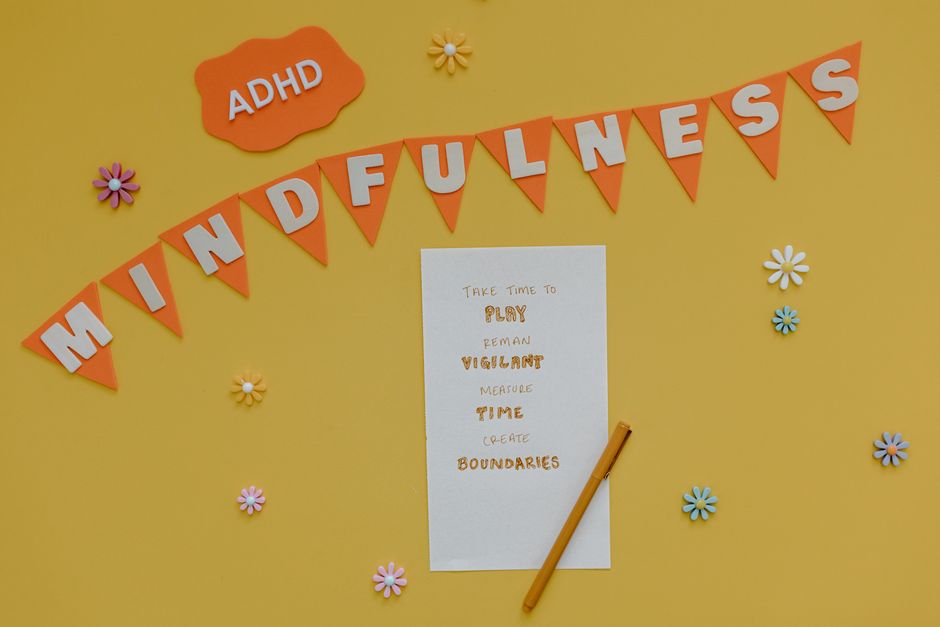
Mindfulness meditation also has growing evidence. A 2018 meta-analysis in Behavioral Brain Research found that mindfulness training improved attention and reduced hyperactivity in adults with ADHD. The effect was modest but real. The practice trains the brain to notice when attention wanders and bring it back. Over weeks and months, this skill improves.
It is honest to say that for moderate to severe ADHD, non-medication approaches alone often fall short. The brain’s chemistry is working against you, and willpower alone cannot fix a dopamine deficiency. That is not a personal failing. It is biology.
What Are the Most Common Myths About ADHD Treatment?
One persistent myth is that ADHD is caused by bad parenting or too much screen time. Research has shown that ADHD is primarily genetic. Twin studies estimate heritability at about 74%. Parenting style does not cause it, though good parenting can help manage it. Screen time can make symptoms worse in the moment, but it does not create the condition.
Another myth is that people outgrow ADHD. This is false for most people. The CDC reports that about two-thirds of children with ADHD continue to have symptoms as adults. Symptoms may change — hyperactivity often decreases, but inattention and impulsivity persist. Treatment needs to adapt over a lifetime, not end at age 18.
Some people believe that ADHD medication is addictive and should be avoided. Stimulant medications do have abuse potential, especially at high doses or when crushed and snorted. But when taken as prescribed under medical supervision, the risk is low. In fact, untreated ADHD increases the risk of substance abuse because people self-medicate with alcohol or illegal drugs. A study in the American Journal of Psychiatry found that treated ADHD had lower rates of substance use disorders than untreated ADHD.
How Do You Choose the Right Treatment Plan?
Start with a proper evaluation. A diagnosis requires more than an online quiz or a brief doctor visit. A thorough assessment includes interviews, rating scales from multiple sources, and sometimes cognitive testing. The evaluation should rule out other conditions like anxiety, depression, or sleep disorders that can mimic ADHD.
Work with a psychiatrist or a primary care doctor who has experience with ADHD. Not all doctors are equally comfortable prescribing stimulants or managing the nuances of dosing. Ask about their experience upfront. If they seem dismissive or want to prescribe without a full evaluation, get a second opinion.
Consider your lifestyle and values. If you need consistent focus for a demanding job, medication might be essential. If you have a flexible schedule and mild symptoms, behavioral strategies might be enough. Some people use medication only on workdays and skip it on weekends. Others take it every day. There is no right or wrong approach as long as it works for you.
Track your progress. Use a simple rating scale or journal to note how your symptoms change with different treatments. Bring this information to your doctor appointments. Treatment for ADHD is an ongoing process of fine-tuning, not a one-time fix.
Frequently Asked Questions
Can ADHD be treated without medication?
Yes, especially for mild cases, using behavioral therapy, organizational training, exercise, and mindfulness. For moderate to severe ADHD, medication is usually needed for adequate symptom control.
How long does it take for ADHD medication to work?
Stimulant medications start working within 30 to 60 minutes of taking them. Non-stimulant medications take several weeks to reach full effect.
Is ADHD treatment lifelong?
Most people with ADHD need some form of management throughout their lives. Symptoms often change with age, and treatment plans should be adjusted accordingly.
Does diet affect ADHD symptoms?
For a small number of people, eliminating artificial food dyes helps. For most, a balanced diet with consistent meals and adequate protein is more beneficial than any specific elimination diet.
