
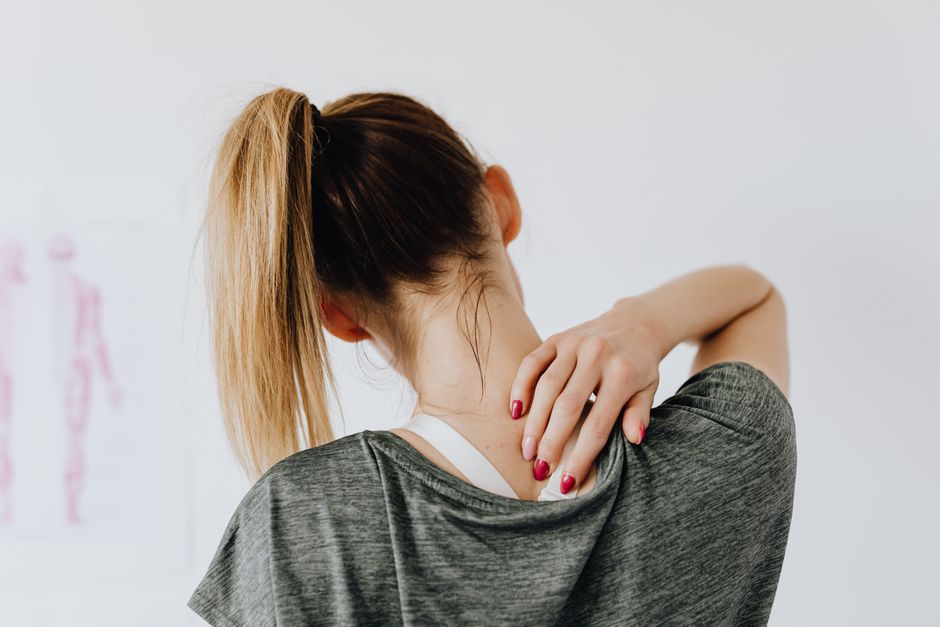
Body aches can make even simple tasks feel exhausting. To treat body aches, start by resting the affected muscles, drinking plenty of water, and taking an over-the-counter pain reliever like ibuprofen or acetaminophen. Apply a warm compress for stiffness or an ice pack for swelling. Gentle stretching can also help. If your aches come with a fever or last more than a few days, see a doctor.
What Causes Body Aches?
Body aches happen when muscles are inflamed, strained, or fighting an infection. Common causes include viral illnesses like the flu or COVID-19, intense exercise, poor sleep, stress, and chronic conditions such as fibromyalgia or arthritis. Dehydration and certain medications can also trigger muscle soreness. Understanding the cause helps you choose the right treatment.
Most acute body aches from a cold or overuse resolve on their own within a few days. Chronic aches that keep coming back may need a doctor’s evaluation to rule out underlying health issues.
Step 1 – Rest and Listen to Your Body
Rest is the first and most important step. When your muscles ache, they are signaling that they need time to repair. Stop any activity that made the pain worse. Take a break from exercise for a day or two. If the aches are from a viral infection, bed rest helps your immune system work.
Rest does not mean complete immobility. Light walking around the house can prevent stiffness. But avoid heavy lifting, running, or any movement that increases pain.
Step 2 – Stay Hydrated
Dehydration can cause or worsen muscle aches. Your muscles need water to function and flush out waste products like lactic acid. Drink water throughout the day, not just when you feel thirsty. Aim for small sips frequently.
If you have been sweating from a fever or exercise, consider an electrolyte drink. But plain water is usually enough. Avoid alcohol and too much caffeine, as they can dehydrate you further.



Step 3 – Use Over-the-Counter Pain Relievers Safely
Nonsteroidal anti-inflammatory drugs (NSAIDs) like ibuprofen (Advil, Motrin) and naproxen (Aleve) reduce inflammation and pain. Acetaminophen (Tylenol) also relieves pain but does not reduce inflammation. Choose based on your symptoms. For muscle soreness with swelling, an NSAID may work better. For general aches without swelling, acetaminophen is a good option.
Always follow the dosing instructions on the label. Do not take NSAIDs if you have stomach ulcers, kidney problems, or are allergic. Do not combine multiple pain relievers without a doctor’s guidance. Limit use to a few days unless your doctor advises otherwise.
Step 4 – Apply Heat or Cold Therapy
Heat therapy helps relax tight, stiff muscles. Use a warm bath, heating pad, or warm towel for 15–20 minutes. Heat increases blood flow and can ease muscle spasms. Cold therapy reduces inflammation and numbs sharp pain. Apply an ice pack wrapped in a cloth for 10–15 minutes. Do not put ice directly on skin.
For general soreness from overuse, start with ice if there is swelling. After 48 hours, switch to heat. For viral aches, a warm bath can be soothing. Avoid extreme temperatures on areas with poor circulation or numbness.
Step 5 – Gentle Stretching and Movement
Once the sharp pain subsides, gentle stretching can prevent stiffness and speed recovery. Hold each stretch for 15–30 seconds without bouncing. Focus on the muscles that feel sore. If stretching increases pain, stop and rest more.
Light activities like walking, yoga, or tai chi can improve circulation and reduce muscle tension. Do not push through pain. The goal is to move without making the ache worse.
How To Treat Body Aches Naturally
Some people prefer natural approaches. Epsom salt baths are a popular home remedy. The magnesium in Epsom salt may help relax muscles, but clinical evidence is limited. A warm bath itself can be beneficial regardless of what you add.
Massage therapy can reduce muscle tension and improve blood flow. Use gentle pressure on sore areas. Essential oils like peppermint or lavender, when diluted in a carrier oil, may provide temporary relief through their cooling or calming effects. No strong evidence supports any specific oil for body aches.
Sleep is a powerful natural treatment. During deep sleep, your body repairs muscle tissue. Aim for 7–9 hours per night when you are sore. Elevate your legs if the aches are in your lower body. Stay consistent with your sleep schedule.
When to See a Doctor
Most body aches improve within a few days. See a doctor if your aches last longer than one week without improvement. Also seek medical attention if you have a fever over 103°F (39.4°C), severe pain that limits movement, chest pain, difficulty breathing, or a rash. Aches after a tick bite or a medication change also warrant a call.
Chronic body aches that interfere with daily life should be evaluated. Conditions like fibromyalgia, chronic fatigue syndrome, or autoimmune diseases require a proper diagnosis. Your doctor can order tests and recommend treatments beyond self-care.
Frequently Asked Questions
How long do body aches last?
Body aches from a viral infection or overuse typically last 2 to 5 days. If they persist beyond a week or keep coming back, see a doctor.
Can I exercise with body aches?
Light movement like walking is fine if the ache is mild. Avoid intense exercise until the pain is gone, as it can delay healing or cause injury.
What is the best medicine for body aches?
Ibuprofen or naproxen work well if inflammation is present. Acetaminophen is a good choice if you cannot take NSAIDs or have no swelling. Always follow label directions.
Should I use heat or ice for body aches?
Use ice for the first 48 hours if there is swelling or sharp pain. Use heat after that for stiffness and tight muscles. For viral aches, a warm bath often feels best.
