

Food digestion time varies by the type of food and the individual, but a typical meal takes about 2 to 5 hours to leave the stomach and 24 to 72 hours to travel through the entire digestive tract. The process begins in the mouth and ends in the large intestine, where waste is prepared for elimination. This timeline is not a single event; it is a series of steps that move food through your system at different speeds.
What Is the Average Digestion Time for Different Foods?
Digestion is not a single process. It is a journey with several distinct stages. The time food spends in each stage depends heavily on what you ate. Carbohydrates, proteins, and fats all move at different rates.
Simple carbohydrates, like those in fruit juice, candy, or white bread, digest the fastest. They can leave the stomach in roughly 30 to 60 minutes. Complex carbohydrates, such as whole grains, beans, and vegetables, take longer because of their fiber content. They generally spend 2 to 3 hours in the stomach.
Protein takes more work to break down. A serving of chicken, fish, or eggs typically stays in the stomach for 3 to 4 hours. Red meat and other high-fat proteins can take 4 to 5 hours or longer. Fat slows everything down. High-fat meals delay gastric emptying, which is why a heavy, greasy meal makes you feel full for hours.
How Long Does Food Take to Leave the Stomach?
The stomach is the first major holding area. It churns food with acid and enzymes, turning it into a liquid mixture called chyme. The stomach releases this mixture into the small intestine slowly, in small amounts.
Gastric emptying time is the medical term for how long this takes. For a standard mixed meal containing protein, fat, and carbohydrates, the stomach empties in about 2 to 4 hours. Liquids pass through faster than solids. Water can leave the stomach in as little as 20 minutes. A high-fat meal can keep the stomach working for up to 5 hours.
Several factors affect this rate. Stress, illness, and some medications can slow gastric emptying. The physical state of the food matters too. Finely chewed or pureed food leaves the stomach faster than large chunks. This is why athletes often eat blended meals before competition.
What Happens in the Small Intestine?
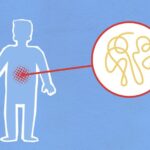
Once chyme enters the small intestine, the real work of nutrient absorption begins. The small intestine is roughly 20 feet long and lined with tiny finger-like projections called villi. These structures absorb sugars, amino acids, fatty acids, vitamins, and minerals into the bloodstream.
Food spends the most time here. Transit through the small intestine typically takes 3 to 5 hours. This is not a fast process. The intestinal walls contract in waves, pushing the chyme forward while digestive enzymes from the pancreas and bile from the liver finish breaking it down.
Most nutrient absorption happens in the first section, the duodenum and jejunum. By the time the remaining material reaches the ileum, the final section, most of the useful nutrients are gone. What remains is mostly water, fiber, and waste products.



How Long Does Food Stay in the Large Intestine?
The large intestine, or colon, is the final stop. Its main jobs are absorbing water and electrolytes, and forming solid stool. This is the slowest part of the entire journey.
Material can remain in the colon for 12 to 48 hours. In some people, it takes even longer. The colon is not a passive pipe. It moves waste along slowly, allowing time for water to be pulled back into the body. The longer waste sits in the colon, the harder and drier it becomes.
Fiber plays a major role here. Soluble fiber, found in oats, apples, and carrots, forms a gel that slows transit. Insoluble fiber, found in wheat bran and vegetables, adds bulk and speeds up movement. A diet high in insoluble fiber is associated with faster colon transit times.
Total Time: From First Bite to Elimination
Putting all the stages together, the complete digestive process takes about 24 to 72 hours. This is the total transit time from the moment food enters your mouth until the waste leaves your body. Most people fall somewhere in the middle of this range, around 30 to 40 hours.
This wide range is normal. Age, sex, genetics, and daily habits all influence transit time. Research consistently shows that women tend to have slower transit times than men. Younger people generally digest faster than older adults. Even your level of physical activity matters. Regular movement stimulates the intestines and speeds up transit.
Medical researchers measure this using a marker study. A person swallows a capsule containing small radiopaque rings, and X-rays track the rings as they move through the digestive tract. This method gives clinicians a clear picture of how long food takes to travel through a specific person’s system.
How Long for Digestion of Food: What Speeds It Up or Slows It Down?
Several lifestyle factors directly affect how long for digestion of food in your body. Understanding these can help you predict how your body will respond to different meals.
Things that speed up digestion include:
- Regular physical activity and walking after meals
- High-fiber foods like vegetables, fruits, and whole grains
- Adequate water intake
- Smaller, more frequent meals
Things that slow digestion down include:
- High-fat meals, especially fried foods
- Large portion sizes
- Lying down immediately after eating
- Stress and anxiety, which can disrupt gut motility
- Dehydration
Some medications also slow digestion. Opioid painkillers, certain antidepressants, and some blood pressure drugs are known to delay gastric emptying and colon transit. If you notice a sudden change in your digestion after starting a new medication, discuss it with your doctor.
When Digestion Time Becomes a Concern
Digestion that is consistently too fast or too slow can be a sign of an underlying issue. Rapid transit, where food moves through the system in under 12 hours, can lead to diarrhea and poor nutrient absorption. Slow transit, where waste stays in the colon for more than 72 hours, is a common cause of constipation.
Gastroparesis is a condition where the stomach empties too slowly. People with this condition feel full after eating only a small amount. They may experience nausea, vomiting, and abdominal pain. Diabetes is a leading cause, as high blood sugar can damage the vagus nerve that controls stomach muscles.
Irritable bowel syndrome (IBS) can cause both extremes. Some people with IBS experience rapid transit and diarrhea. Others have slow transit and constipation. The condition is common, affecting an estimated 10 to 15 percent of adults in the United States.
If you have persistent digestive symptoms, see a healthcare provider. Do not self-diagnose. A doctor can run tests like a gastric emptying study or colon transit study to measure your specific times and identify the cause.
Does Chewing Affect Digestion Time?
Chewing is the first and most controllable step in digestion. It breaks food into smaller pieces, increasing the surface area for digestive enzymes to work on. The more thoroughly you chew, the less work the stomach has to do.
Some research suggests that chewing each bite 30 to 40 times can reduce the time food spends in the stomach. This is because smaller particles empty into the small intestine faster than larger ones. The effect is modest, but it is real.
Chewing also signals the stomach and intestines to prepare for incoming food. The brain receives signals from the jaw muscles and sends instructions to release digestive juices. Eating slowly and chewing well is one of the simplest ways to support healthy digestion.
Frequently Asked Questions
How long does it take to digest food after eating?
Food takes about 2 to 5 hours to leave the stomach and 24 to 72 hours to pass through the entire digestive tract. The exact time depends on the type of food and your individual metabolism.
Which food takes the longest to digest?
High-fat foods and red meat take the longest to digest, often 4 to 5 hours in the stomach alone. Fried foods and heavy meals slow gastric emptying more than any other food type.
Does water speed up digestion?
Water helps move food through the digestive tract and prevents constipation, but it does not dramatically speed up stomach emptying. Staying hydrated supports the colon’s ability to move waste along.
Can stress change how long digestion takes?
Yes, stress can slow digestion by altering gut motility and reducing blood flow to the digestive organs. Chronic stress is linked to slower gastric emptying and increased digestive discomfort.
