
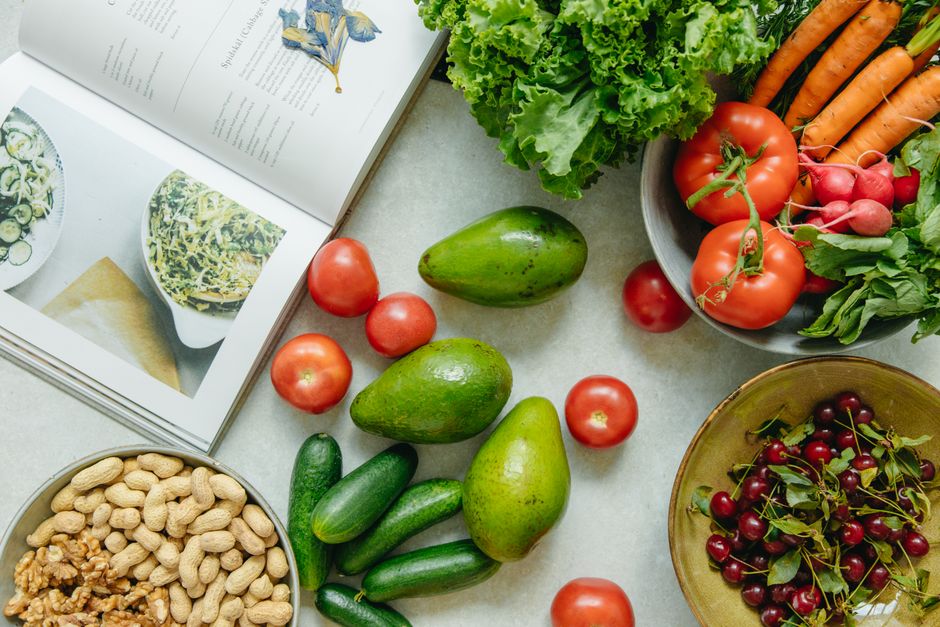
An avocado ripens when its own natural ethylene gas builds up inside the fruit and triggers enzymes that soften the flesh and convert starches to sugars. To speed this up, put the avocado in a paper bag at room temperature, close the top loosely, and leave it on the counter for a day or two. The bag traps the ethylene the fruit gives off, so ripening happens faster than it would on an open counter — though the fruit still needs time.
How Can You Ripen An Avocado Faster?
The paper bag trick works because of a simple plant hormone called ethylene. Fruits and vegetables produce it naturally, and in some fruits it acts as a ripening signal. Avocados are in that group. They are what plant scientists call climacteric fruit, meaning they continue ripening after harvest and respond to ethylene exposure.
When you seal an avocado in a paper bag, the gas collects around the fruit instead of drifting away into the kitchen air. Higher ethylene concentration means faster ripening. Paper works better than plastic for this because it lets a little moisture escape while still holding gas. Plastic traps water, which can lead to mold.
Adding a ripe banana or apple to the bag is a common trick. Both produce ethylene too, so they add to the buildup. This genuinely helps, though the effect is modest. You still need to check the avocado daily so it does not go from ripe to mushy.
One detail people miss: room temperature matters. Ripening moves slowly in a cold kitchen. A spot around 65 to 75 degrees Fahrenheit is a reasonable working range. Do not put an unripe avocado in the refrigerator — cold slows the ripening enzymes down and the fruit can sit unchanged for a week or more.
How Long Does It Take to Ripen an Avocado?
Most unripe avocados take somewhere between two and five days to ripen at room temperature. That range is wide because ripeness depends on how mature the fruit was when picked, how it was stored before you bought it, and how warm your kitchen is.
An avocado that is already slightly soft may be ready in a day. A hard, bright green one from a cold shipping crate can take the full week. The paper bag method tends to shorten the wait by a day or so, but it will not turn a rock-hard avocado into a ripe one overnight. No method does that.
Some produce is picked mature but unripe, meaning the fruit has already developed the starches and oils it needs. Those ripen well at home. Fruit picked too early may never soften properly, no matter what you do. If an avocado has been sitting for more than a week and still feels like a stone, it was likely harvested immature. That is not something you can fix.
How Do You Tell When an Avocado Is Ripe?
The most reliable test is gentle pressure. Cup the avocado in your palm and press lightly with your thumb. A ripe avocado gives slightly and feels like it will yield to firmer pressure. A hard one is not ready. One that dents easily or feels mushy is past its best.
Color is a weaker signal than most people think. Hass avocados darken from green to nearly black as they ripen, but some varieties stay green when ripe. Color alone can mislead you. Feel is more dependable.
The stem test is another practical check. If the small stem cap at the top comes off easily and you see green underneath, the fruit is likely ripe. If it resists, give it more time. If the flesh under the cap looks brown, the avocado is probably overripe.
One clarification worth knowing: an avocado does not ripen on the tree the way a peach or tomato does. It matures there but stays hard. Ripening begins only after it is picked. That is why the fruit you buy is always unripe or ripening, never tree-ripe in the way you might expect.





What Should You Avoid When Ripening an Avocado?
Cold is the biggest mistake. Refrigerating an unripe avocado stalls the ripening process and can leave you with a hard fruit that never softens well. Wait until it is ripe, then move it to the fridge if you want to hold it for a few extra days.
Sealing in plastic is another common error. A tightly closed plastic bag traps moisture along with ethylene, and that damp environment encourages mold and bacterial growth. Paper bags breathe. If you only have plastic, leave the bag partly open.
Do not stack heavy items on top of ripening avocados. Bruised fruit breaks down unevenly and browns faster. Keep them in a single layer or with plenty of space.
- Do not refrigerate before the fruit is ripe.
- Do not seal in airtight plastic for long periods.
- Do not skip daily checks — avocados can turn quickly.
- Do not expect a hard, immature avocado to soften no matter what you try.
Can You Ripen an Avocado in the Microwave or Oven?
You can soften an avocado quickly with heat, but what you get is not a ripe avocado. Microwaving or baking changes the texture and flavor rather than completing the natural ripening process. The starches do not convert to sugars the same way, and the flesh tends to turn rubbery or uneven.
A short burst in the microwave — around 10 to 15 seconds at a time — can make a firm avocado easier to mash for guacamole or toast. It will not taste like a properly ripened fruit. Some people find the result acceptable for cooking. Most find it disappointing eaten raw.
The oven method circulates online, usually wrapping the avocado in foil and warming it briefly. The same limits apply. Heat softens tissue but does not replicate ripening. Treat these as shortcuts for texture when you are in a hurry, not as real ripening.
What If You Need a Ripe Avocado Right Now?
If you cannot wait a day or two, your realistic options are limited. Buy a fruit that already gives slightly to pressure. Many stores sell avocados at different stages, so picking a softer one is the simplest fix.
You can also ask whether the store has ripe avocados in the back. Some markets hold ripened fruit separately from the hard green ones on display.
Frozen avocado chunks are another option for recipes where texture matters less — smoothies, sauces, or mashed dishes. They will not work for slicing onto a sandwich. For dishes where the avocado is blended or mashed, frozen is a reasonable substitute.
There is no reliable way to ripen a hard avocado in an hour. Anyone claiming otherwise is describing softening, not ripening. Knowing the difference saves you from a disappointing result.
How Should You Store a Ripe Avocado?
Once an avocado is ripe, the clock starts. Move it to the refrigerator to slow further softening. A ripe avocado typically holds for a few days in the fridge, depending on how ripe it was when you moved it.
If you have already cut it open, press plastic wrap directly against the exposed flesh and refrigerate. The browning you see on cut avocado is oxidation — a reaction with air — not spoilage. It is safe to eat, though it looks unappealing. A squeeze of lemon or lime juice slows the browning somewhat but does not stop it.
For longer storage, mashed avocado freezes reasonably well. Add a little lemon juice, pack it tightly to limit air contact, and use it within a few months for best quality. The texture changes after freezing, so plan to use it in cooking or blended dishes rather than slices.
Frequently Asked Questions
How can you ripen an avocado overnight?
You usually cannot fully ripen a hard avocado overnight, but a paper bag at room temperature can speed it up and a slightly soft one may be ready by morning. Check it with gentle pressure before using.
Does putting an avocado in a paper bag really work?
Yes, the bag traps the ethylene gas the fruit naturally releases, which speeds ripening. Paper is better than plastic because it lets moisture escape and reduces mold risk.
Why is my avocado not ripening?
It was likely picked before it fully matured, or it has been stored too cold. An avocado that stays rock-hard for more than a week is usually immature and will not soften properly.
Should you refrigerate avocados to ripen them?
No, cold slows ripening and can prevent the fruit from softening well. Keep unripe avocados at room temperature and refrigerate only after they are ripe.
