
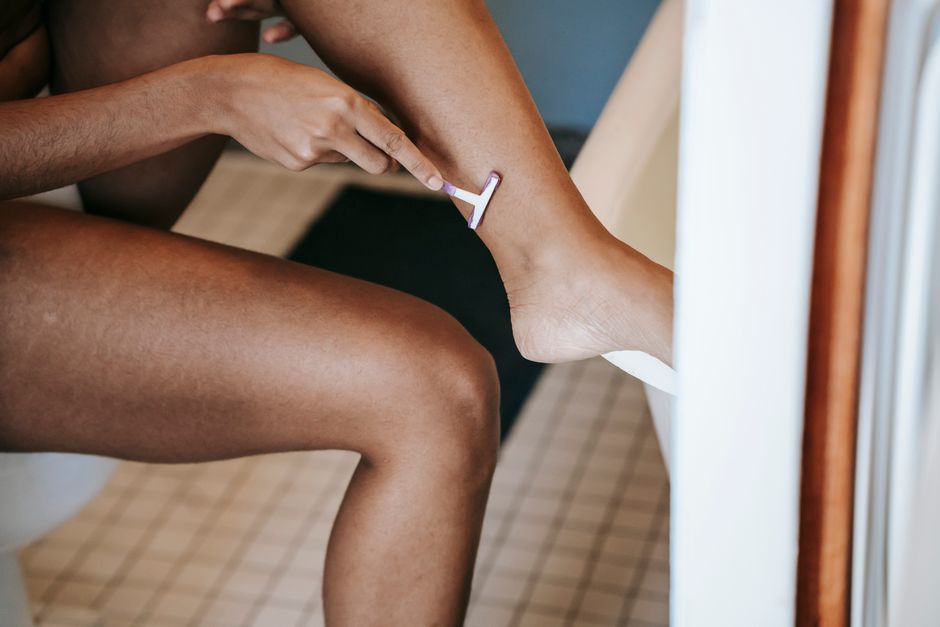
Razor bumps happen when shaved hairs curl back and grow into the skin, causing inflammation. You can prevent most razor bumps by changing how you prepare your skin before shaving, the direction you shave, and what you do after. The single most effective step is to shave in the direction the hair grows and to avoid pulling the skin tight. For people who get bumps regularly, switching to an electric razor or a single-blade razor often makes the biggest difference.
What Exactly Causes Razor Bumps?
Razor bumps are not the same as razor burn. Razor burn is surface irritation from the blade scraping the skin. Razor bumps are ingrown hairs. The medical name is pseudofolliculitis barbae.
When you shave, the razor cuts the hair at a sharp angle. That angled tip can easily pierce the skin as the hair tries to grow out. The body treats the hair like a foreign object and mounts an inflammatory response. You see red, tender bumps that may fill with pus.
People with naturally curly or coarse hair get razor bumps more often. The curl makes it easier for the hair to re-enter the skin. Men get them most commonly on the neck and jawline. Women get them on the legs, bikini line, and underarms.
How Can You Prevent Razor Bumps Before You Shave?
Preparation matters more than any single product you buy. The goal is to make the hair softer and the skin more pliable so the blade cuts cleanly.
Wash the area with warm water first. Warm water softens the hair shaft. Showering before you shave is ideal because the steam and water have already done this work for several minutes. If you cannot shower first, hold a warm wet towel on the area for two to three minutes.
Use a shaving cream or gel with good lubrication. The product needs to keep the blade gliding so it does not tug at the hair. Look for creams labeled for sensitive skin. Avoid heavily fragranced products that can irritate the skin before you even start.
Exfoliating before shaving can help. A gentle scrub removes dead skin cells that trap hairs underneath. But do not scrub hard. Over-exfoliating damages the skin barrier and makes irritation worse. Some dermatologists recommend a chemical exfoliant containing salicylic acid a day before shaving rather than a physical scrub on the same day.
What Shaving Technique Prevents Razor Bumps?
Your technique during the shave is where most people go wrong.
Shave in the direction of hair growth. This is the single most important rule. Shaving against the grain gives a closer shave but leaves the hair cut at a sharper angle, which increases the chance of it growing back into the skin. A slightly less close shave is a fair trade for fewer bumps.
Do not stretch the skin tight while shaving. When you pull the skin flat, the hair retracts below the surface. After you release the skin, the hair is already below the skin line and has nowhere to go but inward. Shave over relaxed skin with light pressure.
Use short strokes and rinse the blade after every pass. A clogged blade drags and pulls. Replace your razor blade frequently. Dull blades cause more passes over the same area, which increases irritation.
Single-blade razors cause fewer razor bumps than multi-blade razors. Multi-blade razors lift the hair out of the follicle before cutting it, which allows the hair to retract below the skin surface. A single-blade razor cuts the hair at skin level without lifting it. This is why many people with chronic razor bumps switch to a safety razor or a single-blade disposable.
Electric razors are another option. Foil and rotary razors do not cut as close as manual razors, but that is precisely why they cause fewer bumps. If you already get razor bumps regularly, an electric razor may solve the problem entirely.





What Should You Do After Shaving to Prevent Razor Bumps?
Post-shave care is short but important.
Rinse the area with cool water to close the pores and calm the skin. Pat the skin dry. Do not rub with a towel. Rubbing creates friction and can push freshly cut hairs in the wrong direction.
Apply a gentle, alcohol-free moisturizer or aftershave balm. Alcohol-based aftershaves sting and dry the skin, which makes the hair more likely to curl back. Look for products with aloe vera, witch hazel, or glycerin.
Do not apply heavy oils or thick creams immediately after shaving. They can clog the follicles and trap hairs. A light, non-comedogenic moisturizer is enough.
Some dermatologists recommend applying a product with salicylic acid or glycolic acid after shaving to keep the follicle opening clear. These are mild chemical exfoliants that prevent dead skin from blocking the hair as it grows. Start with a low concentration and use it every other day to see how your skin reacts.
What Is the Best Way to Treat Razor Bumps That Already Appeared?
If you already have bumps, do not shave over them. Give the area time to heal. Shaving over active bumps cuts them open and makes the inflammation worse.
Warm compresses can help. Apply a warm, damp cloth to the area for several minutes. This softens the skin and may help the trapped hair come to the surface.
If you can see the hair loop trapped under the skin, you can gently lift it with a sterile needle. Do not dig for the hair. If you cannot see it clearly, leave it alone. Digging causes scarring and infection.
Over-the-counter hydrocortisone cream can reduce redness and swelling. Use it for a few days only. Longer use thins the skin.
Products with benzoyl peroxide can help if the bumps become infected. Benzoyl peroxide kills bacteria and dries out the pustules. But it is drying, so use it sparingly and only on the affected bumps.
If the bumps persist for several weeks or keep coming back despite good technique, see a dermatologist. Prescription options include topical antibiotics, retinoids, and in some cases low-dose oral antibiotics. For severe, chronic cases, laser hair removal is the most effective long-term treatment because it reduces the hair itself.
Do Shaving Myths Cause Razor Bumps?
Several popular shaving beliefs are wrong and can make bumps worse.
Myth: Shaving against the grain gives the best shave. It gives the closest shave, but it is the main cause of razor bumps. Shave with the grain and accept a slightly less close result.
Myth: You should press harder for a closer shave. Pressure does not improve the shave. It increases irritation and cuts. Light pressure is always better.
Myth: Cold water before shaving tightens the skin and prevents cuts. Cold water makes the hair stand up and the skin tighten, which actually increases the chance of nicks. Warm water is better for both hair softening and skin prep.
Myth: Alcohol aftershave prevents infection. Alcohol kills bacteria, but it also strips the skin’s natural oils and causes dryness. Dry skin makes ingrown hairs more likely. A gentle moisturizer is more effective for preventing razor bumps.
Myth: More blades mean a better shave. More blades mean a closer shave, but also more irritation and more lifted hairs that retract below the skin. One blade is the best choice for bump-prone skin.
Are Some People More Prone to Razor Bumps?
Yes. Genetics plays a large role.
People with curly hair have a higher risk because the curved hair follicle naturally directs the hair back toward the skin. People with coarse hair have a higher risk because the thicker hair is more likely to pierce the skin. People with sensitive skin have a higher risk because their skin reacts more strongly to the inflammation.
Hormones also matter. Higher levels of androgens increase hair thickness and growth rate, which can make razor bumps worse. This is why teenage boys and young men often see the condition peak during puberty and young adulthood.
If you are prone to razor bumps, you may need to adjust your expectations. You may never get a perfectly smooth shave without irritation. Prioritizing skin health over closeness is the realistic approach.
When Should You See a Doctor for Razor Bumps?
Most razor bumps resolve on their own within a few days to two weeks if you stop shaving the area. See a doctor if the bumps do not improve after two weeks of not shaving, if they spread, or if they become increasingly painful.
Signs of infection include yellow or green discharge, increasing redness, warmth, or fever. These require medical attention. Do not try to treat a spreading infection at home.
Dark spots can remain after razor bumps heal. This is post-inflammatory hyperpigmentation, not a scar. It fades over several months. Sunscreen on the area speeds up the fading. True scarring is less common but can occur with repeated deep digging.
Frequently Asked Questions
Does shaving with the grain really prevent razor bumps?
Yes. Shaving with the grain cuts the hair at a less sharp angle, which reduces the chance of the hair growing back into the skin. It is the single most effective technique change for preventing razor bumps.
Are electric razors better for preventing razor bumps?
Electric razors cause fewer razor bumps because they do not cut the hair as close to the skin. A less close shave means the hair is less likely to retract below the skin surface and grow inward.
Can razor bumps be permanently removed?
No permanent topical cure exists, but laser hair removal permanently reduces hair growth, which eliminates razor bumps in the treated area. For most people, consistent good technique prevents bumps without needing laser treatment.
Does exfoliating help prevent razor bumps?
Gentle exfoliation helps by removing dead skin cells that can trap hairs under the surface. Exfoliate a day before shaving rather than immediately before, and avoid harsh scrubs that damage the skin.
