
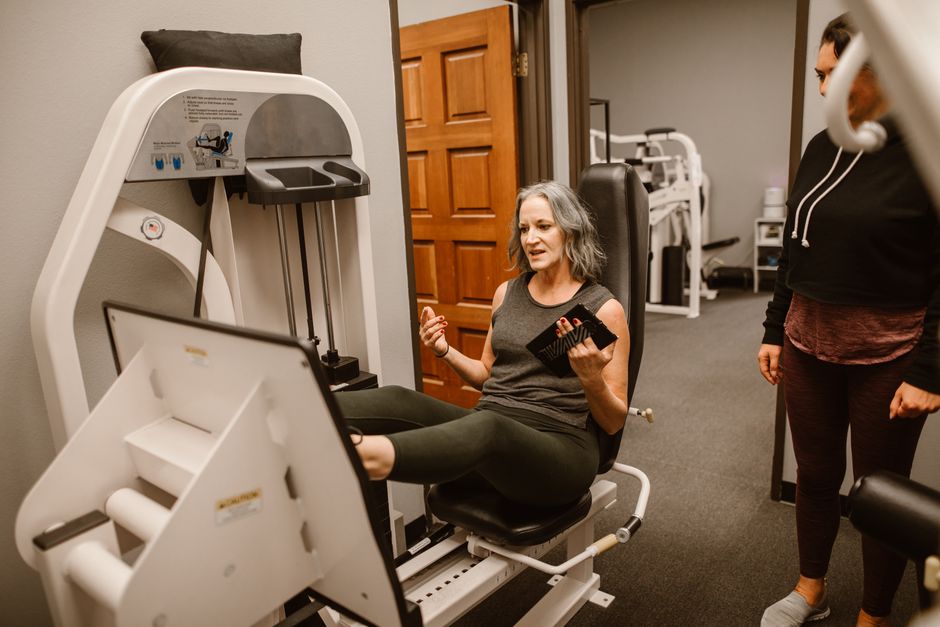
A quad cramp is a sudden, involuntary tightening of one or more of the four muscles on the front of your thigh. The fastest way to get rid of one is to stop the activity, gently stretch the muscle by bending your knee and pulling your heel toward your buttocks, and hold that stretch until the contraction releases. Preventing them comes down to training within your current capacity, staying hydrated, and replacing sodium lost through heavy sweating — not just drinking more plain water.
What Causes Quad Cramps?
Most exercise-associated muscle cramps are not caused by a single factor. They usually come from a combination of muscle fatigue and fluid or electrolyte loss, and the balance between those two shifts depending on the situation.
The leading explanation among researchers is that cramps happen when a muscle is worked beyond what it is conditioned to handle. The nervous system signals the muscle to contract, but the signal to relax doesn’t keep pace. The result is a sustained, painful contraction. This is why cramps tend to hit late in a workout, during the final miles of a run, or in the last set of a hard effort — not at the start.
Electrolytes matter too, but mainly in specific conditions. When you sweat heavily for a long time, you lose sodium along with water. If you replace the water but not the sodium, blood sodium can drop and cramping becomes more likely. This is more common in endurance events, hot weather, and people who are heavy or salty sweaters.
Other causes are less about exercise:
- Medications — diuretics, some blood pressure drugs, and statins are associated with muscle cramps in some people
- Medical conditions — poor circulation, nerve compression, thyroid problems, and kidney disease can all cause cramping
- Pregnancy — leg cramps are common in pregnancy, particularly in the second and third trimesters
- Age — muscle mass and nerve function change with age, and cramps become more frequent for many adults over 50
If cramps happen at rest, at night, or without any obvious trigger, that pattern points away from exercise-related causes and toward something a doctor should evaluate.
How Do You Stop A Quad Cramp Once It Starts?
Stop moving and stretch the muscle immediately. The goal is to override the contraction signal by lengthening the muscle.
To stretch a quad:
- Stand and hold onto something stable, or lie on your stomach
- Bend the affected knee and bring your heel toward your buttocks
- Hold the stretch. Do not bounce
- Keep holding until the muscle releases, which usually takes seconds to a minute or two
Gentle massage of the muscle can help it relax. Some people find that applying heat — a warm shower or heating pad — eases the tightness afterward, though the evidence for heat specifically is not strong. What is well established is that continued stretching and light movement help more than staying still.
After the cramp releases, the muscle may feel sore or tight for a day or two. That soreness is normal. Pushing back into hard effort right away tends to bring the cramp back.
If a cramp does not release, or if it comes with swelling, redness, weakness, or numbness, that is not a typical exercise cramp. Seek medical attention.
How To Get Rid Of Quad Cramps And Prevent Them: What Actually Works
Prevention rests on a few things that have decent evidence behind them and a few that are commonly recommended but not well supported.
Train within your limits. Muscle fatigue is the most consistent trigger. Gradually increasing training volume and intensity gives the muscle time to adapt. Sudden jumps in distance, speed, or load are a common setup for cramps.
Stay hydrated, but not with water alone. For everyday activity, water is fine. For long or sweaty sessions, replacing sodium matters. Sports drinks, salty foods, or electrolyte tablets address this. The amount you need depends on how much you sweat and how much sodium is in your sweat, which varies widely between people.
Warm up before hard efforts. A proper warm-up raises muscle temperature and prepares the nervous system. It does not guarantee you won’t cramp, but it reduces the chance of going from cold to all-out.
Address underlying causes. If you take a diuretic or statin and cramp often, that is worth discussing with your doctor. Do not stop a prescribed medication on your own.
Things that are commonly recommended but have weak evidence:
- Pickle juice — some small studies suggest it may shorten cramps, but the evidence is limited and the mechanism is debated
- Magnesium supplements — often suggested, but trials in healthy active adults have not consistently shown benefit
- Bananas for potassium — potassium loss during exercise is generally small, and bananas are not a meaningful sodium source
- Tonic water with quinine — quinine is not recommended for leg cramps due to safety concerns
This is worth saying plainly: a lot of cramp advice circulates without solid evidence. That does not mean it is harmful, but it means you should not count on it.
Do Electrolytes Really Prevent Quad Cramps?
Sometimes, but not always. The role of electrolytes in cramping is real but narrower than most marketing suggests.
Sodium is the main electrolyte lost in sweat. When losses are large — long duration, hot conditions, high sweat rate — replacing sodium along with fluid helps maintain blood sodium levels and reduces cramp risk. That is a well-supported position.
Potassium, magnesium, and calcium are also involved in muscle function, but the amounts lost in sweat are small relative to what your body stores. Deficiency in these minerals can cause cramping, but that is a different situation from exercise-related cramps in a well-nourished person.
If you are a heavy sweater, notice white streaks on your clothes after workouts, or cramp mainly in hot weather during long sessions, electrolyte replacement is more likely to help you. If you cramp during short, intense efforts in cool conditions, electrolytes are less likely to be the answer, and fatigue is the more likely driver.
When Should You See A Doctor About Quad Cramps?
Occasional cramps during or after hard exercise are common and usually not a sign of anything serious. Certain patterns warrant a medical evaluation.
See a doctor if:
- Cramps happen frequently at rest or at night
- They come with muscle weakness, numbness, or loss of muscle bulk
- They are severe enough to disrupt sleep or daily activity
- They started after beginning a new medication
- You have other symptoms like swelling, discoloration, or pain that does not go away
These signs can point to circulation problems, nerve issues, medication side effects, or metabolic conditions. A doctor can check blood work and review your medications. This is not something to self-diagnose or treat with supplements alone.
Does Stretching Prevent Quad Cramps?
Stretching helps relieve a cramp that is already happening. Whether it prevents cramps is less clear.
Regular stretching improves flexibility and may reduce muscle tightness, but studies have not consistently shown that stretching before exercise prevents cramps. The evidence for stretching as a prevention strategy is weak. It is still reasonable to include in a routine for general mobility, but it should not be your main prevention strategy.
What has more support is consistent training, adequate conditioning for the activity, and managing fluid and sodium losses. Those address the underlying triggers more directly than stretching does.
Can Diet Or Supplements Stop Quad Cramps?
No supplement has strong evidence for preventing exercise-related cramps in healthy adults. That includes magnesium, potassium, and most electrolyte blends sold for cramp prevention.
Magnesium is often recommended, and it does have a role in muscle function. But trials in active adults have generally not shown that supplementing reduces cramp frequency. Some evidence suggests magnesium may help pregnancy-related leg cramps, though results are mixed. This is not the same as saying it works for everyone.
Diet matters more in the sense of overall adequacy. Getting enough sodium, potassium, and magnesium from food supports normal muscle function. But loading up on any single mineral is unlikely to prevent cramps if fatigue is the real trigger.
If you take a medication that depletes electrolytes — some diuretics do — that is a conversation to have with your doctor, not something to manage with over-the-counter supplements on your own.
Frequently Asked Questions
How do you get rid of a quad cramp fast?
Stop the activity and stretch the muscle by bending your knee and pulling your heel toward your buttocks, holding until it releases. Gentle massage can help the muscle relax afterward.
What causes quad cramps during exercise?
Most exercise-related cramps come from muscle fatigue combined with fluid and sodium loss from sweating. Cramps that happen at rest or at night may have a different cause and are worth discussing with a doctor.
Do electrolytes prevent quad cramps?
They can help if you sweat heavily for a long time or in hot conditions, since sodium loss is a real trigger in those situations. For short or cool-weather workouts, fatigue is usually the bigger factor.
Should I take magnesium for quad cramps?
Evidence that magnesium prevents exercise-related cramps in healthy adults is weak, and trials have not consistently shown benefit. It may help some cases of pregnancy-related leg cramps, but results are mixed.
