
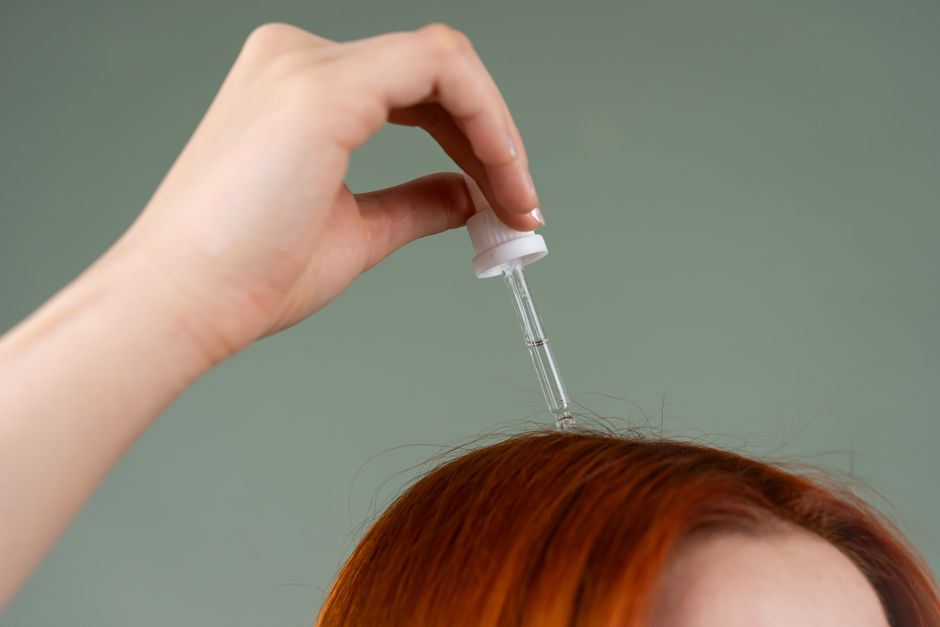
Scalp psoriasis is a chronic immune-mediated condition, which means there is no way to prevent it from existing in the first place. What you can do is reduce how often it flares and how severe those flares become. The most effective approach combines consistent treatment of the scalp itself, avoiding known triggers, and managing the stress and skin trauma that commonly set off new episodes.
What Actually Causes Scalp Psoriasis Flares?
Psoriasis is driven by an overactive immune response that speeds up the life cycle of skin cells. Normally, skin cells mature and shed over weeks. In psoriasis, that process compresses into days. Cells pile up on the surface before they can shed, producing the thick, silvery scales and raised patches that define the condition.
On the scalp, this shows up as well-defined plaques that often extend just past the hairline. Itching is common. So is bleeding when scales are picked or scratched. Many people describe the scalp as the hardest area to treat, partly because hair makes topical products harder to apply evenly.
A flare is not the same as the condition itself. The disease is always present in the background. A flare is a period when symptoms intensify. That distinction matters because it shapes what prevention actually means.
Several factors are well established as flare triggers:
- Stress — psychological stress is one of the most consistently reported triggers in psoriasis research
- Skin injury — scratching, picking, harsh brushing, or tight hairstyles can trigger new plaques in a process called the Koebner phenomenon
- Infections — particularly streptococcal infections, which are strongly linked to guttate psoriasis flares
- Cold, dry weather — low humidity dries the scalp and worsens scaling
- Certain medications — including lithium, some antimalarials, and beta-blockers
- Smoking and heavy alcohol use — both are associated with more severe psoriasis
The Koebner phenomenon deserves attention because it is often overlooked. It means that injuring your skin can create a new psoriasis patch in that exact spot. For scalp psoriasis, this makes scratching a genuine problem — not just a comfort issue. Every scratch risks extending the flare.
How To Prevent Scalp Psoriasis Flare Ups With Daily Scalp Care
Consistent scalp care is the foundation. The goal is to keep scale buildup under control and avoid anything that irritates the skin barrier.
Gentle removal of scales is the first step. Scales that stay on the scalp for too long can worsen itching and make topical treatments less effective, because medications cannot reach the skin beneath them.
What helps:
- Use medicated shampoos as directed by your doctor or dermatologist. Common active ingredients include coal tar, salicylic acid, and ketoconazole. Each works differently, and some clinicians recommend rotating them to reduce irritation and maintain response.
- Apply topical medications directly to the scalp, not just the hair. Part the hair in sections to reach the skin.
- Let medicated shampoos sit on the scalp for the time stated on the label before rinsing. Rinsing immediately reduces their effect.
- Use lukewarm water. Hot water strips oils and can worsen dryness and irritation.
- Pat the scalp dry with a towel. Do not rub aggressively.
What to avoid:
- Picking or scratching scales, even when they are loose
- Harsh shampoos, strong fragrances, and alcohol-based hair products
- Tight braids, ponytails, or hats that rub the scalp
- Sharing combs or brushes with others, which increases infection risk
If scale buildup is thick, some clinicians recommend applying a softening agent such as salicylic acid or a mineral oil preparation before washing. This is common practice, though individual responses vary.
Which Treatments Help Keep Scalp Psoriasis Under Control?
Treating the scalp consistently — even when it looks clear — is one of the most effective ways to reduce flare frequency. Psoriasis is a chronic condition, and stopping treatment when symptoms improve often leads to a rebound.
Treatment options generally fall into a few categories:
- Topical corticosteroids — reduce inflammation and slow cell turnover. They are the most commonly prescribed treatment for scalp psoriasis. Potency varies, and doctors typically choose based on severity and location.
- Vitamin D analog topicals — such as calcipotriene. These slow the rapid growth of skin cells. They are often combined with corticosteroids.
- Coal tar preparations — reduce scaling, itching, and inflammation. They have been used for decades and remain a standard option, though they can stain and have a strong odor.
- Salicylic acid — softens and removes scale. It is often used alongside other treatments rather than alone.
- Biologic medications — target specific parts of the immune system. They are used for moderate to severe psoriasis, including scalp involvement that has not responded to topicals.
- Systemic medications — such as methotrexate or cyclosporine. These affect the whole body and are reserved for more severe cases.
One practical point: many people stop treatment as soon as the scalp clears. That is often when the flare returns. Maintenance treatment — using medication less frequently but consistently — is commonly recommended to keep symptoms controlled. Ask your dermatologist what maintenance schedule fits your situation.
No single treatment works for everyone. What controls one person’s scalp psoriasis may do little for another. This is not a sign that treatment does not work — it means the condition varies, and finding the right combination often takes some adjustment.





Can Stress Management Reduce Scalp Psoriasis Flares?
Stress is one of the most frequently reported triggers for psoriasis flares, and the relationship appears to run in both directions. Stress can worsen psoriasis, and psoriasis itself causes stress. Breaking that cycle is genuinely useful.
The evidence for stress as a trigger is based largely on patient reports and observational research rather than controlled trials. That does not make it unimportant. It means the connection is well recognized clinically but harder to measure precisely.
What may help:
- Regular physical activity — even a daily walk
- Sleep hygiene — going to bed and waking at consistent times
- Mindfulness or relaxation practices
- Talking to a therapist or counselor, particularly if psoriasis affects mood or daily life
Some research suggests that psychological support and stress-reduction programs may improve psoriasis symptoms, though study results vary. The evidence is not strong enough to present stress management as a standalone treatment. It is best viewed as one part of a broader approach.
Does Diet or Weather Affect Scalp Psoriasis?
No specific diet has been proven to prevent or cure scalp psoriasis. That is the honest position. However, some dietary factors are associated with psoriasis severity, and a few may be worth discussing with your doctor.
What the evidence suggests:
- Alcohol — heavy drinking is associated with more severe psoriasis. Reducing intake may help.
- Smoking — strongly linked to psoriasis severity and reduced treatment response. Quitting is one of the most reliable steps you can take.
- Weight — obesity is associated with more severe psoriasis and poorer response to some treatments. Weight loss may improve symptoms in some people.
- Anti-inflammatory eating patterns — some studies suggest diets rich in fruits, vegetables, and omega-3 fatty acids may be associated with milder symptoms, but results are mixed and no specific diet is established as a treatment.
Weather matters more directly. Cold, dry air pulls moisture from the skin and worsens scaling. Indoor heating does the same. In winter, using a humidifier and moisturizing the scalp regularly can reduce dryness-related flares.
Sunlight, on the other hand, often improves psoriasis. Brief, controlled sun exposure may help. But sunburn can trigger flares through skin injury, so moderation matters. Some clinicians recommend short periods of sun exposure rather than long ones.
When Should You See a Doctor About Scalp Psoriasis?
See a doctor or dermatologist if your scalp psoriasis is not improving with over-the-counter treatments, if it is spreading, or if it is causing significant itching, pain, or hair loss.
Hair loss is a concern for many people with scalp psoriasis. It is usually temporary and related to scratching, picking, or the inflammation itself rather than the condition permanently damaging hair follicles. Treating the scalp often allows hair to regrow.
You should also seek medical care if you develop signs of infection — increasing redness, warmth, swelling, pus, or fever — or if you have joint pain or stiffness. Psoriasis is associated with psoriatic arthritis, which affects a significant proportion of people with the skin condition. Early treatment of joint symptoms matters.
Scalp psoriasis is not contagious. It cannot be spread to others. That is true regardless of how it looks or how much scale is present.
Frequently Asked Questions
Can scalp psoriasis be prevented entirely?
No. Scalp psoriasis is a chronic immune-mediated condition, so it cannot be prevented from developing. Treatment focuses on reducing flare frequency and severity.
What is the most common trigger for scalp psoriasis flares?
Stress and skin injury are among the most commonly reported triggers. Scratching the scalp can create new plaques through the Koebner phenomenon.
Does washing your hair more often help scalp psoriasis?
Washing more often can help remove scale and allow medicated products to reach the skin. However, harsh shampoos and hot water can worsen irritation, so gentle products and lukewarm water matter.
Can diet stop scalp psoriasis flares?
No specific diet has been proven to stop flares. Reducing alcohol and quitting smoking are the dietary and lifestyle changes most consistently linked to milder symptoms.
