
Chafing happens when skin rubs against skin or clothing, and the friction damages the outer layer of skin. Moisture from sweat makes the damage worse. You can prevent most chafing by reducing friction, keeping the area dry, and protecting the skin before activity. The right clothing, the right lubricants, and good skin care habits stop most chafing before it starts.
What Causes Chafing in the First Place?
Chafing is a friction injury. When your skin moves against another surface repeatedly, the rubbing strips away the top layer of skin cells. The skin becomes red, raw, and painful.
Three things make chafing worse: moisture, heat, and repetitive motion. Sweat adds moisture that softens the skin. Softened skin tears more easily than dry skin. Heat increases sweating. Repetitive motion — like running, walking, or cycling — keeps rubbing the same spot over and over.
Common chafing spots include the inner thighs, underarms, nipples, and groin. Anywhere skin folds or rubs against clothing is at risk.
How Can You Prevent Chafing?
The most effective strategy is to reduce friction at the source. That means choosing clothing that fits properly, keeping skin dry, and applying a barrier product before activity.
Start with clothing. Wear moisture-wicking fabrics like polyester or nylon instead of cotton. Cotton absorbs sweat and stays wet against your skin, which increases friction. Moisture-wicking fabrics pull sweat away from the skin and dry faster.
Fit matters too. Tight clothing can rub, but loose clothing can bunch up and create friction points. Look for flat seams or seamless designs in areas prone to chafing. For runners, compression shorts or longer shorts can protect the inner thighs. For cyclists, padded cycling shorts reduce friction in the saddle area.
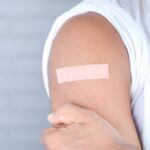
For nipples, especially during running, some athletes use specialized nipple patches or bandages to cover the area before exercise. This is a simple mechanical barrier that prevents direct rubbing.
Which Anti-Chafing Products Actually Work?
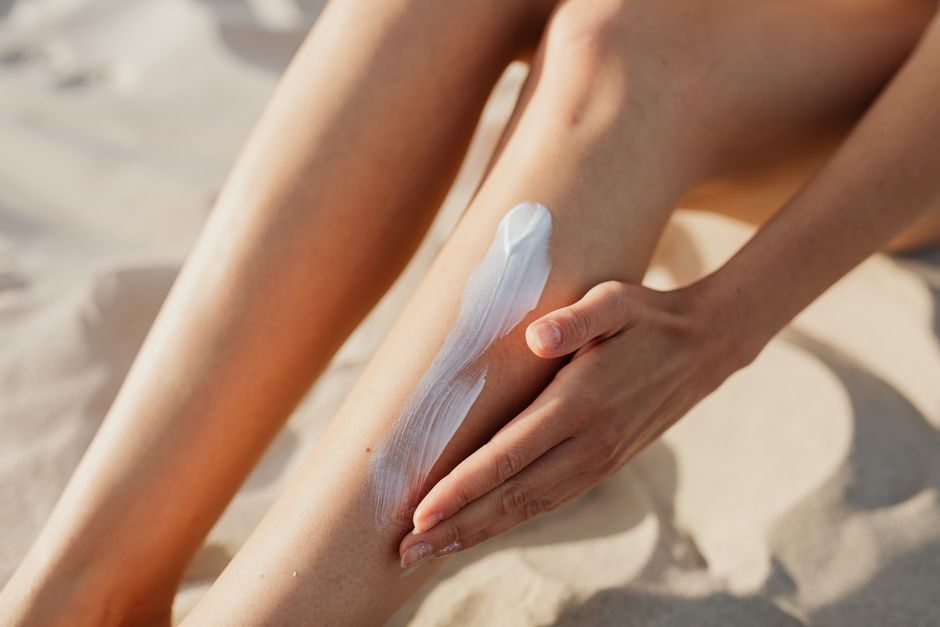
Anti-chafe balms and creams are the most direct answer to friction. These products create a slippery barrier between skin and clothing or skin and skin.
Look for products containing petrolatum, zinc oxide, or dimethicone. Petrolatum (the active ingredient in petroleum jelly) is one of the most effective and cheapest options. It creates a water-repellent barrier that lasts through sweat. Zinc oxide is another strong barrier ingredient, often used in diaper rash creams. Dimethicone is a silicone-based ingredient that creates a smooth, slippery surface.
Some products are specifically marketed as anti-chafe balms. These often combine waxes and oils to create a longer-lasting barrier than plain petroleum jelly. Many athletes prefer these because they are less greasy and last longer during long workouts.
Powders can help in some situations. Talc-free powders absorb moisture and reduce friction. However, powders wash away quickly with sweat. They work best for short activities or for keeping areas dry during the day, not for long endurance events.
One important note: do not use petroleum-based lubricants with latex condoms. Petroleum jelly weakens latex. If you are using a barrier method for contraception, choose a water-based or silicone-based lubricant instead.



What Role Does Hydration and Skin Care Play?
Well-hydrated skin is more elastic and resists damage better than dry, flaky skin. Regular moisturizing keeps the skin barrier healthy. Apply moisturizer daily, especially in the winter when skin tends to be drier.
But do not apply heavy moisturizer right before exercise. A thick cream right before activity can actually increase friction. Apply moisturizer after showering, well before your workout.
Hydration from the inside matters too. Dehydrated skin is less supple and more prone to damage. Drinking enough water during the day supports overall skin health, though it will not completely prevent chafing on its own.
Keeping skin clean is also important. Salt from dried sweat can increase friction and irritate already damaged skin. Showering after activity and gently washing chafe-prone areas helps remove salt residue. Pat the skin dry rather than rubbing it with a towel.
How Do You Treat Chafing Once It Happens?
If chafing does occur, stop the activity. Continuing to exercise on raw skin makes the damage worse and increases infection risk.
Clean the area gently with mild soap and water. Pat it dry. Apply a protective ointment like petroleum jelly or zinc oxide cream. This protects the raw skin from further rubbing and keeps it moist while it heals.
Keep the area covered with loose, breathable clothing until it heals. Most mild chafing heals within a few days. If the skin blisters, breaks open, or shows signs of infection — increased redness, warmth, swelling, or pus — see a healthcare provider. Infected chafing needs medical treatment.
Do not pop blisters from chafing. The fluid inside protects the healing skin beneath. If a blister breaks on its own, clean it gently and cover it with a sterile bandage.
Does Body Weight or Fitness Level Affect Chafing?
Anyone can get chafing, regardless of body size or fitness level. The mechanics of friction apply to everyone. However, certain factors increase risk.
People with larger thighs may experience more thigh chafing because skin-to-skin contact is more likely. People who are new to exercise may chafe more because their clothing choices and movement patterns are not yet optimized. Experienced athletes still chafe — many have learned which products and clothing work for their specific bodies.
Heat and humidity increase chafing risk for everyone. In hot weather, you sweat more, and that moisture increases friction. In cold weather, chafing still happens, especially from layers of clothing rubbing together.
Body hair can also play a role. Some athletes find that shaving certain areas reduces chafing because there is less hair to catch and pull. Others find that hair provides a protective layer. This is highly individual — experiment to find what works for you.
When Should You See a Doctor About Chafing?
Most chafing is a minor nuisance that resolves on its own with proper care. But some situations need medical attention.
See a healthcare provider if the chafed area shows signs of infection. These signs include spreading redness, warmth, swelling, pus, or red streaks extending from the area. Fever with chafing is also a reason to seek care.
People with diabetes or conditions that impair blood flow or immune function should be more cautious. Skin injuries heal more slowly in these populations, and infection risk is higher. If you have diabetes and develop chafing, monitor it closely and see a provider if it does not improve within a few days.
Recurrent chafing in the same spot despite good prevention measures may indicate a skin condition that needs evaluation. Sometimes what looks like chafing is actually a fungal rash, contact dermatitis, or another skin condition. A healthcare provider can distinguish between these.
What About Chafing in Sensitive Areas?
Chafing in the groin, under the breasts, and in skin folds needs special attention. These areas are warm, moist, and prone to both friction and fungal infections.
For the groin area, wear moisture-wicking underwear and avoid tight synthetic fabrics that trap heat. Change out of sweaty underwear promptly after exercise. Some people find that boxer briefs or compression shorts reduce thigh chafing better than traditional boxers.
Under the breasts, a properly fitted sports bra is essential. The bra should not ride up or shift during movement. Look for bras with soft, wide bands and minimal seams in high-friction areas. Anti-chafe balm applied under the breast band can help.
For skin folds, keeping the area clean and dry is the priority. After showering, dry skin folds thoroughly. Some people use a hair dryer on a cool setting to ensure complete dryness. Absorbent powders can help during the day, but they need reapplication after sweating.
Frequently Asked Questions
What is the fastest way to prevent chafing?
Apply a friction-reducing balm or petroleum jelly to chafe-prone areas before activity. This creates an immediate slippery barrier that stops the rubbing before it damages skin.
Does deodorant help with chafing?
Some people use solid deodorant or antiperspirant on chafe-prone areas like the inner thighs. The solid formula reduces friction and antiperspirant reduces sweat, but dedicated anti-chafe balms generally last longer during exercise.
Can you run with chafing?
You should stop running once chafing develops. Continuing to run on raw skin deepens the injury and increases infection risk. Wait until the area heals before resuming activity.
Does baby powder prevent chafing?
Powders absorb moisture and can reduce friction for short periods. However, they wash away quickly with sweat and are less reliable than balms or creams for extended exercise.
