
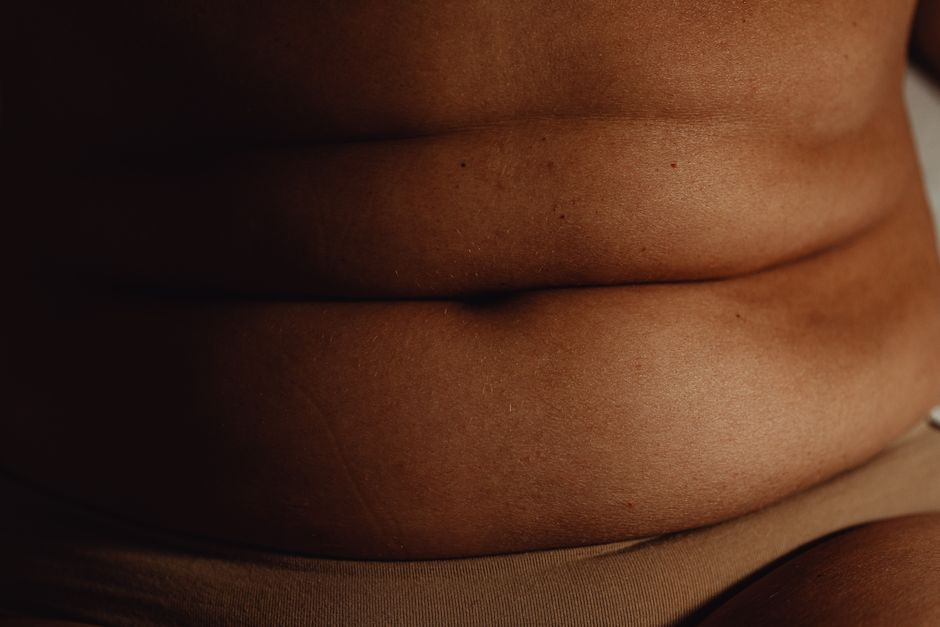
Belly fat is stubborn, and the internet is full of quick fixes that do not work. Losing it comes down to a simple fact: you cannot target fat loss from one specific area of your body. The only real way to lose tummy fat is to lose overall body fat through a consistent calorie deficit, and that takes time. Spot reduction is a myth, and no pill, tea, or ab gadget will change that.
What Actually Causes Belly Fat to Build Up?
Belly fat is not all the same. The fat you can pinch under your skin is called subcutaneous fat. The deeper fat wrapped around your organs is visceral fat, and it is the more dangerous kind. The CDC reports that excess visceral fat is linked to higher risks of heart disease, type 2 diabetes, and certain cancers.
Several factors drive belly fat accumulation. A diet high in added sugars and refined carbohydrates is a major one. When you eat more calories than your body needs, especially from sugary drinks and processed foods, your body stores the excess as fat, often around the midsection. Chronic stress raises cortisol levels, which research published in the journal Obesity has linked to increased abdominal fat storage. Poor sleep and genetics also play a role. You cannot change your genes, but you can change your habits.
How Can You Lose Tummy Fat Through Diet?
Diet is the most powerful tool for losing belly fat. No exercise routine can outwork a poor diet. The goal is to create a calorie deficit, meaning you eat fewer calories than your body burns. But what you eat matters just as much as how much you eat.
Focus on whole, unprocessed foods. Vegetables, lean proteins like chicken and fish, whole grains, and healthy fats from sources like avocados and nuts keep you full and provide nutrients. Cut back on added sugars. The American Heart Association recommends women limit added sugar to 6 teaspoons per day and men to 9 teaspoons. One can of soda can contain 8 teaspoons alone. Swap sugary drinks for water or unsweetened tea. Increasing fiber intake, especially soluble fiber from oats, apples, and beans, helps reduce belly fat according to a study in the journal Nutrition Reviews. Protein is also key. Higher protein intake boosts metabolism and reduces appetite, making it easier to stick to a calorie deficit.
Avoid crash diets. They lead to muscle loss and a slower metabolism, and the weight often comes back quickly. Sustainable changes matter more than rapid weight loss.
What Exercise Actually Reduces Belly Fat?
Exercise helps, but not in the way most people think. Doing hundreds of crunches will strengthen your abdominal muscles, but it will not burn the fat on top of them. You cannot spot-reduce. The fat comes off your whole body, and where it comes off first is determined by your genetics.
The most effective exercise for reducing belly fat is a combination of aerobic exercise and resistance training. A study from Medicine & Science in Sports & Exercise found that people who did both aerobic exercise and weight training lost more belly fat than those who did only one type. Aim for at least 150 minutes of moderate-intensity cardio per week, like brisk walking, jogging, or cycling. Add two to three days of strength training. Building muscle increases your resting metabolism, helping you burn more calories throughout the day.
High-intensity interval training, or HIIT, can also be effective. Short bursts of intense effort followed by rest periods burn a lot of calories in less time. Some studies suggest HIIT is particularly good at reducing visceral fat. Find an exercise you enjoy and can do consistently. That consistency is what produces results.




Do Belly Fat Burning Supplements Work?
No supplement has been proven to burn belly fat specifically. The supplement industry is loosely regulated, and many products make bold claims without solid evidence. As of 2026, there is no clinical evidence that any pill, powder, or tea can target abdominal fat.
Some ingredients like caffeine and green tea extract may slightly increase metabolism, but the effect is small and not enough to cause significant fat loss on their own. Garcinia cambogia, raspberry ketones, and conjugated linoleic acid are widely claimed to burn fat, but strong evidence is limited. Most studies show no meaningful difference compared to placebo. You are better off spending your money on quality food and a gym membership.
Be wary of products marketed as “detox” or “cleanse” teas. They often contain laxatives that cause water loss, not fat loss. The weight you lose is temporary and can be dangerous if used long-term. Real fat loss takes time and effort. There is no shortcut.
How Does Sleep and Stress Affect Belly Fat?
Sleep and stress are often overlooked, but they directly impact belly fat. When you do not get enough sleep, your body produces more ghrelin, the hunger hormone, and less leptin, the hormone that signals fullness. You end up feeling hungrier and craving high-calorie foods. A study in the Journal of the American College of Cardiology found that people who slept less than five hours per night had more visceral fat than those who slept seven hours or more.
Chronic stress keeps cortisol levels elevated. Cortisol encourages fat storage in the abdominal area. It also increases appetite and cravings for sugary, fatty foods. Managing stress is not just about feeling better. It directly affects your waistline. Practices like walking, meditation, or simply taking time to unwind each day can help lower cortisol. Prioritizing seven to nine hours of quality sleep per night is one of the most effective things you can do for weight loss.
What Common Misconceptions Should You Ignore?
Several myths about belly fat keep people from making real progress. The idea that you can lose belly fat in a week is false. Healthy fat loss is about one to two pounds per week, and you cannot control where it comes from. Anyone promising rapid belly fat loss is selling something.
Waist trainers and ab belts do not reduce fat. They might temporarily compress your midsection or make you sweat more, but they do not burn fat. The weight loss from sweating is just water, and it returns as soon as you rehydrate. Another common myth is that eating late at night causes belly fat. Total calorie intake matters more than timing. Eating a large meal late can lead to excess calories, but a small, healthy snack before bed will not cause fat gain.
Low-carb and keto diets can help some people lose belly fat because they reduce appetite and calorie intake. But they are not magic. Any diet that puts you in a calorie deficit will work. The best diet is the one you can stick with long-term.
| Approach | Effectiveness | Evidence Level |
|---|---|---|
| Calorie deficit diet | High | Strong – multiple clinical trials |
| Aerobic exercise | Moderate to High | Strong – reduces overall body fat |
| Strength training | Moderate | Moderate – increases metabolism |
| HIIT workouts | Moderate | Moderate – effective for visceral fat |
| Ab exercises alone | Low | Strong evidence shows no spot reduction |
| Fat burner supplements | None | No clinical evidence for targeted fat loss |
| Waist trainers | None | No evidence of fat loss |
How Long Does It Take to See Results?
Results vary widely depending on your starting point, diet, exercise routine, and genetics. Most people can expect to notice changes in four to eight weeks if they consistently maintain a calorie deficit and exercise regularly. Visible changes in belly fat often take longer because the midsection is a common last place for fat to leave.
Do not rely on the scale alone. Measure your waist circumference with a tape measure. A decrease of one to two inches over a few months is a realistic and healthy goal. The National Institutes of Health considers a waist measurement over 40 inches for men and 35 inches for women as a sign of excess abdominal fat. Progress is not always linear. Some weeks you will see changes, other weeks you will not. Consistency over months and years is what matters.
Frequently Asked Questions
Can you lose belly fat by doing crunches?
No. Crunches strengthen your abdominal muscles but do not burn the fat covering them. You need to lose overall body fat through diet and exercise.
What foods burn belly fat?
No food burns belly fat directly. A diet rich in protein, fiber, and whole foods supports a calorie deficit, which leads to fat loss everywhere.
How much belly fat can you lose in a month?
Safe fat loss is one to two pounds per week. You might lose one to two inches from your waist in a month with consistent effort, but results vary.
Does drinking water help reduce belly fat?
Water itself does not burn fat, but replacing sugary drinks with water reduces calorie intake and supports overall weight loss.
