
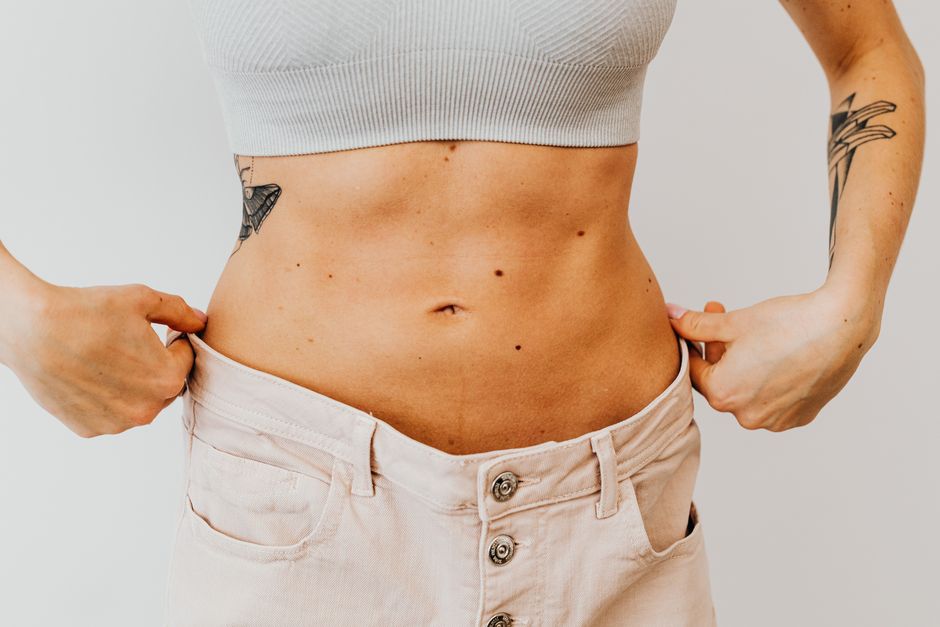
Lower belly fat is often the last place your body loses fat, and no exercise targets it specifically. The exercises that work are the ones that burn overall body fat and strengthen your core muscles underneath. Spot reduction is a myth, so the real strategy combines full-body movement with targeted core work.
Why Lower Belly Fat Is So Stubborn
Your body decides where to store fat based on genetics, hormones, and age. For many people, especially women, the lower belly is a common storage site. This fat is often a mix of subcutaneous fat, which sits just under the skin, and visceral fat, which wraps around your organs deeper inside.
Visceral fat is more metabolically active and responds well to exercise. Subcutaneous fat in the lower belly is more resistant to being mobilized. This is why you might see changes in your face, arms, or chest before you notice any difference in your lower abdomen.
Hormones also play a role. Cortisol, the stress hormone, can promote fat storage in the abdominal area when levels stay elevated. Sleep quality and stress management matter more for belly fat than many people realize.
How To Lose Lower Belly Fat Exercises That Work: The Core Principle
Exercises that work for lower belly fat are those that create a calorie deficit while building muscle. You cannot out-exercise a diet that puts you in a calorie surplus. The most effective approach combines resistance training, cardiovascular exercise, and core stabilization work.
Resistance training builds lean muscle, which raises your resting metabolic rate. Cardio burns calories directly. Core exercises strengthen the muscles that improve posture and make your midsection appear tighter, even before the fat layer shrinks.
The key is consistency over intensity. A moderate routine done five days a week beats an intense routine done once a week.
Compound Exercises That Burn the Most Fat
Compound movements use multiple muscle groups at once. They demand more energy and burn more calories per minute than isolation exercises. These should form the backbone of any fat-loss program.
Squats engage your legs, glutes, and core. Deadlifts work your posterior chain and require constant core bracing. Push-ups and pull-ups build upper body strength while your core stabilizes your torso.
Lunges, kettlebell swings, and overhead presses also qualify. Each of these exercises forces your abdominal muscles to work as stabilizers, which builds functional strength. The calorie burn from these movements is substantially higher than from isolated ab exercises.
Aim for three to four sessions of compound resistance training per week. Focus on proper form over heavy weight. Progressive overload, gradually increasing weight or repetitions, is what drives continued progress.




Cardio That Actually Reduces Belly Fat
Steady-state cardio like brisk walking, jogging, or cycling burns calories and improves heart health. High-intensity interval training (HIIT) alternates short bursts of intense effort with recovery periods. Both have a place in a fat-loss plan.
HIIT is time-efficient and creates a significant calorie burn in a short period. It also produces an effect called excess post-exercise oxygen consumption, meaning you continue burning calories after the workout ends. Some studies suggest HIIT may be particularly effective for reducing visceral fat.
Steady-state cardio is easier to recover from and can be done more frequently. Walking is underrated. A daily 30-minute walk adds up over a week and is sustainable for most people.
Choose the form you will stick with. The best cardio is the cardio you actually do.
Core Exercises That Strengthen the Lower Abdomen
Core exercises do not burn belly fat directly, but they build the muscle layer beneath it. Stronger abdominal muscles improve posture, which can make your stomach appear flatter. They also improve performance in compound lifts.
Planks are a foundational exercise. They train your entire core, including the deep transverse abdominis muscle that acts like a corset. Hold a proper plank with your body in a straight line from head to heels.
Dead bugs are excellent for lower core control. You lie on your back, extend opposite arm and leg, and return slowly. This movement teaches your core to resist extension, which is exactly what it does during daily activities.
Leg raises target the lower abdominal region. Lie flat, keep your legs straight, and raise them to ninety degrees before lowering slowly. Avoid arching your lower back off the floor. If this is too hard, bend your knees.
Bird dogs train core stability while on all fours. Extend one arm and the opposite leg, hold, and switch sides. This builds balance and coordination through your midsection.
Perform these exercises two to three times per week. Quality matters more than quantity. Ten controlled repetitions with perfect form beat thirty sloppy ones.
What About Spot Reduction and Ab Exercises?
Spot reduction is the idea that exercising a specific body part burns fat in that area. Research consistently shows this is false. Doing hundreds of crunches will strengthen your abdominal muscles, but it will not remove the fat layer covering them.
Fat loss happens systemically. Your body draws from fat stores throughout your body based on genetics and hormonal signals, not based on which muscles you just worked. You cannot choose where you lose fat.
This does not mean ab exercises are useless. They build muscle, improve posture, and contribute to overall strength. They just do not directly reduce belly fat. The visible six-pack only appears when body fat percentage drops low enough to reveal the muscle underneath.
For most people, especially women, that level of leanness is difficult to maintain and may not be healthy long-term. A flat, strong midsection is a realistic goal. Visible abs at all times is not necessary for health.
How Diet Determines Your Results
Exercise creates the demand for energy, but diet controls the supply. A calorie deficit is required for fat loss. No exercise routine overcomes a consistent calorie surplus.
Protein is important during fat loss. It preserves muscle mass, keeps you full, and has a higher thermic effect than carbohydrates or fats. Aim for a source of protein at each meal.
Fiber-rich vegetables and whole grains add volume to meals without excess calories. They also support digestive health. Ultra-processed foods and sugary drinks are the easiest calories to cut because they provide little satiety for their calorie load.
Alcohol is a common hidden source of calories. It also lowers inhibitions around food choices. Reducing or eliminating alcohol often produces noticeable changes in belly fat.
Hydration matters. Drinking water before meals can help with portion control. Sometimes thirst is mistaken for hunger.
Lifestyle Factors That Affect Belly Fat Storage
Sleep is a major factor. Short sleep duration is associated with higher levels of the hunger hormone ghrelin and lower levels of the fullness hormone leptin. This combination drives overeating. Poor sleep also raises cortisol, which promotes abdominal fat storage.
Stress management is equally important. Chronic stress keeps cortisol elevated, which signals your body to hold onto fat in the midsection. This is an evolutionary response that becomes harmful in modern life.
Simple practices like walking outdoors, deep breathing, or taking short breaks from screens can lower stress levels. These are not substitutes for exercise, but they complement it.
Consistency across all these areas produces results. Exercise alone, diet alone, or sleep alone rarely solves the problem. They work together.
Sample Weekly Routine for Lower Belly Fat Loss
This sample routine balances resistance training, cardio, and core work. Adjust it to your fitness level.
- Monday: Full-body resistance training plus 10 minutes of core work
- Tuesday: 30 minutes of steady-state cardio, like brisk walking or cycling
- Wednesday: Full-body resistance training plus 10 minutes of core work
- Thursday: 20 minutes of HIIT, like sprint intervals or cycling bursts
- Friday: Full-body resistance training plus 10 minutes of core work
- Saturday: Active recovery, like a long walk or light yoga
- Sunday: Rest
Each resistance session should include compound lifts like squats, deadlifts, or presses. Core work should rotate between planks, dead bugs, leg raises, and bird dogs.
This routine is a starting point. The exact exercises matter less than the pattern of regular movement combined with a calorie-controlled diet.
How Long Until You See Results?
Visible changes in lower belly fat typically take eight to twelve weeks of consistent effort. This timeline assumes a moderate calorie deficit and regular exercise. Genetics and starting body composition influence individual results.
Early changes are often internal before they are visible. You may notice clothes fitting better or improved posture before you see a difference in the mirror. These are real signs of progress.
Weighing yourself daily is counterproductive because water weight fluctuates. Weekly measurements, waist circumference, and how clothes fit are more reliable indicators.
If you are not seeing changes after a month, the calorie deficit is likely too small or too inconsistent. Many people underestimate their food intake. Tracking meals for a week can reveal where extra calories are creeping in.
Frequently Asked Questions
Can I lose lower belly fat with ab exercises alone?
No. Ab exercises strengthen muscles but do not burn the fat covering them. You need overall fat loss through diet and full-body exercise.
What is the best exercise to lose lower belly fat?
No single exercise targets lower belly fat. Compound movements like squats and deadlifts, combined with cardio and a calorie deficit, are the most effective approach.
How often should I do core exercises?
Two to three times per week is enough for core strength. Your core also works during compound lifts, so daily ab work is unnecessary.
Why is my lower belly fat not going away?
You may not be in a consistent calorie deficit, or your stress and sleep may be undermining your efforts. Hormones and genetics also influence where fat is stored last.
