
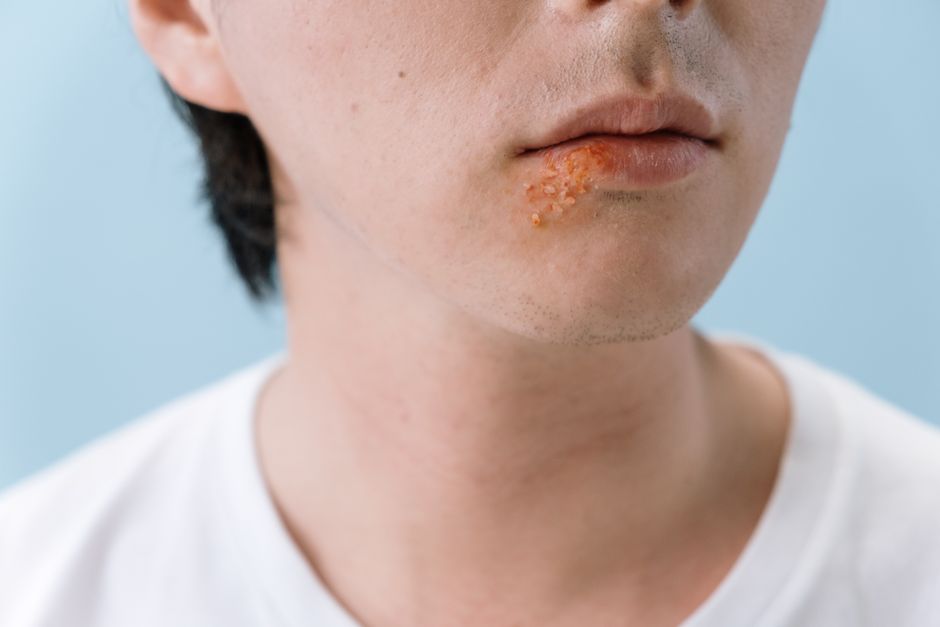
You get a fungal skin infection when fungi that normally live on or near your skin grow out of control, or when a new fungus gets into your skin through a break, a warm moist area, or close contact with someone or something that carries it. Fungi are not invaders that only live in dirty places — many of them are already on your body. The infection starts when conditions let them multiply faster than your skin can keep them in check. Warmth, moisture, and a break in the skin’s barrier are the three biggest factors that make this possible.
How Do You Get A Fungal Infection On Your Skin?
Most skin fungal infections come from one of three sources: fungi already living on your skin, fungi picked up from another person or animal, or fungi from the environment that settle into skin that is warm and damp.
The skin is covered in a mix of organisms — bacteria, yeasts, and fungi — that normally coexist without causing problems. This is called the skin microbiome. Problems start when the balance shifts. A fungus that was harmless in small numbers can overgrow when the skin stays moist, when the immune system is weakened, or when the normal bacteria on the skin are disrupted.
Other infections come from outside. You can pick up a fungus through direct skin-to-skin contact with an infected person or animal. You can also pick one up from a surface — a locker room floor, a shared towel, a wrestling mat — where flakes of infected skin have landed. The fungus does not need to be alive on that surface for long, but some species survive there better than others.
The third common route is through a break in the skin. A small cut, a scrape, or even cracked dry skin gives fungi a way past the outer barrier. This is why infections often start between the toes, in the groin, or under the breasts — places where skin folds, rubs, and stays moist.
Which Fungi Cause Skin Infections?
Three broad groups cause most skin fungal infections in people.
- Dermatophytes — fungi that feed on keratin, the protein in skin, hair, and nails. These cause ringworm, athlete’s foot, and jock itch. They are the most common cause of contagious skin fungal infections.
- Yeasts — especially Candida species. These normally live on the skin and in the mouth and gut. They overgrow when the skin stays moist or the immune system is weakened, causing infections in skin folds.
- Malassezia — a yeast that lives on almost everyone’s scalp and upper body. It can trigger conditions like dandruff and a rash called tinea versicolor when it overgrows.
Knowing the group matters less than knowing the conditions that let any of them take hold. The same basic factors — moisture, warmth, and skin damage — apply across all three.
Why Does Moisture Matter So Much?
Fungi grow best in warm, damp environments. Your skin is already warm. When it stays wet, the outer layer softens and becomes easier for fungi to penetrate. Sweat trapped under clothing or inside shoes creates exactly the conditions these organisms need.
This is why certain body areas get infected far more often than others. The spaces between your toes, the groin, the armpits, and skin folds under the breasts or belly all trap moisture and heat. Occlusive clothing — tight shoes, synthetic fabrics, non-breathing athletic gear — makes it worse by holding sweat against the skin.
Walking barefoot in a shared shower or locker room increases exposure. The floors are often wet, and people with athlete’s foot shed fungal cells onto them. This does not mean everyone who walks there gets infected. It means the odds go up when skin is damp and the barrier is compromised.





Who Is More Likely To Get A Skin Fungal Infection?
Anyone can get a fungal skin infection, but some factors clearly raise the risk.
- Living in a hot, humid climate
- Sweating heavily or wearing tight, non-breathing clothing
- Having diabetes, especially with poorly controlled blood sugar
- Having a weakened immune system from illness or medication
- Taking antibiotics, which can disrupt the skin’s normal bacterial balance
- Sharing towels, clothing, or sports equipment with someone who is infected
- Having close contact with an infected pet or person
- Having skin that is often damp or damaged from friction
Diabetes deserves special mention. High blood sugar does not directly feed skin fungi the way it feeds some bacteria, but it does affect circulation and immune function. People with diabetes tend to get more frequent and more stubborn fungal infections, particularly on the feet.
Antibiotics are another underappreciated factor. They kill off normal bacteria that help keep fungi in check on the skin and in other body sites. This is one reason yeast infections can appear after a course of antibiotics.
Is Fungal Skin Infection Contagious?
Some are, and some are not. This distinction matters because it changes what you need to do.
Dermatophyte infections — ringworm, athlete’s foot, jock itch — are contagious. They spread through direct contact with infected skin, contaminated surfaces, or shared items. You can get them from another person, an animal, or even soil in some cases.
Yeast overgrowth, like Candida in skin folds, is usually not passed from person to person in the same way. It comes from your own body’s yeast getting out of balance. Malassezia-related conditions like tinea versicolor are also not considered contagious between people.
This is a common source of confusion. Someone with a yeast infection in a skin fold may worry about spreading it to family members. In most cases, that is not how it works. Someone with ringworm, on the other hand, should take steps to avoid sharing towels, clothing, or bedding until the infection clears.
What Does A Fungal Skin Infection Look Like?
Appearance varies by the type and location, but a few patterns are common.
Ringworm typically appears as a red, scaly patch with a clearer center and a raised, defined border — hence the name, though there is no actual worm. Athlete’s foot often starts between the toes with itching, peeling, or cracking, and can spread to the sole. Jock itch shows up as an itchy, red rash in the groin that usually spares the scrotum. Yeast infections in skin folds tend to be red, raw, and sometimes have a white film or small satellite spots nearby.
None of these appearances are unique to fungi. Eczema, psoriasis, contact dermatitis, and bacterial infections can all look similar. This is why a visual guess is not reliable. A clinician may scrape a small sample of skin and examine it under a microscope or send it for culture to confirm the cause.
How Are Fungal Skin Infections Treated?
Many mild fungal skin infections respond to topical antifungal creams or powders available over the counter. These include products containing clotrimazole, miconazole, or terbinafine. For infections that cover a large area, involve the scalp or nails, or do not improve with topical treatment, a clinician may prescribe oral antifungal medication.
Treatment duration matters. People often stop applying cream as soon as the rash fades, but the fungus may still be present. Follow the instructions on the product or from your clinician about how long to continue. Stopping early is a common reason infections come back.
Some situations need medical care rather than self-treatment. See a clinician if the rash is spreading quickly, is very painful, shows signs of bacterial infection like pus or increasing redness, or does not improve after a reasonable course of over-the-counter treatment. People with diabetes or a weakened immune system should be evaluated sooner rather than later, because infections can become more serious in these groups.
How Can You Lower Your Risk?
Prevention focuses on the same factors that cause most infections: moisture, warmth, and skin damage.
- Keep skin dry, especially in folds and between the toes
- Change out of damp clothing and socks promptly
- Wear loose, breathable fabrics when possible
- Wear shower shoes in shared locker rooms and public showers
- Do not share towels, clothing, or sports gear
- Wash and dry feet thoroughly, including between the toes
- Manage blood sugar if you have diabetes
- Avoid walking barefoot in areas where others may have shed infected skin
None of these steps guarantee you will never get a fungal infection. Fungi are common, and exposure is part of daily life. What they do is reduce the number of opportunities for a fungus to take hold and multiply.
Does Diet Or Gut Health Play A Role?
This is an area where marketing often outruns the evidence. Some products claim that cutting sugar or taking probiotics will prevent or cure skin fungal infections. The evidence for this is limited.
There is a plausible biological link. High blood sugar in diabetes is associated with more frequent infections, including fungal ones. But for people without diabetes, no strong clinical evidence shows that changing diet prevents or treats skin fungal infections. Probiotics have been studied more for gut and vaginal health than for skin fungal infections, and results are mixed.
If you have diabetes, managing blood sugar is a legitimate part of reducing infection risk. If you do not, diet changes are unlikely to be the answer to a skin fungus. Topical or oral antifungal treatment remains the standard approach supported by clinical evidence.
Frequently Asked Questions
Can you get a fungal skin infection without touching anyone?
Yes. Some fungi already live on your skin, and they can overgrow when conditions like warmth and moisture allow it. You can also pick up fungi from surfaces like locker room floors or shared towels.
Is a fungal skin infection always contagious?
No. Dermatophyte infections like ringworm and athlete’s foot are contagious, but yeast overgrowth in skin folds usually comes from your own body’s yeast and is not passed to others.
How long does it take for a fungal skin infection to go away?
It depends on the type, location, and treatment. Mild infections often improve within a few weeks of consistent antifungal treatment, but some take longer and nail infections can take months.
Can fungal skin infections come back after treatment?
Yes, reinfection is common, especially if the original conditions like moisture and heat are not addressed. Completing the full course of treatment and keeping skin dry can lower the chance of recurrence.
