
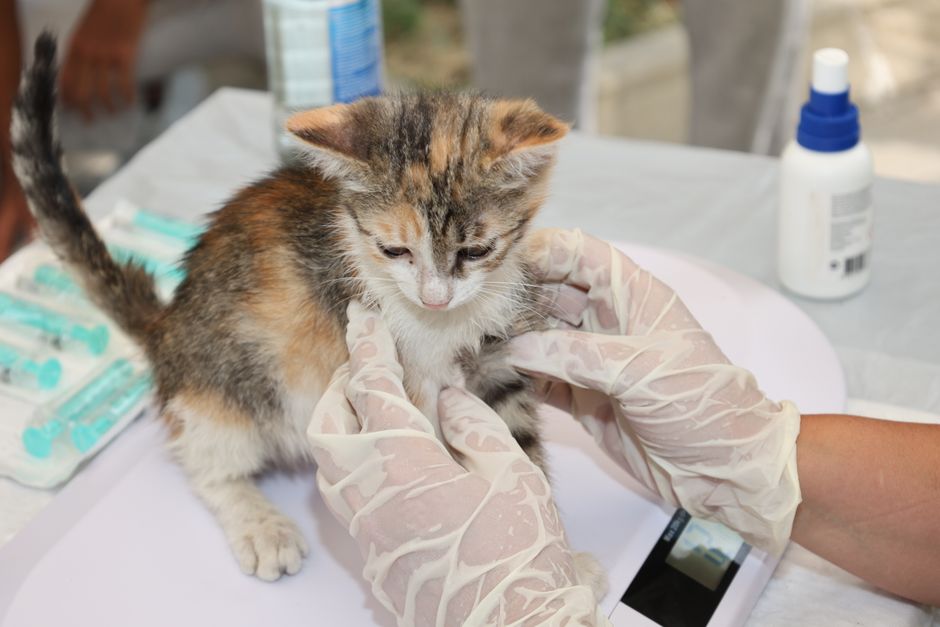
A kitten with a swollen, crusty, or goopy eye needs to see a veterinarian. That is the honest answer, and it is the same one you will get from any veterinarian. Home care can keep the eye clean and comfortable while you wait for that appointment, but it cannot cure an eye infection on its own. Some causes of kitten eye problems are mild. Others can permanently damage vision within days. Because you cannot tell the difference just by looking, professional care is the safe path.
Why Are Kitten Eye Infections So Common?
Kittens are born with their eyes closed. They open at around 10 to 14 days of age, and the tear ducts and immune defenses in and around the eye are still developing. That leaves them vulnerable in ways adult cats are not.
Two things drive most kitten eye problems. The first is infection, often from viruses or bacteria. The second is something physical, like a foreign object, an injury, or an anatomical problem with the eyelid or tear drainage. Sometimes both are happening at once.
Upper respiratory infections are a major culprit. In kittens, the viruses that cause “cat colds” frequently affect the eyes too. Feline herpesvirus and feline calicivirus are common, and both can produce eye discharge and inflammation. Bacteria such as Chlamydia felis and Mycoplasma species can also infect the eye and surrounding tissues.
Kittens from shelters, catteries, or crowded environments tend to have higher rates of these infections. Stress and a developing immune system make it harder for them to fight off what an adult cat might shrug off.
What Does a Kitten Eye Infection Look Like?
The signs vary with the cause, but certain patterns show up often. Watch for discharge that ranges from clear and watery to thick yellow or green. The eye may look red, cloudy, or partly closed. The kitten may squint, paw at the eye, or keep it shut.
Swelling around the eyelids is common. Sometimes the tissue around the eye puffs up enough that the eye is hard to see. A kitten may also sneeze, have a runny nose, or act less playful than usual if a respiratory infection is involved.
One sign deserves special attention: a bulging eye, or an eye that looks different from the other one in size or position. That can point to a problem behind the eye and needs urgent care. So does a kitten that suddenly stops eating or becomes lethargic.
You cannot reliably tell a viral infection from a bacterial one, or an infection from an injury, just by appearance. That is a key reason home treatment alone is risky.
Can You Treat a Kitten Eye Infection at Home?
You can support a kitten at home. You cannot cure an eye infection at home. This is the distinction that matters most.
What home care can do is keep the eye clean, reduce irritation, and prevent discharge from crusting over the lids. That helps the kitten feel better and makes the veterinarian’s exam easier. It does not address the underlying cause, and it will not tell you whether the problem is getting better or worse beneath the surface.
Here is what careful home support looks like:
- Gently wipe away discharge with a clean, soft cloth or cotton pad moistened with warm water. Wipe from the inner corner outward, away from the eye.
- Use a fresh cloth or pad for each eye so you do not spread infection from one eye to the other.
- Keep the kitten warm, calm, and well fed. Good nutrition and rest support the immune system.
- Keep the kitten away from other cats until a veterinarian has seen it, since some causes are contagious.
- Wash your hands before and after handling the kitten or its eyes.
Do not use human eye drops, antibiotic ointments, or leftover medications from another pet. Some products meant for people can irritate or harm a kitten’s eye, and the wrong antibiotic will not treat the actual cause. Never use a product containing a steroid unless a veterinarian specifically prescribed it for this kitten — steroids can make certain infections worse.
Do not try to force an eyelid open if it is stuck shut with crust. Soften the crust with a warm, damp cloth first, and let a veterinarian handle anything that does not come away easily.





What Will a Veterinarian Do?
A veterinarian will start by looking at the eye and asking about the kitten’s history — where it came from, how long the problem has been going on, and whether other cats are affected. They will check both eyes, not just the one that looks bad.
The exam often includes a fluorescein stain. A drop of dye is placed on the eye, and under a special light it reveals scratches or ulcers on the surface of the cornea. This matters because a corneal ulcer changes treatment. Some medications that are fine for a simple infection can slow healing or cause harm if an ulcer is present.
Depending on what the veterinarian finds, they may also check tear production, examine the eyelids and lashes, or take a sample of discharge for testing. In some cases they will look for underlying respiratory infection.
Treatment depends entirely on the cause. Bacterial infections are typically treated with antibiotic eye drops or ointment made for cats. Viral infections do not respond to antibiotics, so treatment focuses on supporting the kitten and managing symptoms, sometimes with antiviral medication. If a physical problem like an injured eyelid or a blocked tear duct is involved, that may need a different approach, occasionally a procedure.
Follow the veterinarian’s instructions exactly, including how long to continue treatment. Stopping early because the eye looks better can allow the infection to return.
Why Waiting Can Be Dangerous
Kitten eyes are small and delicate, and problems can move fast. A minor infection can, in some cases, progress to a corneal ulcer or deeper damage. Untreated or mistreated eye problems are a recognized cause of vision loss and, in severe cases, loss of the eye itself.
There is also a specific concern in very young kittens. Infection or severe inflammation during the first weeks of life can affect how the eye develops. That is one reason prompt care matters more in a kitten than in an adult cat.
The timeline is not something you can judge at home. An eye that looks slightly better in the morning can look much worse by evening. When in doubt, call your veterinarian. Many clinics will advise you over the phone about how urgently your kitten needs to be seen.
How Can You Prevent Eye Problems in Kittens?
Prevention is mostly about reducing exposure and keeping the kitten healthy. If you have other cats, keep a new kitten separated until a veterinarian confirms it is healthy. Many eye infections in kittens are tied to contagious respiratory viruses, which spread easily between cats.
Keep up with veterinary visits and recommended vaccinations. Vaccines do not cover every possible cause of eye infection, but they reduce the risk and severity of several major viral diseases. A well-nourished, well-rested kitten fights off infection better than one that is stressed or underfed.
Check your kitten’s eyes daily, especially in the first few months. Catching a problem early usually means simpler treatment and a better outcome.
If you notice discharge, redness, squinting, or swelling, treat it as a reason to call your veterinarian — not as something to watch for a few days. Early action is the single most reliable thing you can do.
Frequently Asked Questions
Can I treat a kitten eye infection at home without a vet?
No. Home care can keep the eye clean and comfortable, but it cannot cure an infection or identify its cause. A veterinarian needs to examine the eye to choose the right treatment.
What can I use to clean my kitten’s eye at home?
Warm water on a clean, soft cloth or cotton pad is the safest option for wiping away discharge. Avoid human eye drops and leftover pet medications unless a veterinarian prescribed them for this kitten.
How long does a kitten eye infection take to clear up?
It depends on the cause and how quickly treatment starts, so there is no single timeline. Your veterinarian can give you a realistic expectation once they have examined the eye.
Is a kitten eye infection contagious to other cats?
Many of the infections that cause eye problems in kittens, especially respiratory viruses, spread easily between cats. Keep the kitten separated from other cats until a veterinarian has seen it.
